Puntarenas Photography Field Guide
Field notes on central Pacific access, Nicoya transfers, marine work, surf, rainforest and Osa production logistics.Puntarenas: Coast, Rainforest and Access
Puntarenas is too large and varied to treat as one photographic environment. The central Pacific, Nicoya Peninsula, Monteverde access routes and the Osa Peninsula each behave differently in weather, roads, light and production logistics.
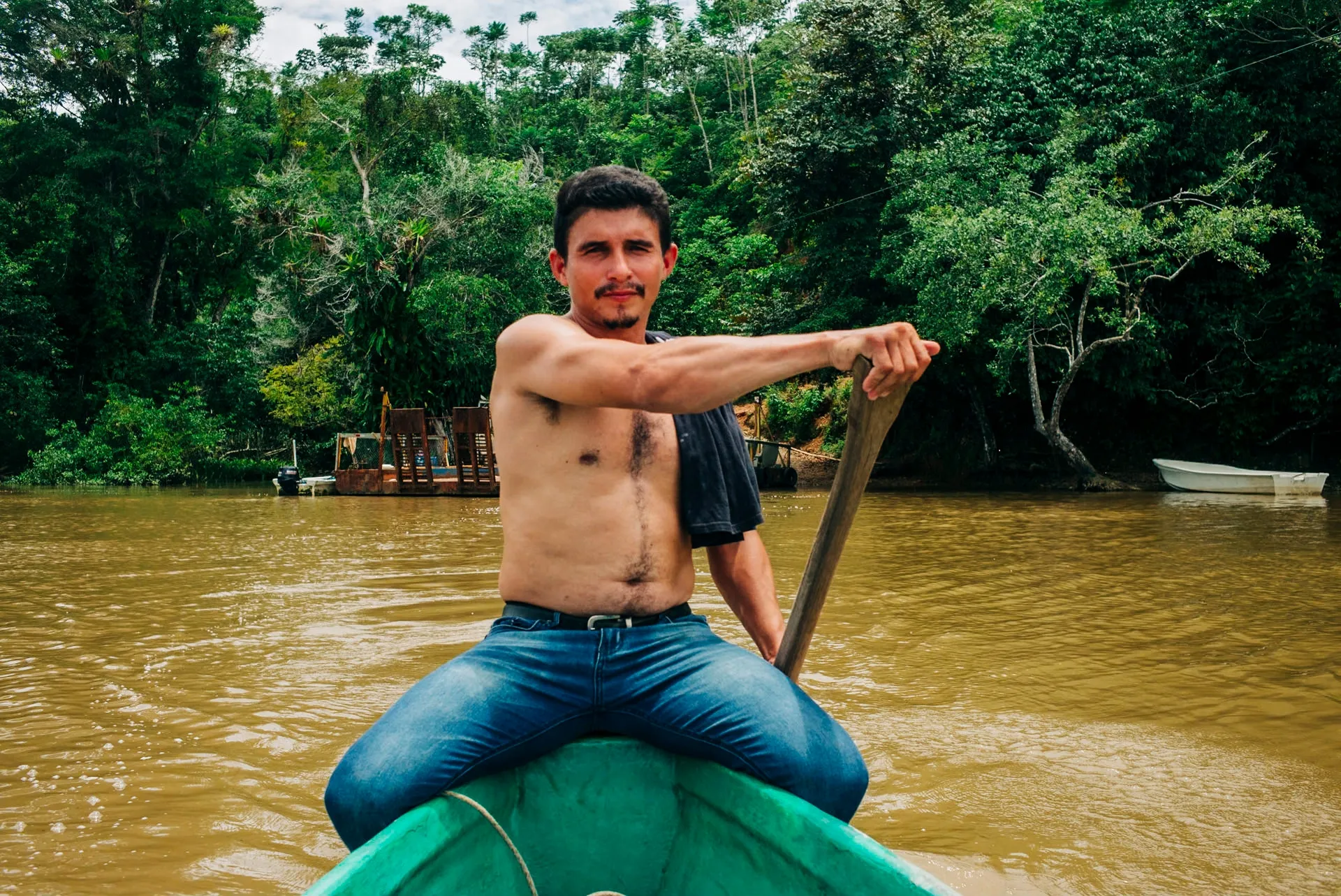
On the Nicoya Peninsula, assignments often involve long transfers, small communities and stories that are more documentary than destination-driven. I have photographed multigenerational families, agriculture and daily life in this part of the country. The work benefits from time: arriving early, understanding access and staying long enough for the place to become more than a backdrop.
Montezuma and the southern Nicoya coast combine steep roads, jungle, waterfalls and small beach communities. For editorial work, the main challenge is not finding attractive scenery but managing travel time, heat and humidity without losing the useful light.
Central Pacific Coast
Jacó is one of the easiest Pacific locations to reach from San José, which makes it practical for short commercial, surf and hospitality assignments. It is more developed than the southern coast, but that can be an advantage when a production needs crew support, accommodation and fast access without adding another travel day.
Quepos and Manuel Antonio combine wildlife, beaches, tourism and hospitality in a very compact area. The challenge is crowd management. For assignments around the national park or popular viewpoints, early timing, permits and realistic expectations about visitor traffic matter more than simply choosing the most famous location.
Los Sueños and the marina corridor are useful for hospitality, architecture and sport-fishing assignments. I have photographed in this environment, where access, marina operations and guest privacy need to be coordinated before production.
Uvita and Marino Ballena are stronger for marine, conservation and aerial work than for generic beach coverage. I have spent many days photographing whales in this area. Marine assignments depend on season, sea state, boat access and wildlife behavior, so the schedule has to stay flexible rather than treating sightings as guaranteed.
Dominical works well for surf, travel and environmental stories, but the coast becomes wetter and more tropical as you move south. Rain, river crossings, humidity and road conditions have a bigger effect on production than they do around Jacó.
The Osa Peninsula is a different level of production entirely. Corcovado and the surrounding rainforest are remote, humid and physically demanding, and access can involve boats, domestic flights, four-wheel drive or long walks. The photographic potential is exceptional, but only if the schedule respects the environment and the distance required to work there properly.
I have spent extended periods in Osa documenting wildlife for conservation organizations and editorial clients. The region is one of the few places where all four Costa Rican monkey species can be encountered, but wildlife work is never a checklist: weather, distance, animal behavior and protected-area rules determine what is possible on any given day.
Puerto Jiménez is one of the practical gateways for Osa work and is useful in its own right for documentary stories about tourism, conservation and the region’s changing economy. It is also where logistics become visible: fuel, transport, boats, guides and local contacts all matter more here than on a resort assignment.
Within southern Puntarenas, places such as Matapalo, Ojochal, Pavones and Golfito each require a different production approach. I choose them according to the story, access and subject rather than treating them as interchangeable location names.
Tortuga Island and Punta Leona are useful when the assignment specifically needs island, boat or coastal access. Here again, departure times, sea conditions and permission to work on private or protected areas shape the day more than the destination label.
Cocos Island National Park sits far offshore and belongs in a completely different logistical category. Expedition work there requires specialized planning, marine transport and conservation permissions. It is not a casual extension of a mainland assignment, and I treat it as a separate production from the start.
Puntarenas Photography Gallery


Let's Work on your Project
If you are planning an editorial, documentary, wildlife, hospitality or commercial assignment in Puntarenas, send the locations, dates, intended use and production needs. I can advise on access, travel time, boats, weather, protected areas and how much time the region realistically requires.