Guanacaste Photography Field Guide
Field notes on seasonal light, heat, coastal logistics, dry forest and production across northwestern Costa Rica.Guanacaste: Dry Forest, Coast and Production
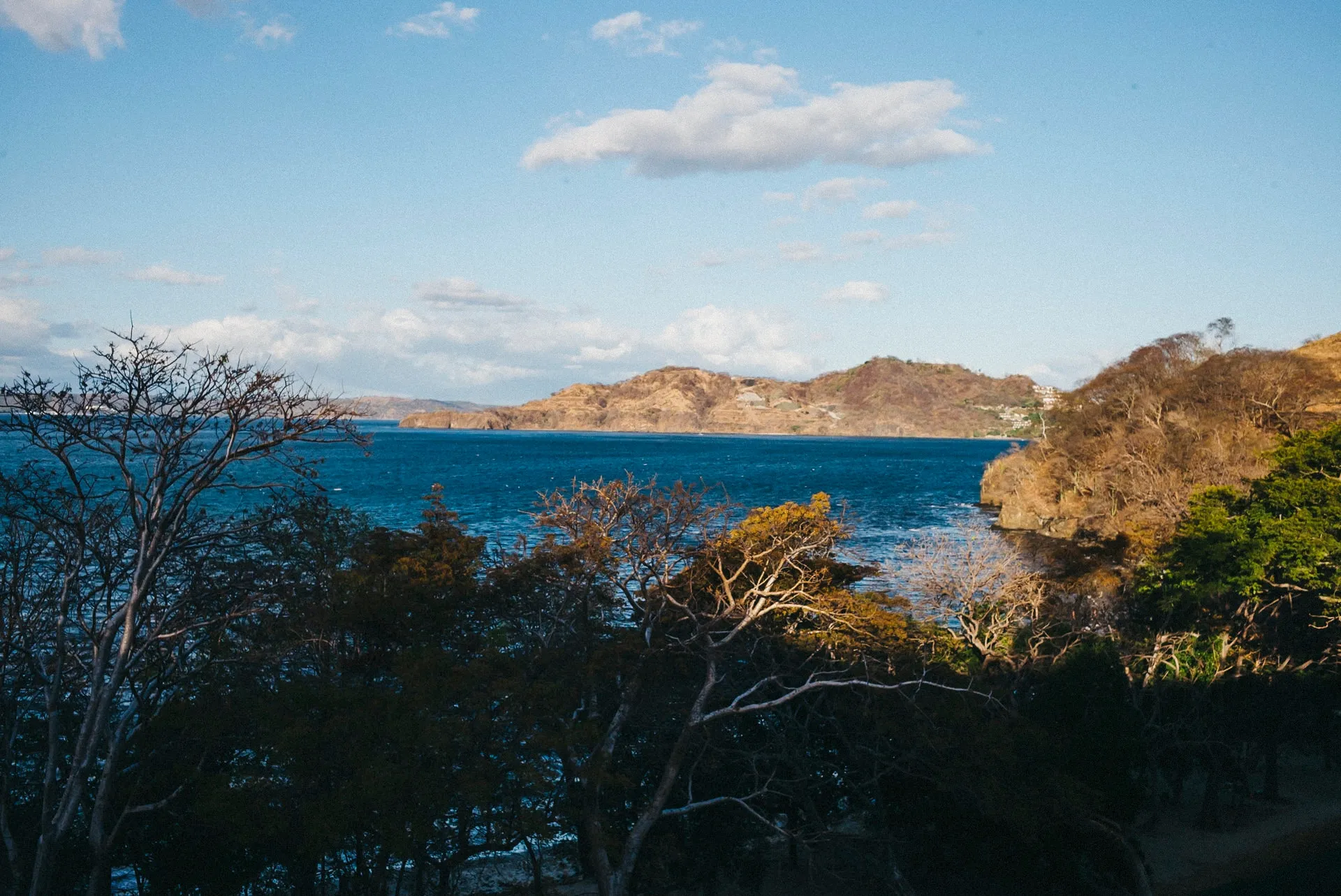
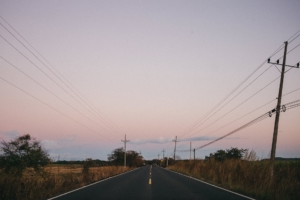
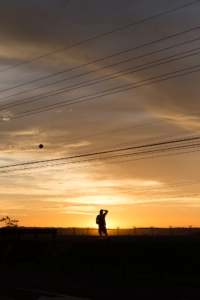
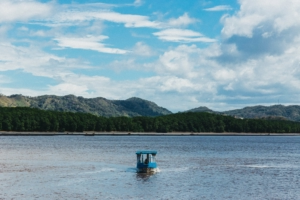
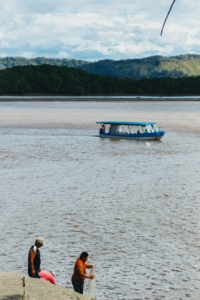
Guanacaste is one of the regions where the landscape changes most dramatically through the year. In the dry season the hills turn pale and dusty, the light becomes harder and the heat shapes the entire production day. In the green season the same areas become dense, saturated and humid within weeks. I have worked here on hospitality, editorial, surf, food and documentary assignments, and the season always affects how I plan the photographs.
Liberia is the practical production gateway for northern Guanacaste. Its international airport makes it possible to move crews and equipment into the region quickly, but travel times along the coast can still be deceptive. A location that looks close on the map may require a long drive on narrow roads, so I build transfer time into the shooting plan rather than treating every beach town as interchangeable.
Tamarindo is one of the easiest coastal bases for editorial and commercial work because services, restaurants, accommodation and production support are concentrated nearby. I have photographed surf, hospitality and food assignments here. The useful photographic window is often early morning or late afternoon; midday can be extremely bright, hot and visually flat.
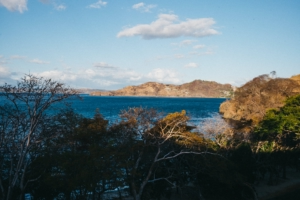
Flamingo and the Papagayo coast are particularly relevant for hospitality, architecture and higher-end travel assignments. Marina, resort and residential locations can look polished, but access rules, guest privacy and property permissions need to be confirmed before the day of production.
Nosara and Playa Guiones work well for wellness, portrait, lifestyle and surf stories. The visual language is softer and less resort-driven than Papagayo, but dust, road conditions and long transfers can affect schedules in the dry season. I plan location changes carefully so the assignment does not lose its best light in transit.
Santa Teresa and Mal País sit farther south on the Nicoya Peninsula and require more travel planning. I have photographed hospitality and travel stories in this area. For production, the main considerations are road time, dust in the dry season, rain in the green season and the limited number of hours when the coastal light is comfortable for people.
Sámara offers calmer water and a different pace from the surf-driven towns farther north and west. It can be useful for family, tourism and community-oriented editorial work when the story needs a less polished, more lived-in coastal setting.
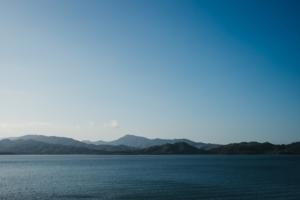
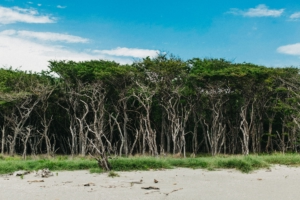
The coast is not one visual environment. Conchal, Potrero, Brasilito, Playa Negra, Junquillal and other beaches differ in access, sand, vegetation, development and sunset orientation. I choose locations according to the assignment rather than treating the beach list itself as the story.
Peninsula Papagayo is one of the strongest areas in Costa Rica for luxury hospitality production. I have photographed properties here across architecture, food, people and resort experience. The work is logistically straightforward once access is arranged, but property permissions, guest privacy and timing around operations are essential.
Moving inland changes the visual character completely. Rincón de la Vieja brings volcanic terrain, geothermal activity, ranch country and forest into the same region. These locations are useful for adventure, conservation and environmental stories, but heat, distance and protected-area rules should be built into the production plan.
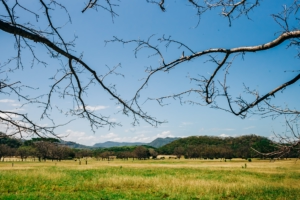
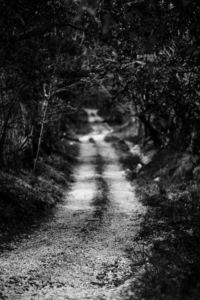
Santa Rosa National Park protects one of the clearest examples of tropical dry forest in the country. During the dry months the landscape can become almost monochrome, with open grasses, bare branches and strong directional light. Wildlife work here requires patience and respect for protected-area rules; turtle nesting and other sensitive events should be approached around conservation protocols rather than simply photographic access.
Witch’s Rock is a useful example of how access shapes the assignment in Guanacaste: some surf and wildlife locations require boats, early departures and weather-dependent timing. The logistics are part of the photographic plan, not an afterthought.
Guanacaste Photography Gallery


Let's Work on your Project
If you are planning an editorial, documentary, hospitality or commercial assignment in Guanacaste, send the location, dates, intended use and production needs. I can advise on access, travel time, light, seasonality and the practical setup before the shoot.