
A Film About People, Conservation, and the Reality of Working in the Field
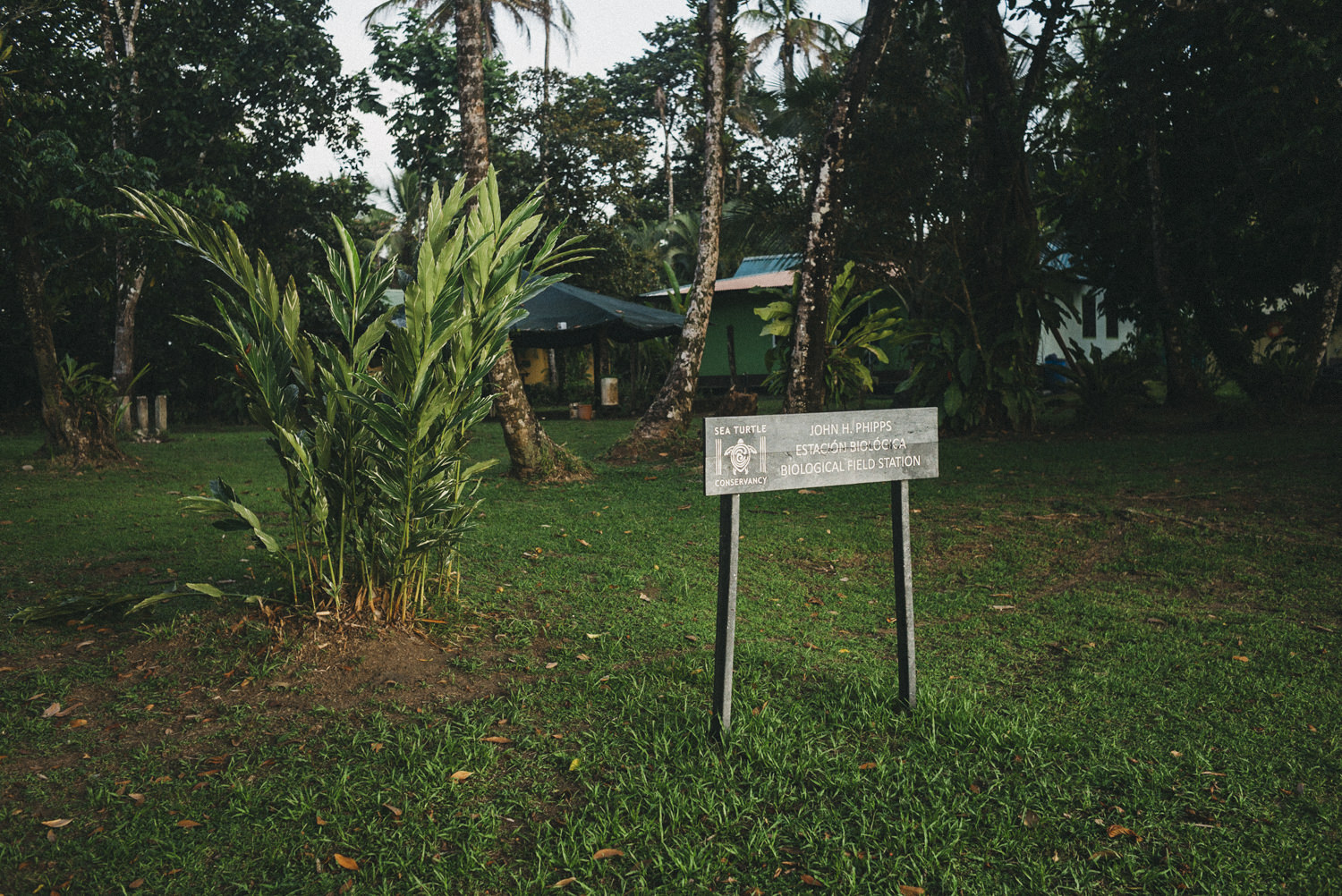
This project was developed in collaboration with the Sea Turtle Conservancy, with the goal of telling two human stories behind conservation efforts in Tortuguero.
Rather than approaching it as a traditional production, the intention was to stay close to reality. Minimal gear, small footprint, and a focus on observation over control.
While this project was captured primarily on film, my approach as a Costa Rica photographer remains the same: observing the honest connection between people and their environment.
Story 01: Iván Ramos – A Life Measured in Miles
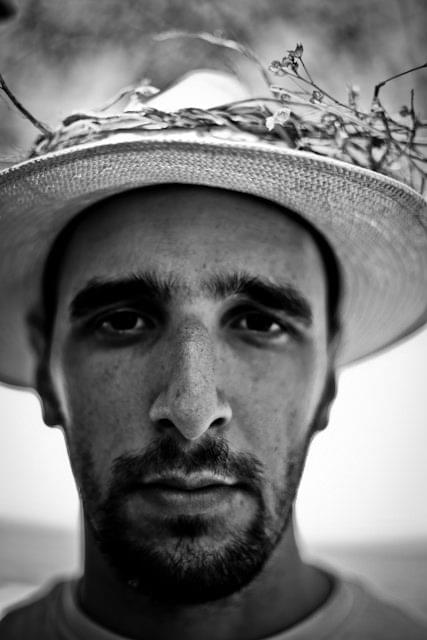
Iván Ramos has spent years walking the beaches of Tortuguero, tracking nesting turtles and protecting their future.
Over time, he has walked thousands of kilometers along this coastline. But what defines him is not distance, it’s consistency.
Visually, this film leans into a slow, atmospheric language. Shot in near-total darkness, the only consistent light source is the red beam of a headlamp, isolating him against the landscape. Close, shallow-focus details of his hands and notes contrast with wide frames that emphasize his solitude.
The pacing is deliberate. Long takes mirror the repetition of his work, while sound remains grounded in reality, waves, footsteps, the quiet rhythm of the night.
The result is a restrained, intimate portrait shaped by darkness, silence, and routine.
Story 02: The Junior Assistants Program – A Community Transformed
The second film shifts perspective, from the individual to the collective.
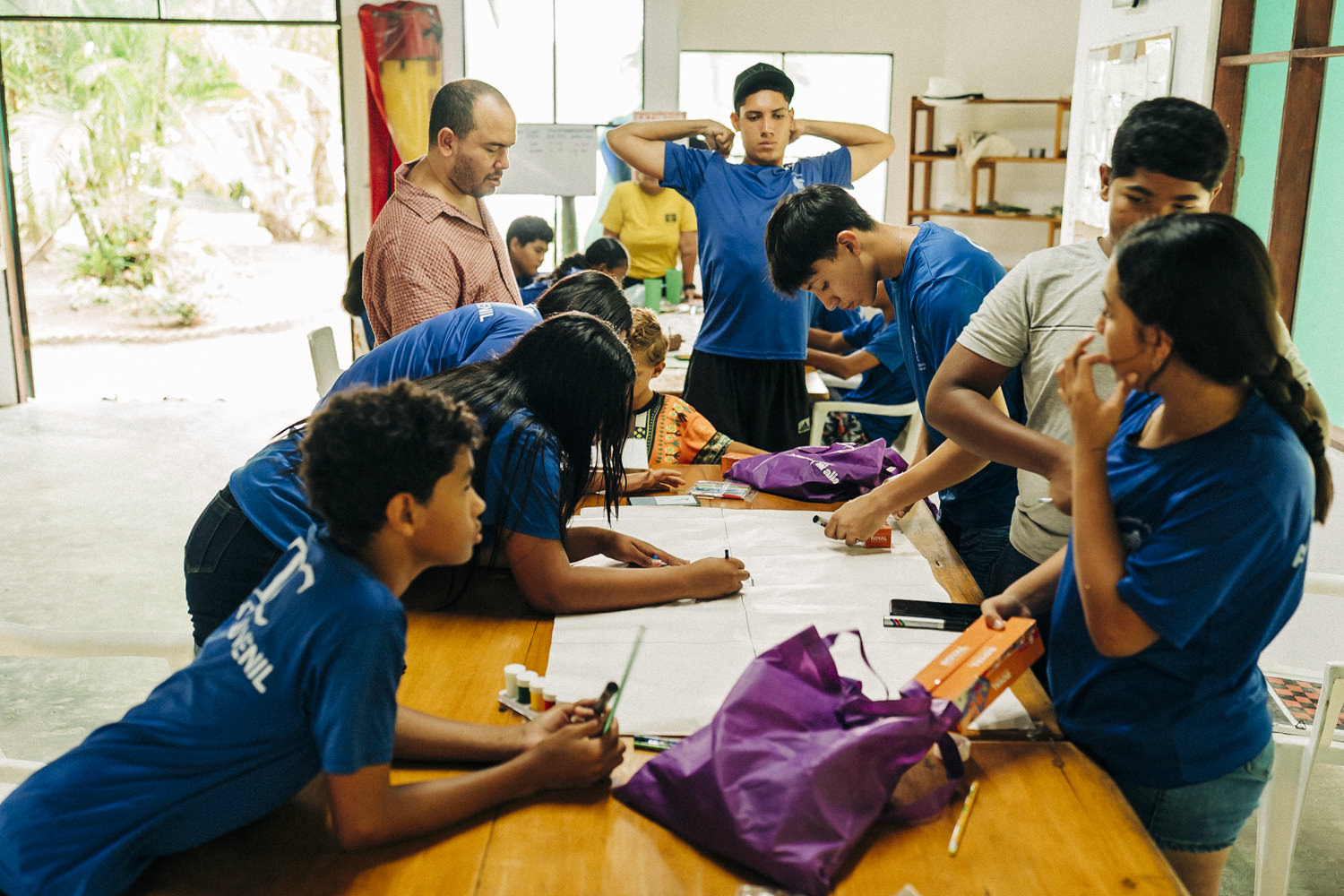
The Junior Assistants Program, developed by the Sea Turtle Conservancy, focuses on empowering local youth through conservation work.
Here, the visual and narrative approach changes completely.
The film is more kinetic, built around movement, interaction, and energy. Shot mostly in natural daylight, the camera becomes more responsive, handheld, following moments as they happen.
Instead of a single voice, the story is constructed through many. Different ages, different perspectives, layered together to form a shared narrative. Archival images, fieldwork, and interviews are interwoven into a fluid structure.
Even during night sequences, the approach remains minimal, using available light and high ISO performance to avoid interfering with wildlife.
The result is a film that feels alive, collective, and rooted in community.
The Production Story
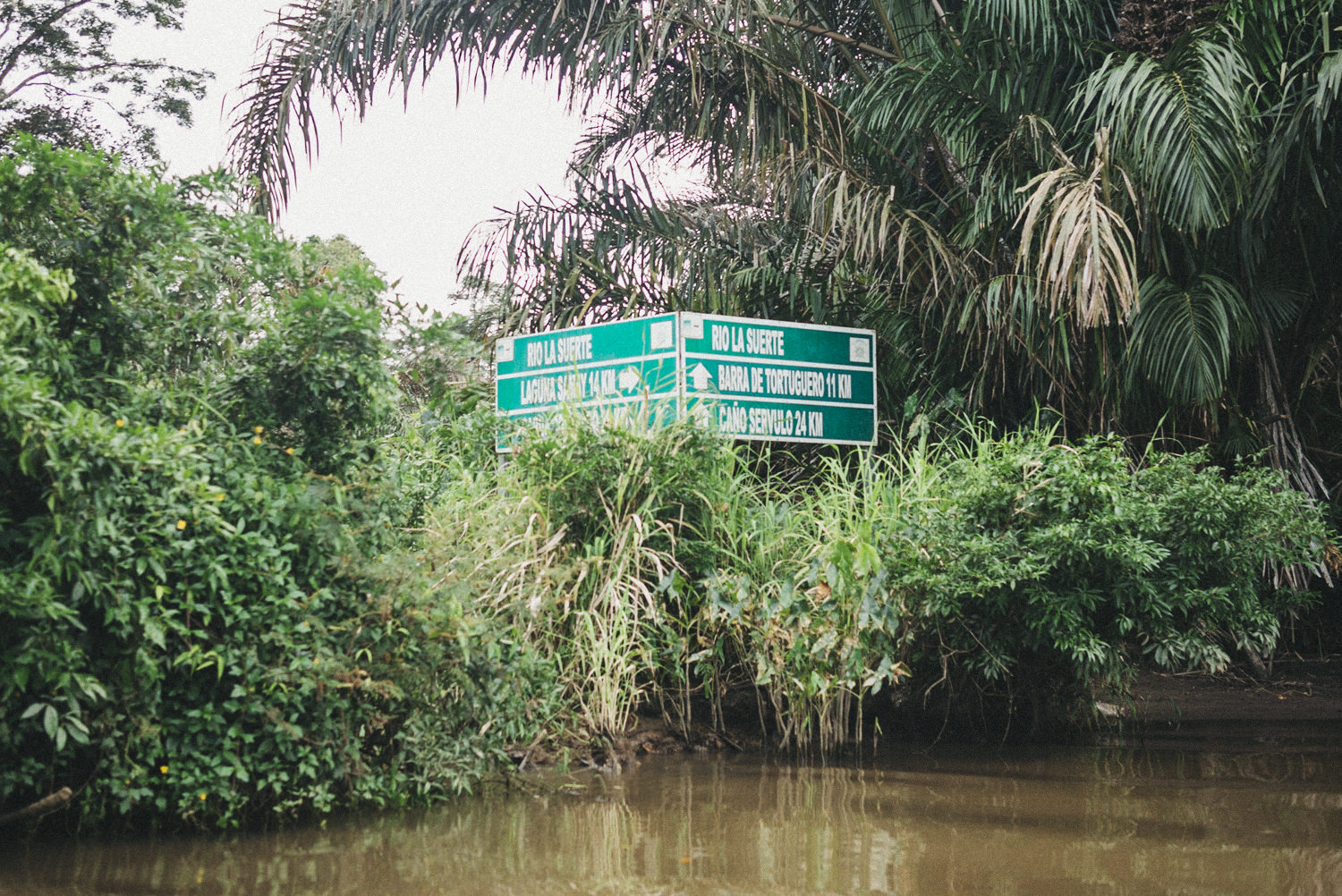
Filming in Tortuguero comes with very real constraints.
Access is limited to boats. Weather shifts constantly. Humidity sits close to 90% most of the time. And most importantly, the people you are documenting are not actors, they are working.
That last part shaped everything.
Time with each subject was limited. Stopping to film often meant interrupting their ability to earn a living, guiding tours, leading patrols, or managing daily responsibilities. So the process had to adapt to them, not the other way around.
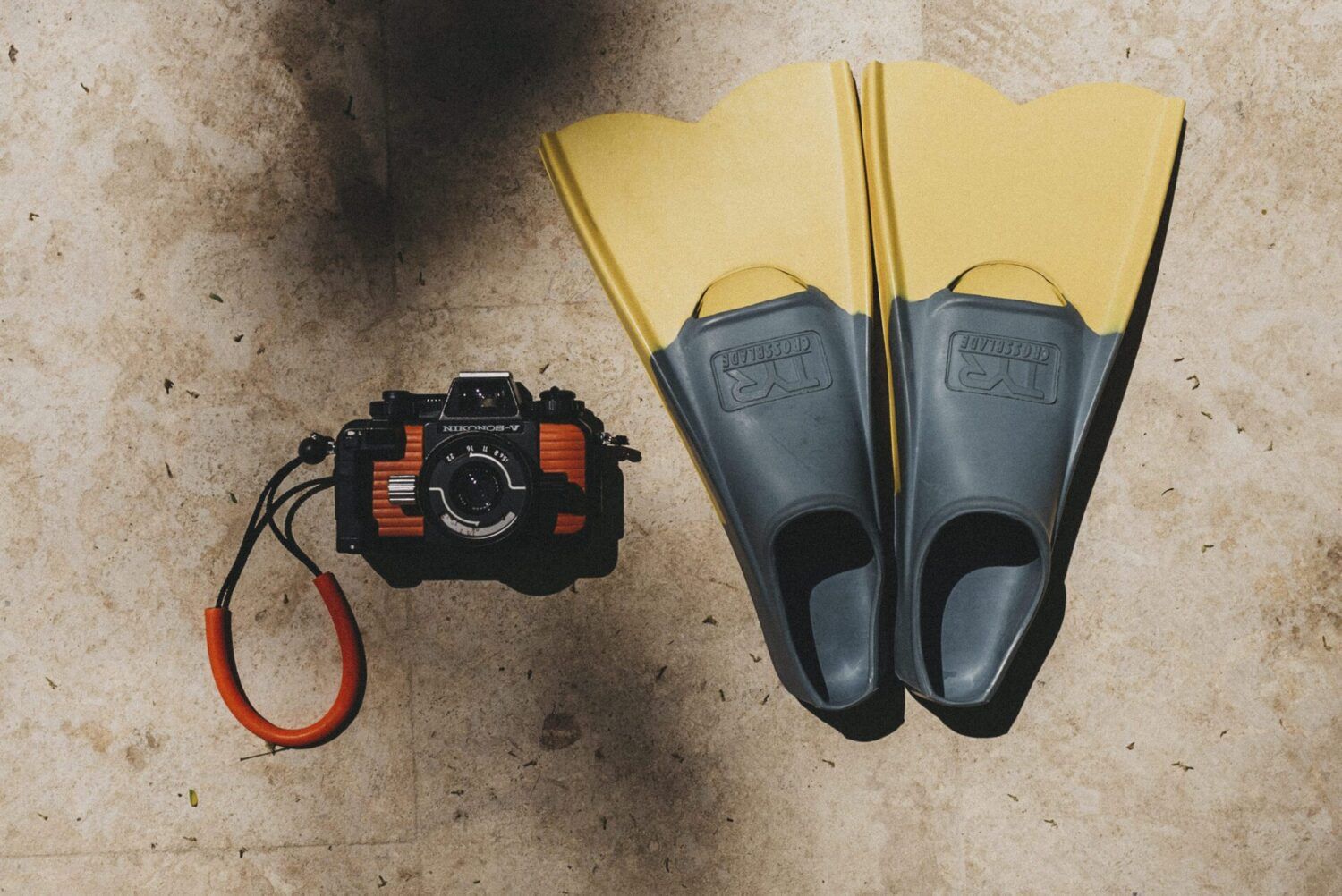
The entire production was reduced to a minimal setup:
- Sony A7 III
- 35mm and 55mm lenses
- Sennheiser lavalier microphone
- Manfrotto tripod with fluid head
That was it.
No artificial lighting setups, no large crew, no room for excess. Traveling by boat forces clarity. You only bring what you truly need.
My approach has never been about traditional filmmaking structures. Instead of directing scenes, I focus on observing moments as they unfold. Positioning, waiting, and reacting rather than constructing.
That approach becomes even more important in a place like Tortuguero, where the environment and the people already carry the story.
Working Small in a Complex Environment
This project was filmed by just two people.
Myself, handling direction, cinematography, and narrative.
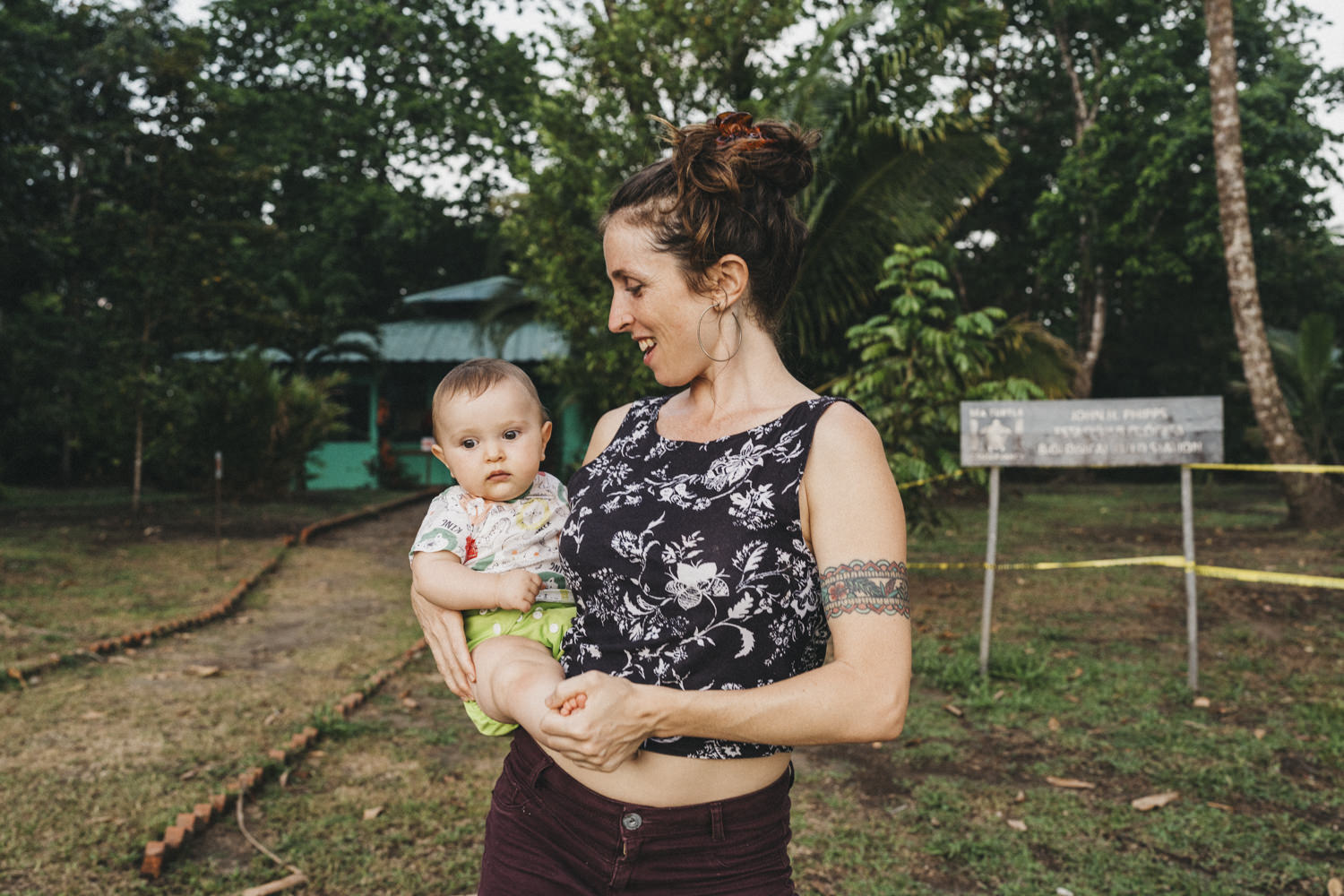
Georgina, environmental educator with over a decade of experience working in Tortuguero with conservation programs, local communities, and national parks.
Her presence was critical.
Not just for logistics, but for trust. Access in places like this doesn’t come from showing up with a camera. It comes from relationships built over time.
That trust allowed the stories to unfold naturally, without forcing moments or disrupting reality.
Why This Work Matters
For organizations like the Sea Turtle Conservancy, storytelling is not just visual, it’s strategic.
It helps communicate impact, build awareness, and connect people to causes that are often distant from their daily lives.
But beyond that, projects like this reinforce something simpler.
The most powerful stories don’t need to be constructed. They already exist.
You just need to be present enough to see them.
Final Thoughts
Working in Tortuguero is a reminder that conditions are never perfect.
Limited access, unpredictable schedules, minimal gear.
But those constraints are not limitations. They are part of the story.
And when approached with intention, they become the reason the work feels real.
Need professional coverage for an environmental or editorial project? View my full range ofCosta Rica Photographer Services or Contact Me to discuss your assignment.

0 Comments