
Wildlife Photography in Costa Rica: The Tárcoles River Experience
There’s a moment on the Tárcoles River where everything feels a little unreal.
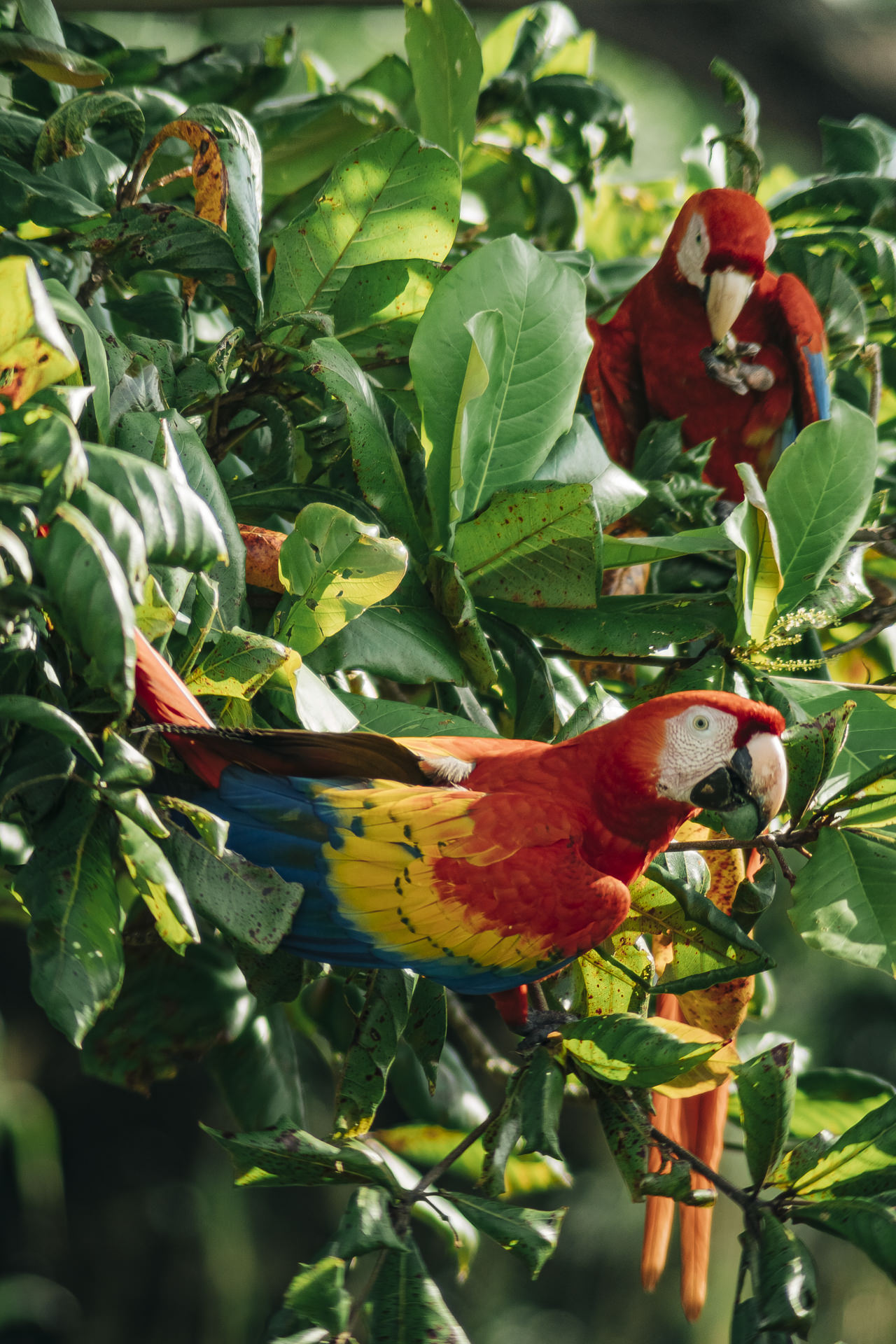
You hear the macaws before you see them. Loud, chaotic, impossible to ignore. Then they cut across the sky in pairs, bright red against a soft morning light. At the same time, just below you, there’s a crocodile barely moving in the water. Huge, silent, prehistoric.
That contrast is what makes this place different.
Not just the variety of wildlife, but how close, how raw, and how unpredictable it feels to photograph it.
If you’re looking for wildlife photography in Costa Rica, this is one of those locations that quietly outperforms almost everything else.
Why Tárcoles River Is Different
Costa Rica has no shortage of wildlife. National parks, cloud forests, jungles, all of it delivers. But most places make you work for it. Long hikes, dense vegetation, limited visibility.
Tárcoles is the opposite.
Here, everything comes to you.
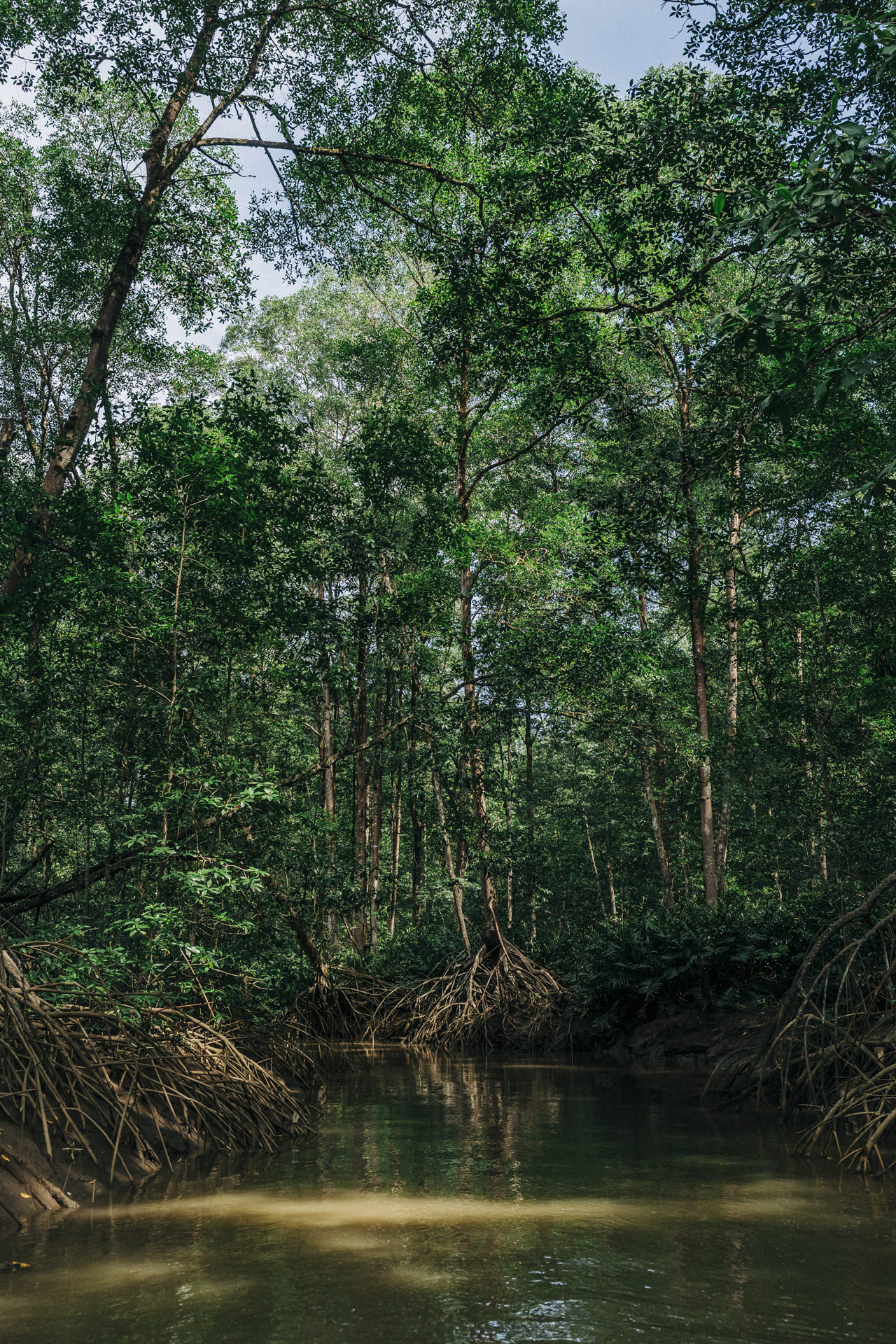
The river cuts through mangroves and transitional forest, which creates a mix of ecosystems in a relatively small area. That’s why you can photograph birds, reptiles, and mammals all within the same session without moving much.
It’s accessible, but it doesn’t feel controlled. There’s still a sense that anything can happen, and sometimes it does.
What You Can Actually Photograph Here
Birds
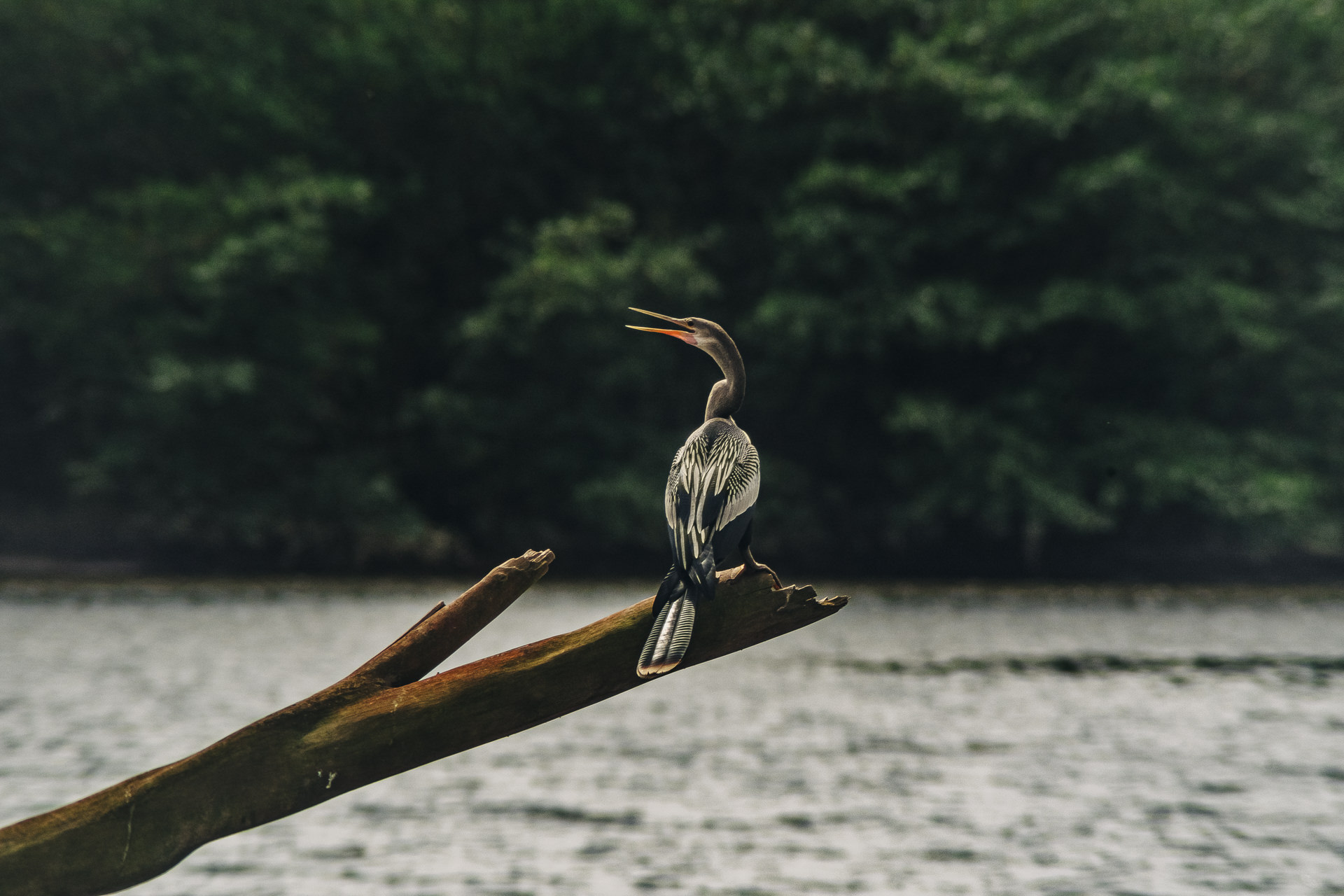
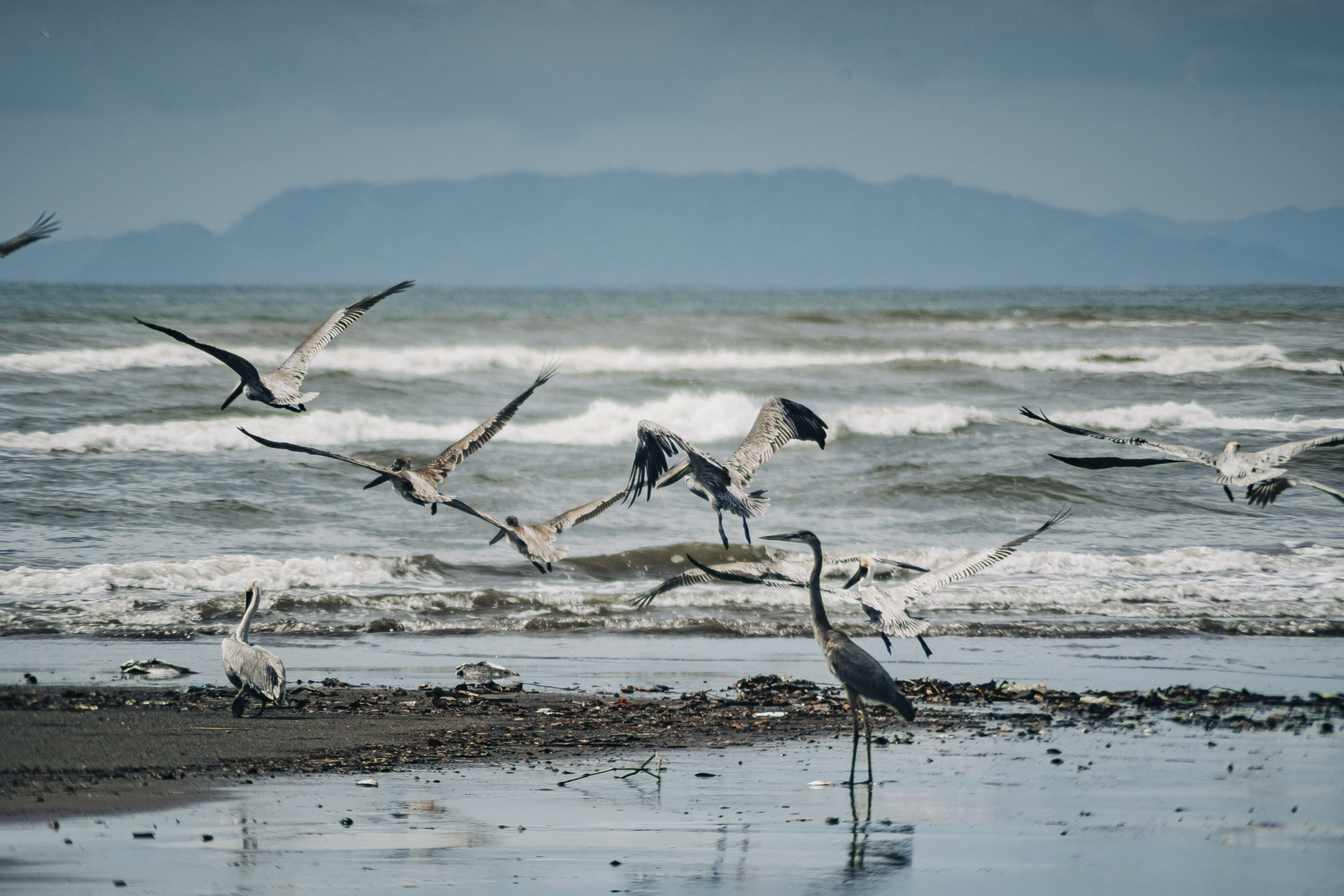
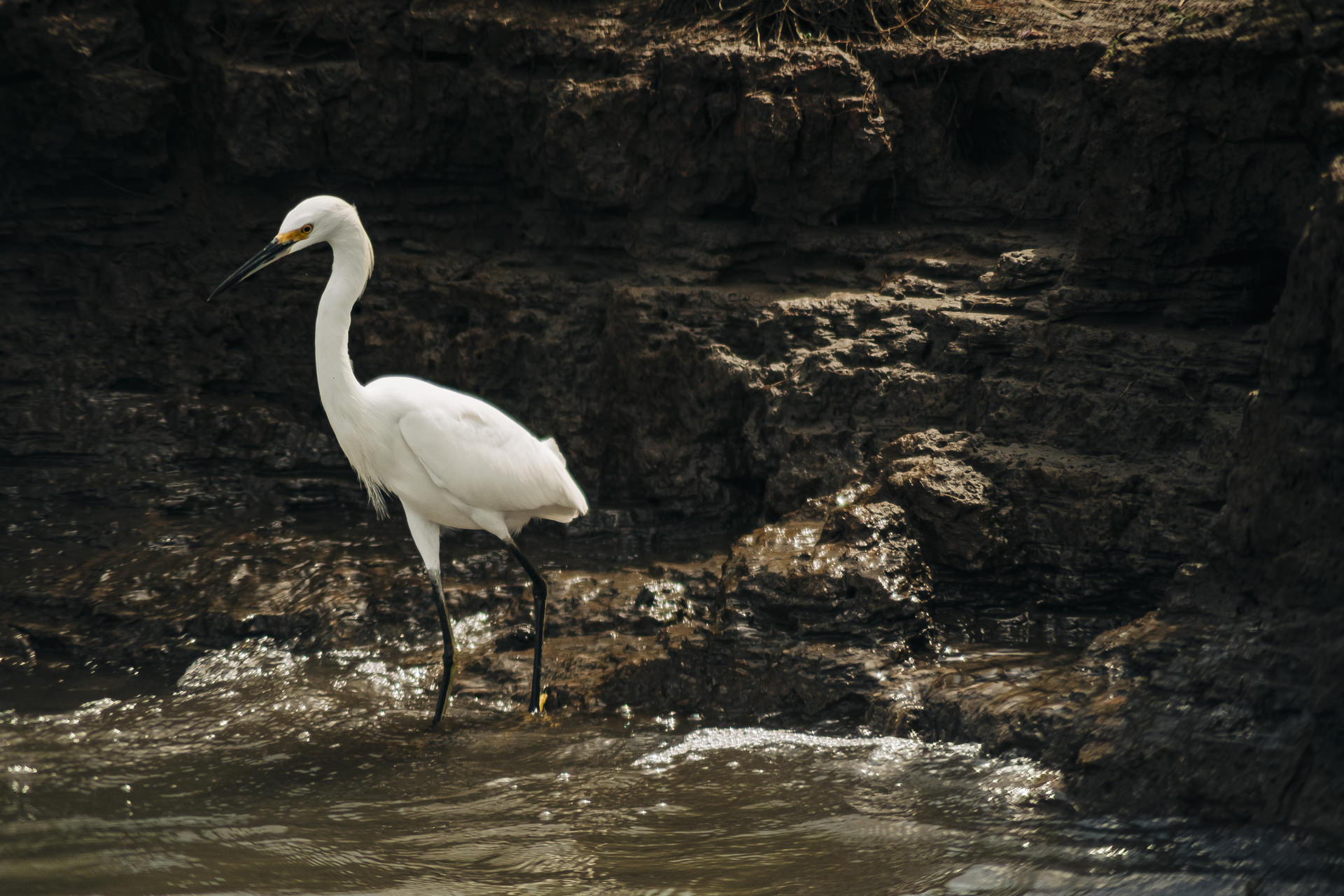
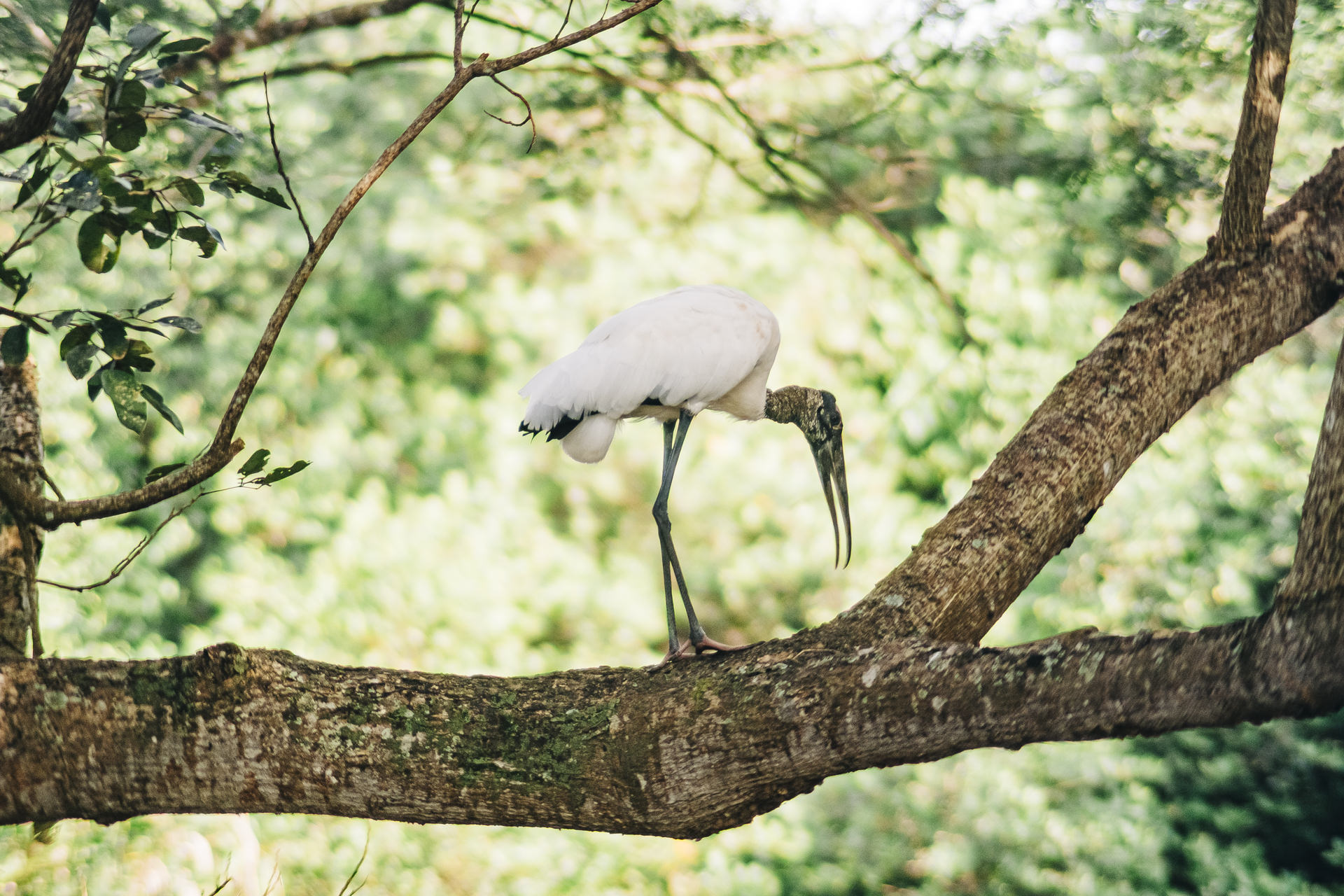
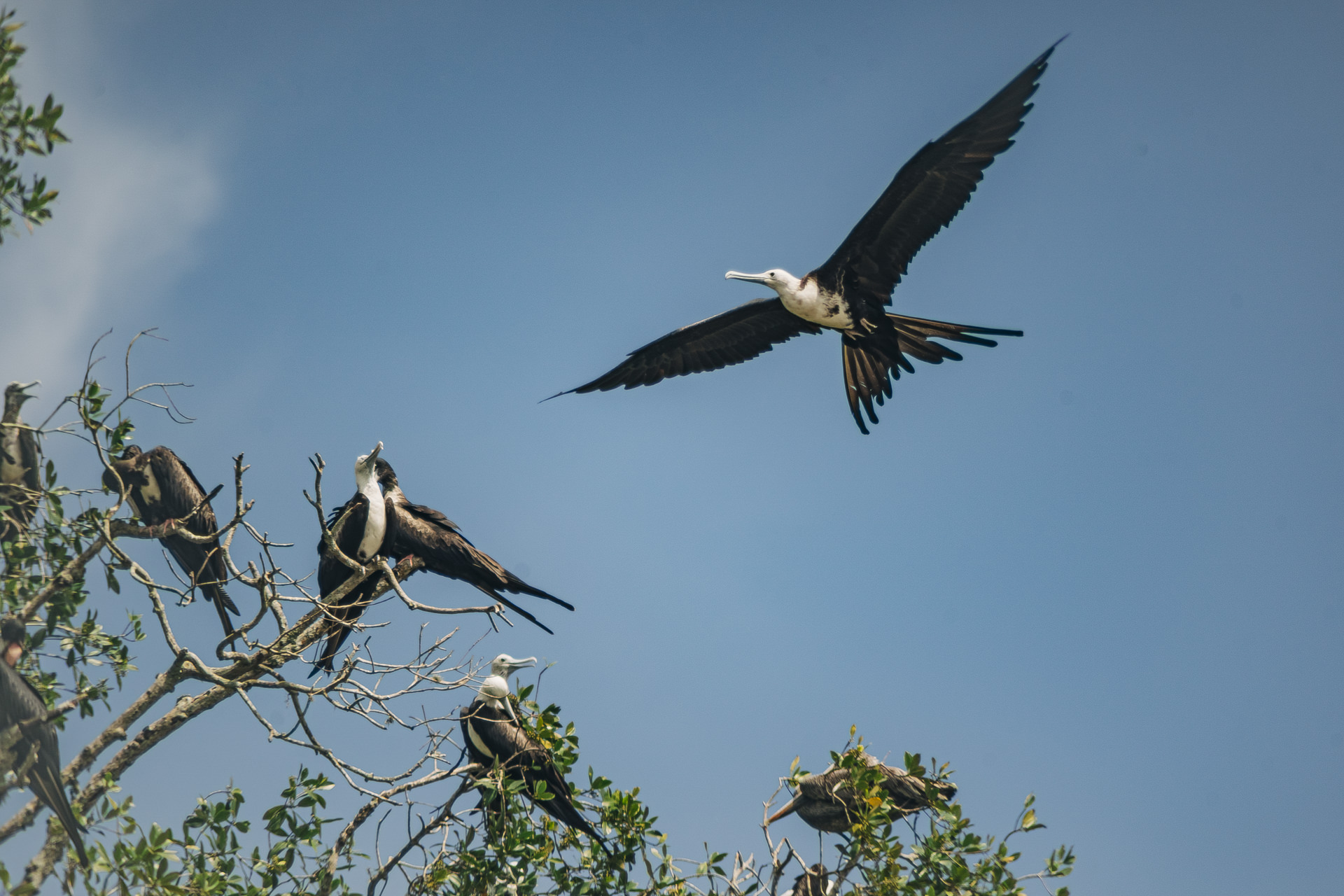
This is easily one of the strongest bird photography spots in the country.
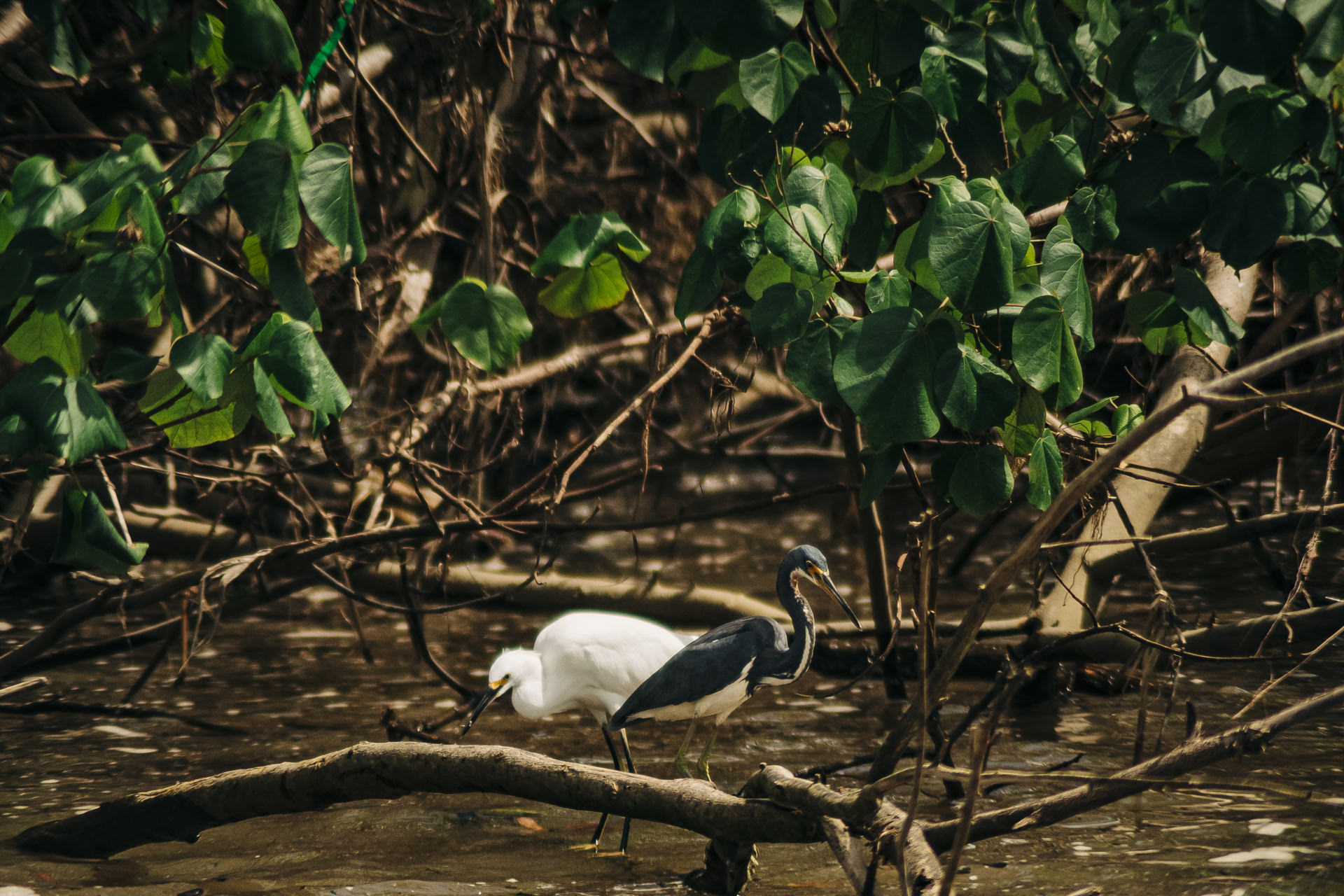
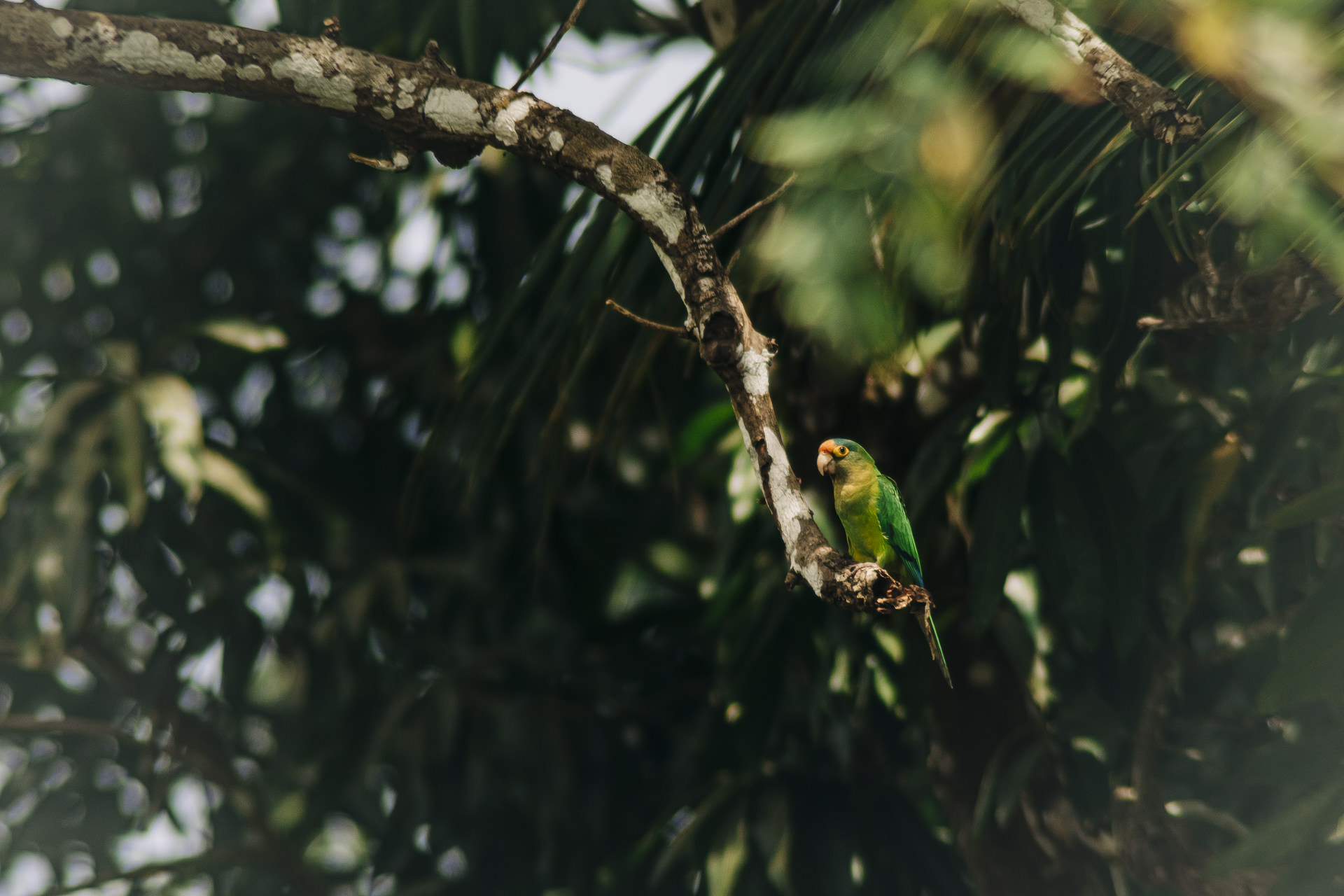
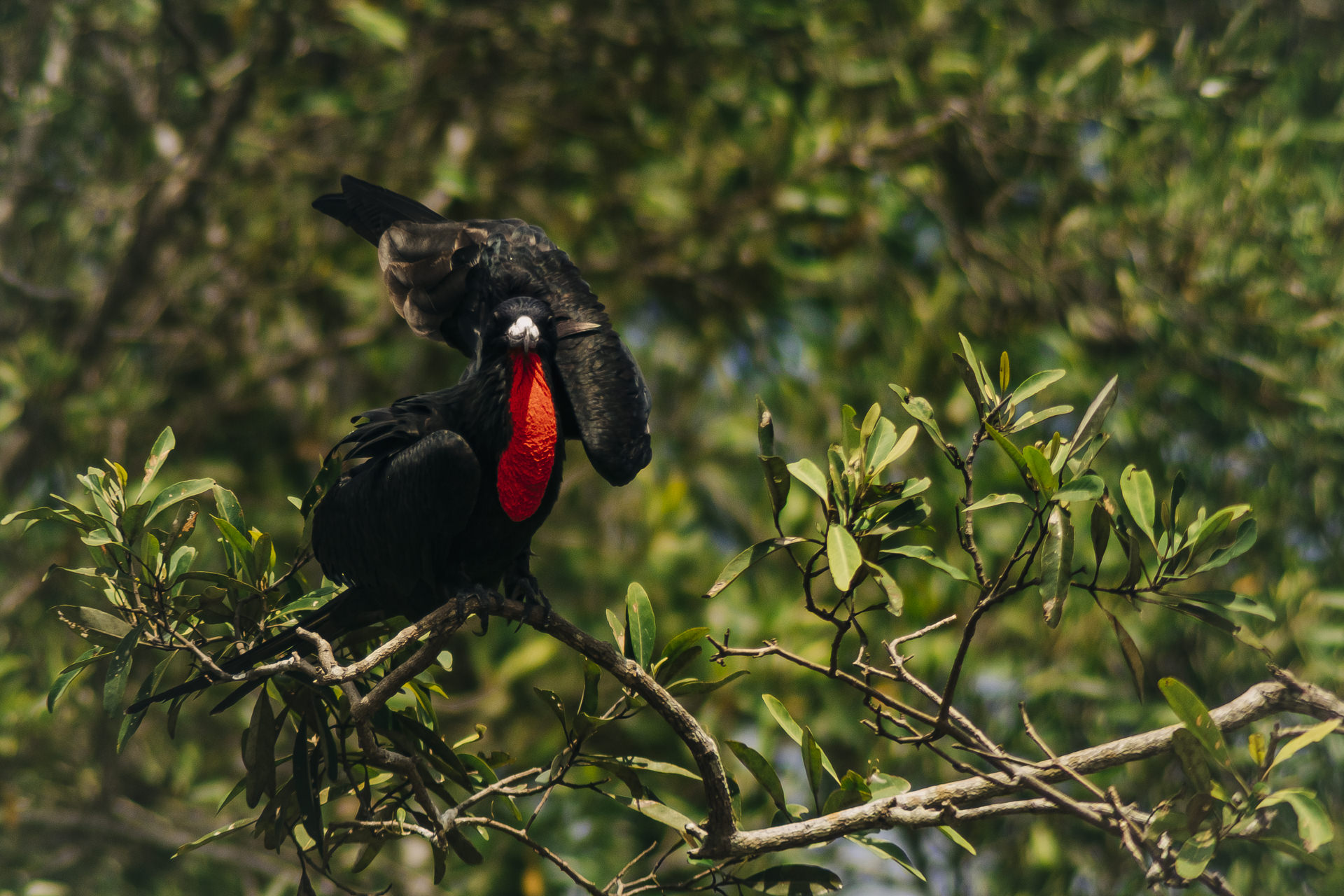
Scarlet macaws are the obvious highlight. They move fast, usually in pairs, and tend to fly early in the morning when the light is still soft. You’ll also see herons, kingfishers, egrets, and plenty of smaller species that show up when you’re not expecting them.
A lot of the shots here are about timing. You’re not just photographing birds, you’re reacting to movement constantly.
Crocodiles
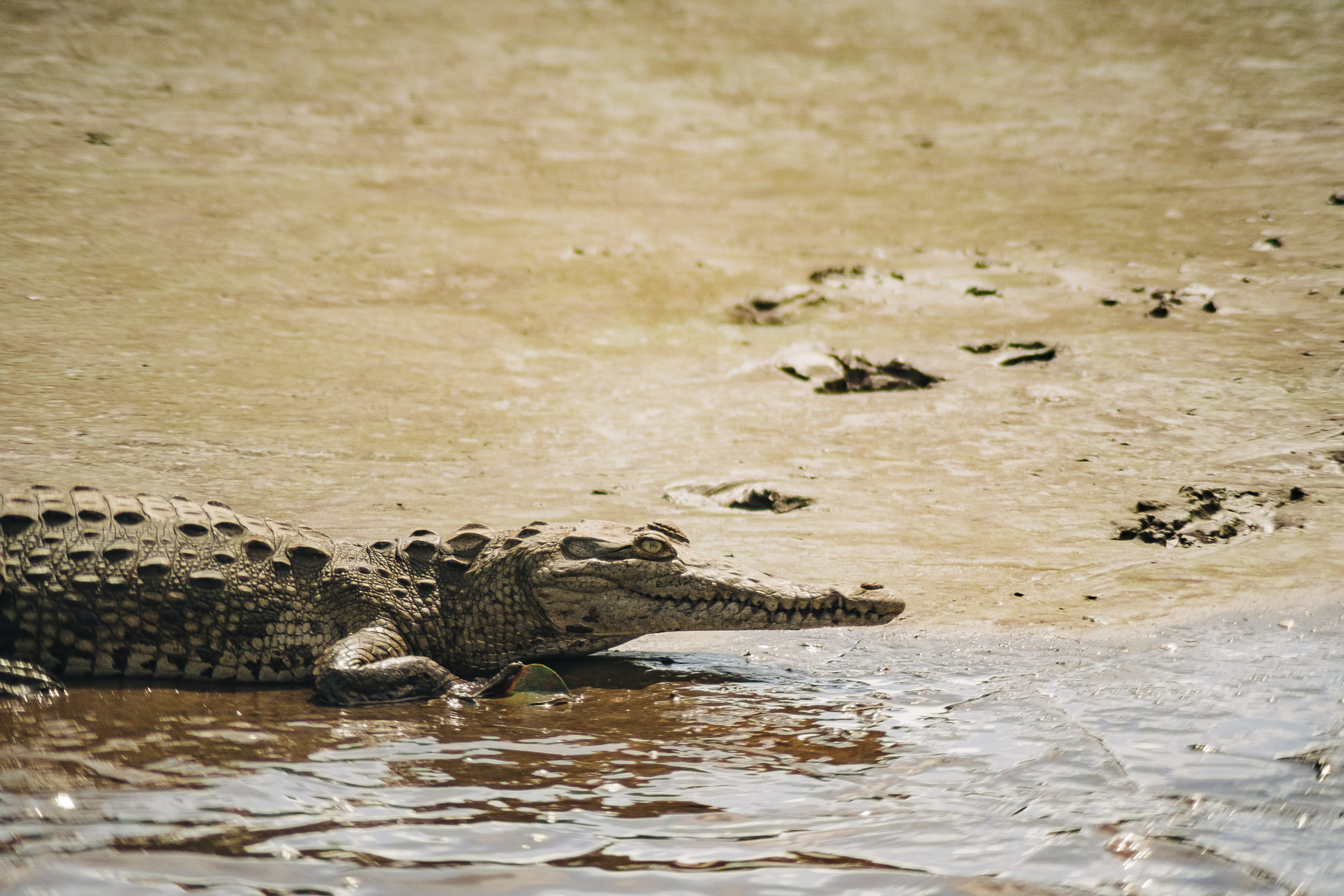
The Tárcoles River is known for its crocodiles, and once you’re there, it makes sense why.
They’re everywhere.
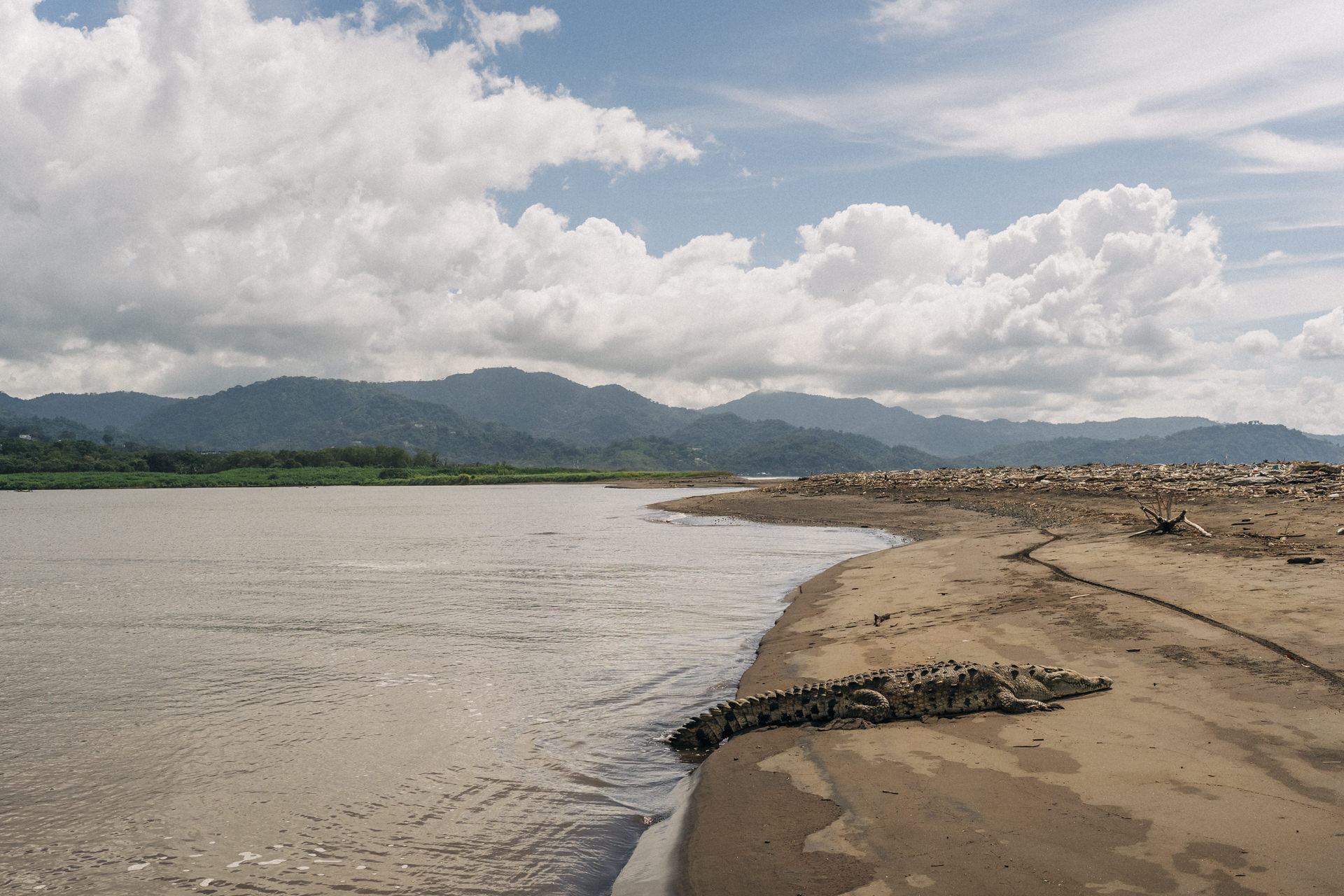
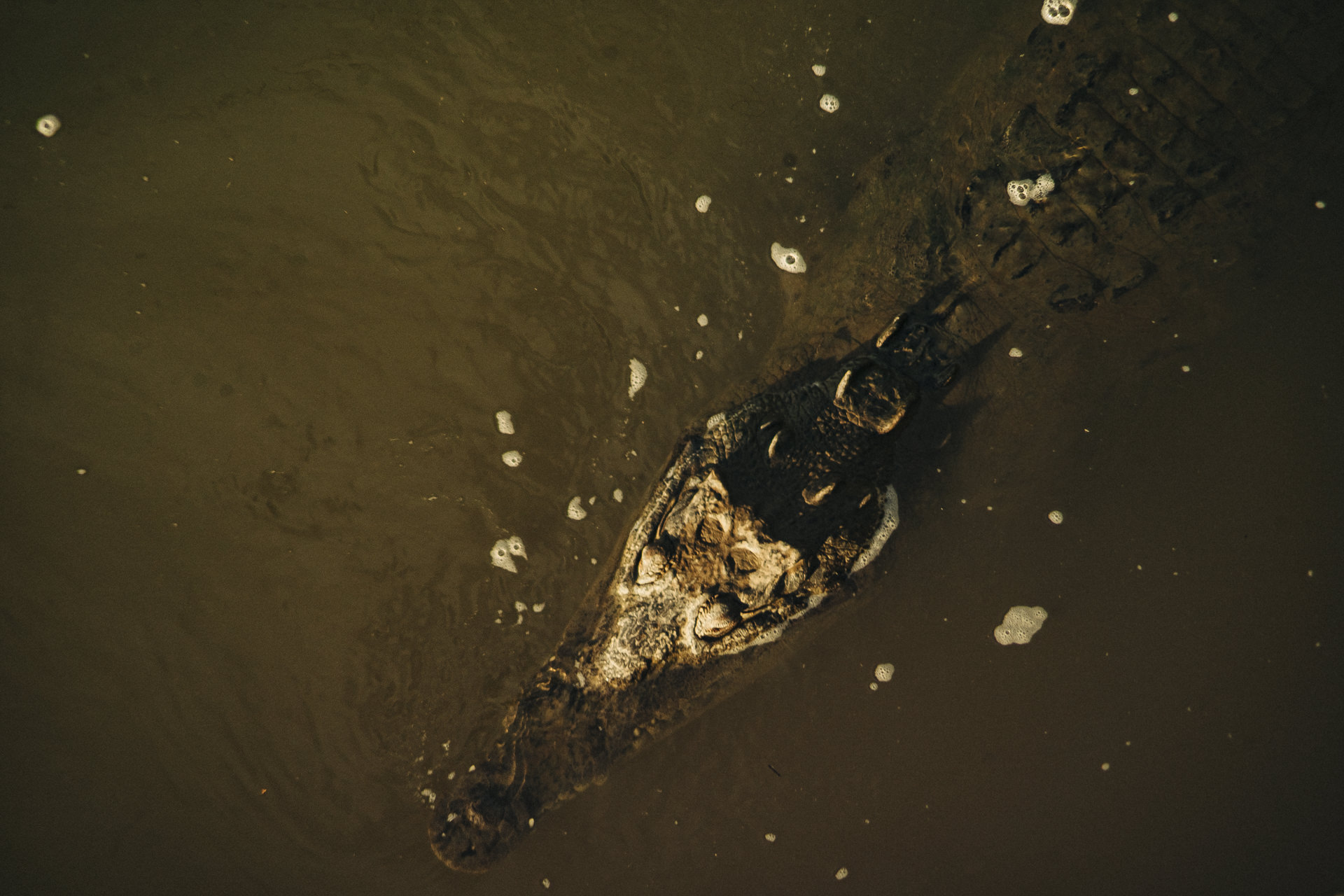
Some are resting on the banks, others barely visible in the water. What makes them interesting photographically is the scale. You don’t really understand how big they are until you try to frame them.
Top-down shots from the bridge feel very different from low-angle shots on a boat. One is graphic and almost abstract, the other feels a lot more intense and personal.
Mammals
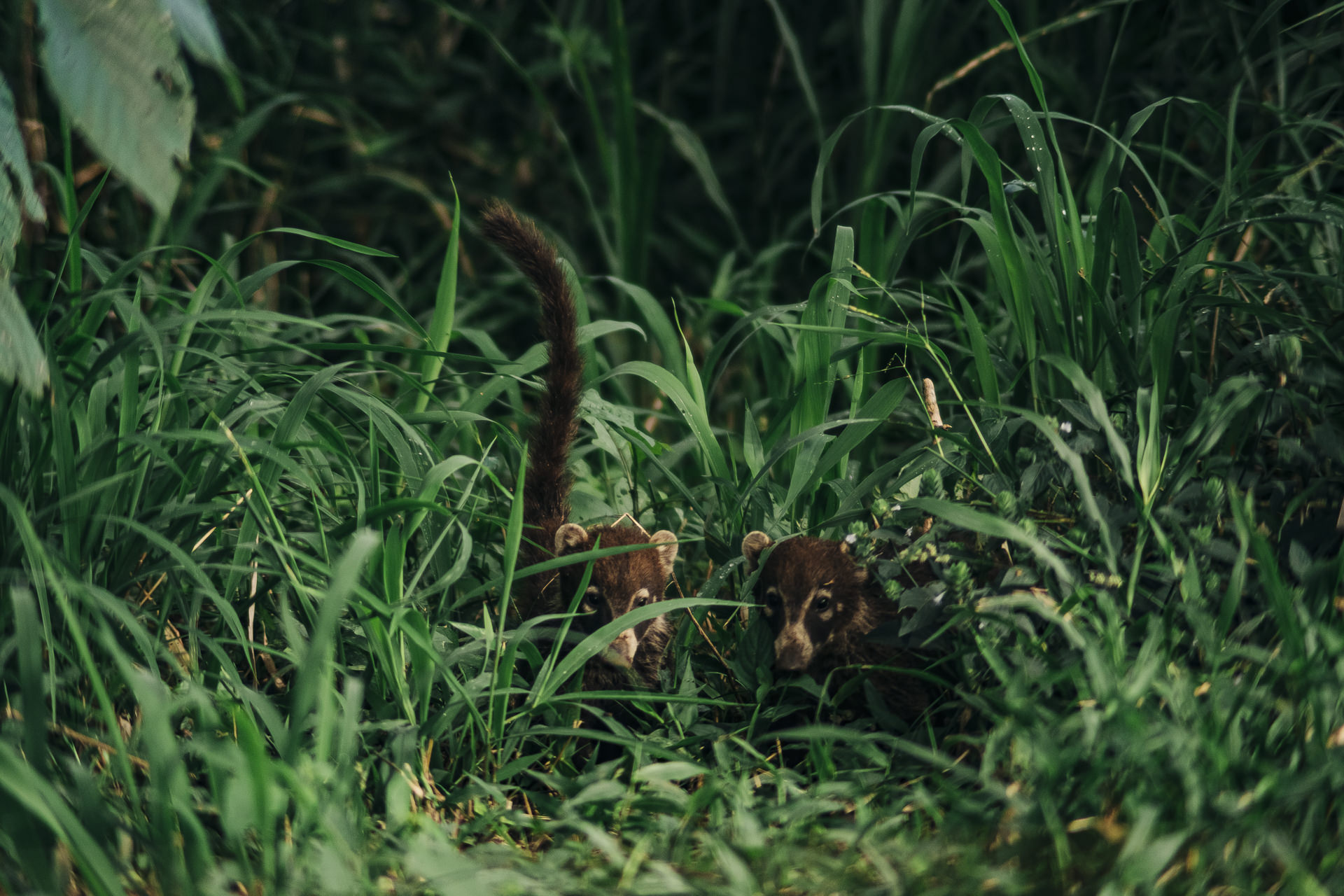
Monkeys are the most common, especially along the riverbanks. You’ll hear them before you see them, moving through the trees, sometimes stopping just long enough for a frame.
There are also smaller moments that tend to get overlooked. Raccoons near the water, iguanas catching light on branches, quick interactions that don’t last more than a few seconds.
That’s part of the challenge here. You’re not just waiting for one subject, you’re constantly shifting attention.
How I Actually Shot It
I approached this in three different ways: walking the bridge, moving along the riverbank, and shooting from a boat.
Each one gives you a completely different perspective.
The bridge is the easiest starting point. You’re above everything, looking straight down into the river. It’s where you really start to understand the scale of the crocodiles. Good for quick stops, but you’re limited. You can’t control your angle much, and after a while it starts to feel repetitive.
Walking along the riverbank slows things down.
That’s where I found more of the smaller moments. Birds landing, monkeys moving through the trees, light hitting in a more controlled way. It’s less obvious than the bridge, but more rewarding if you take your time.
The boat is where it all comes together.
You’re at eye level with everything. You can adjust your position, follow movement, and get closer without forcing it. It feels less like observing and more like being inside the scene.
I started as early as possible, right at sunrise, and stayed out until sunset.
The light changes constantly throughout the day, but those early hours are where things really click. Softer light, more activity, and a bit more unpredictability. By midday it gets harsh fast, especially with the reflections off the water, so it becomes more about waiting and adapting.
For gear, I kept it simple but flexible.
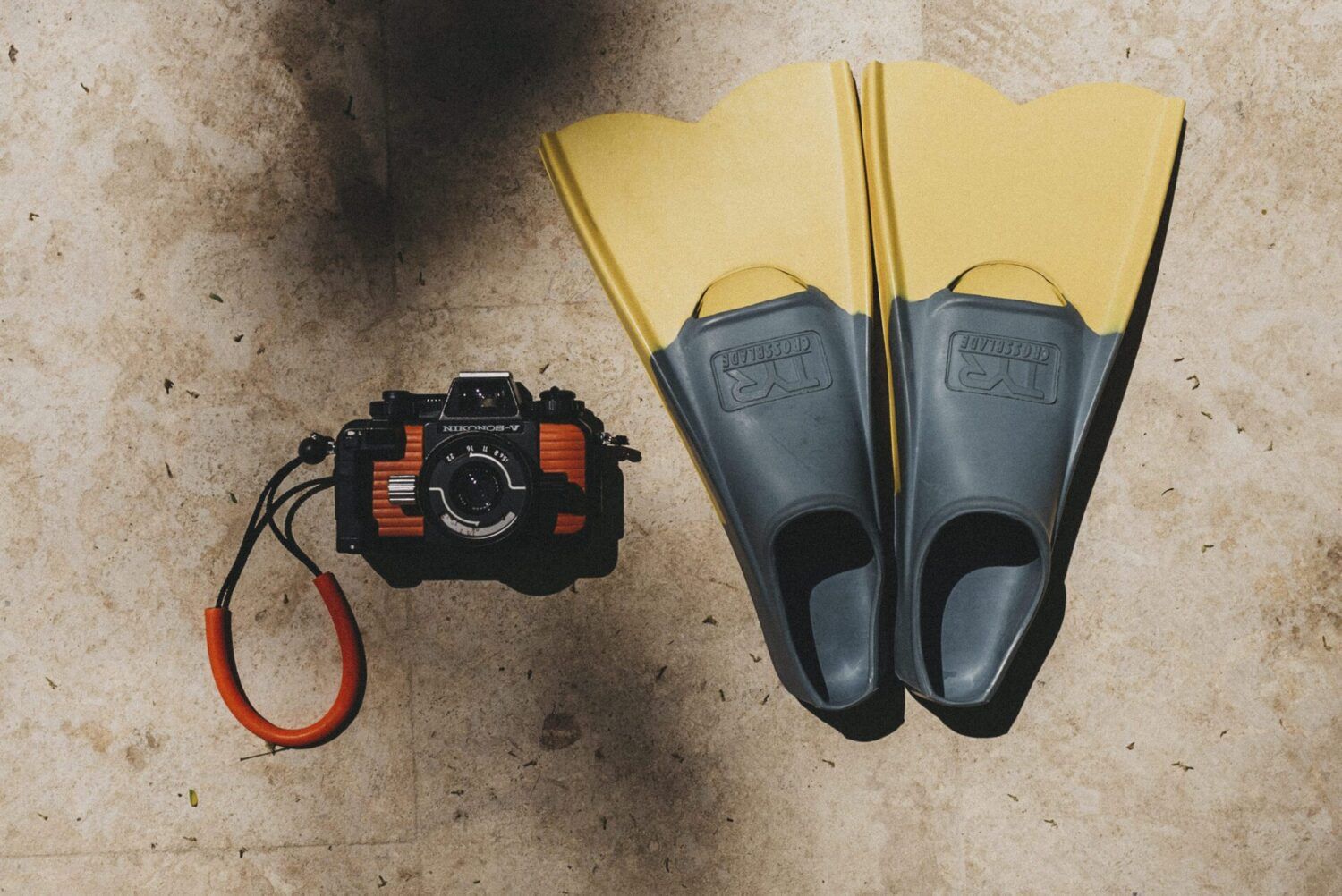
Everything was shot on a Sony A7 III, paired with three lenses that covered completely different situations.
The Sony FE 55mm f/1.8 ZA was probably the most versatile. Clean, fast, and perfect for moments that happened quickly without much time to think.
The Sony FE 35mm f/1.4 GM gave me more context. Wider frames, more environment, especially when shooting from the boat or along the riverbank.
And then there was the older Vivitar MC Macro Focusing Zoom 70–210mm f/4.5 with a 2x teleconverter adapted to Sony E mount.
This one is fully manual.
No autofocus, no shortcuts. You have to know what you’re doing, or at least be willing to miss a lot before you get it right. But that’s also what makes it fun to use.
You become very single-minded.
You’re tracking movement, adjusting focus, thinking about exposure, all at the same time while the scene keeps changing. It feels closer to hunting, in a way, except you’re not taking anything from the moment. You’re just trying to do it justice.
It slows you down, but also pulls you in.
And the images have a different feel to them. The older coatings, the slight imperfections, the way it handles light and contrast, it adds character that’s hard to replicate with modern lenses. Not technically perfect, but that’s kind of the point.
Switching lenses isn’t always an option out there. Things happen fast. A bird takes off, a crocodile shifts, monkeys move through the trees and disappear.
You’re not reacting as much as you think. You’re anticipating.
And most of the time, you either catch it, or you don’t.
The Part No One Really Talks About
It’s not always easy.
The heat builds up quickly, gear gets sticky, and concentration drops faster than you expect. Light changes constantly, especially with clouds moving in and out.
And wildlife doesn’t perform on cue.
There are quiet moments where nothing happens, followed by a few seconds where everything happens at once. If you’re not ready, you miss it.
There’s also the bridge.
It’s one of the most popular spots, and it can get crowded. Good for access, not always ideal for shooting.
Boat vs Bridge: What Actually Works Better
Both have their place, but they offer completely different experiences.
The bridge is simple. You stop, look down, and you’ll almost certainly see crocodiles. It’s fast, accessible, and works if you’re passing through.
The boat is where things open up.
You move through the environment instead of observing it from above. Birds come closer, angles improve, and you start noticing details you’d miss otherwise.
If photography is the priority, the boat wins without question.
Final Thoughts
What stayed with me about Tárcoles wasn’t just the wildlife.
It was how immediate everything felt.
There’s no barrier here. No long setup, no waiting for hours in silence. Things happen fast, and when they do, you’re right in it.
Coming from shooting weddings and portraits, this felt like a completely different rhythm. Less control, more instinct.
And that’s probably why it works so well.
It forces you to pay attention in a different way.

0 Comments