
Costa Rica Travel Guide UK: A British Traveller’s Guide to the “Rich Coast”

Costa Rica Travel Guide UK. A small Central American nation nestled between the Pacific Ocean and the Caribbean Sea, has long been celebrated for its staggering biodiversity and pioneering approach to conservation. Often described as one of the most progressive countries in the region, it abolished its army in 1949 and redirected resources towards education, health, and the environment. Today, it regularly tops international indices of happiness and sustainability, a lifestyle encapsulated by the national motto Pura Vida, pure life.
For British travellers seeking a destination that combines adventure, relaxation, and ethical tourism, Costa Rica delivers on every front. The country’s compact size belies its extraordinary diversity: you can breakfast watching howler monkeys in a rainforest canopy, lunch on fresh ceviche by a Pacific beach, and dine overlooking a smouldering volcano, all within a few hours’ drive.
As a Costa Rica photographer, I’ve witnessed this British interest firsthand. Over the past year, I’ve received an increasing number of enquiries from UK photographer colleagues seeking advice about working in Costa Rica, as well as from British couples wanting to capture their engagement sessions, family holidays, and, most frequently, their destination weddings in Costa Rica. This surge in interest from the UK inspired me to create this comprehensive guide, combining practical travel advice with insider knowledge from over 15 years of photographing weddings and sessions across every corner of this remarkable country.
“Costa Rica combines world-class wildlife with boutique, eco-minded hotels,” writes Condé Nast Traveller, a neat summary of why the country continues to draw British interest. It’s a place where luxury and nature coexist seamlessly, where five-star service doesn’t mean sacrificing environmental principles.
Arenal Volcano, La Fortuna.
Natural Riches and Conservation Leadership

Despite being smaller than Scotland, Costa Rica contains an estimated 5–6% of the world’s biodiversity, with more than a quarter of its land protected in national parks. This protection has allowed rainforest cover to expand, a rare trend in the tropics. The country generates nearly all its electricity from renewable sources, predominantly from hydroelectric, wind, and geothermal power.
The numbers are remarkable: over 500,000 species call this tiny nation home, including 900 bird species, 250 mammals, and countless insects, plants, and marine creatures. British nature enthusiasts will find species here that exist nowhere else on Earth, from the resplendent quetzal to the glass frog.
The Guardian often cites Costa Rica as an example of what ambitious environmental policy can achieve, praising its “reforestation success and renewable energy commitment” while noting challenges such as pesticide use in bananas. The country’s forest cover has doubled since the 1980s, reversing decades of deforestation through innovative payment-for-ecosystem-services programmes that compensate landowners for conservation.
Costa Rica’s 29 national parks range from accessible day-trip destinations to remote wilderness requiring serious planning. Manuel Antonio, though small, packs incredible wildlife into a coastal setting just hours from San José. Corcovado, by contrast, demands expedition-level preparation but rewards visitors with the most pristine primary rainforest in Central America.
“A small country that feels enormous in nature,” is how Wanderlust characterises it, a sentiment echoed by British visitors who consistently report that Costa Rica exceeds expectations, offering far more variety than its modest map presence suggests.
Liberia, Guanacaste Costa Rica
Landscapes and Wildlife Encounters
The variety is remarkable: volcanic landscapes like Arenal and Poás; mist-draped cloud forests such as Monteverde; surf beaches in Nicoya; and the Afro-Caribbean rhythms of Puerto Viejo. Each ecosystem supports distinct species and offers unique experiences, from soaking in volcanic hot springs to night walks searching for tarantulas and tree frogs.
The volcanic landscape particularly captivates British visitors unaccustomed to such dramatic geology. Arenal Volcano, though currently in a resting phase, dominates the landscape with its near-perfect cone. The surrounding area offers therapeutic hot springs heated by geothermal activity, zip-lining through forest canopy, and lake kayaking with volcano views. Poás Volcano provides one of the world’s most accessible active crater views, where sulphurous gases rise from an otherworldly turquoise lake.
Monteverde’s cloud forests exist in perpetual mist, supporting species adapted to this unique environment. British birders make pilgrimages here for the resplendent quetzal, whose emerald plumage and impossibly long tail feathers seem almost mythical. The suspended bridges and canopy walkways allow visitors to explore the forest at different heights, revealing ecosystems that would otherwise remain hidden.
Wildlife remains the great attraction. “White beaches and an endless parade of wildlife,” as Condé Nast Traveller put it, from toucans and monkeys to nesting turtles in Tortuguero. Sloths move slowly through hotel grounds, scarlet macaws screech overhead in pairs, and capuchin monkeys investigate unattended beach bags with mischievous intelligence.
Unlike safari destinations requiring lengthy game drives, Costa Rica’s wildlife encounters often happen spontaneously. Morning coffee might be interrupted by a coati family crossing the terrace. Beach walks reveal hermit crabs, pelicans diving for fish, and occasionally dolphins riding waves offshore. The accessibility of wildlife here is extraordinary, no specialist guide required, though their expertise certainly enhances the experience.
The Independent recently spotlighted Nicoya, Costa Rica’s “Blue Zone,” where longevity is linked to diet, community and access to nature, a human angle on the country’s natural bounty. Residents regularly live past 100, attributed to a combination of fresh food, strong social bonds, physical activity, and sense of purpose. For British visitors interested in wellness travel, the Blue Zone offers inspiration and practical lessons in healthy living.
The Guardian has called Corcovado National Park “the most biologically intense place on Earth,” home to tapirs, jaguars and scarlet macaws. Located on the remote Osa Peninsula, Corcovado represents Costa Rica at its wildest. Access requires either boat transfer or serious hiking, but the reward is primary rainforest teeming with species rarely seen elsewhere. Tapirs leave tracks on beaches, jaguars patrol territories largely undisturbed by humans, and the dawn chorus is genuinely deafening.
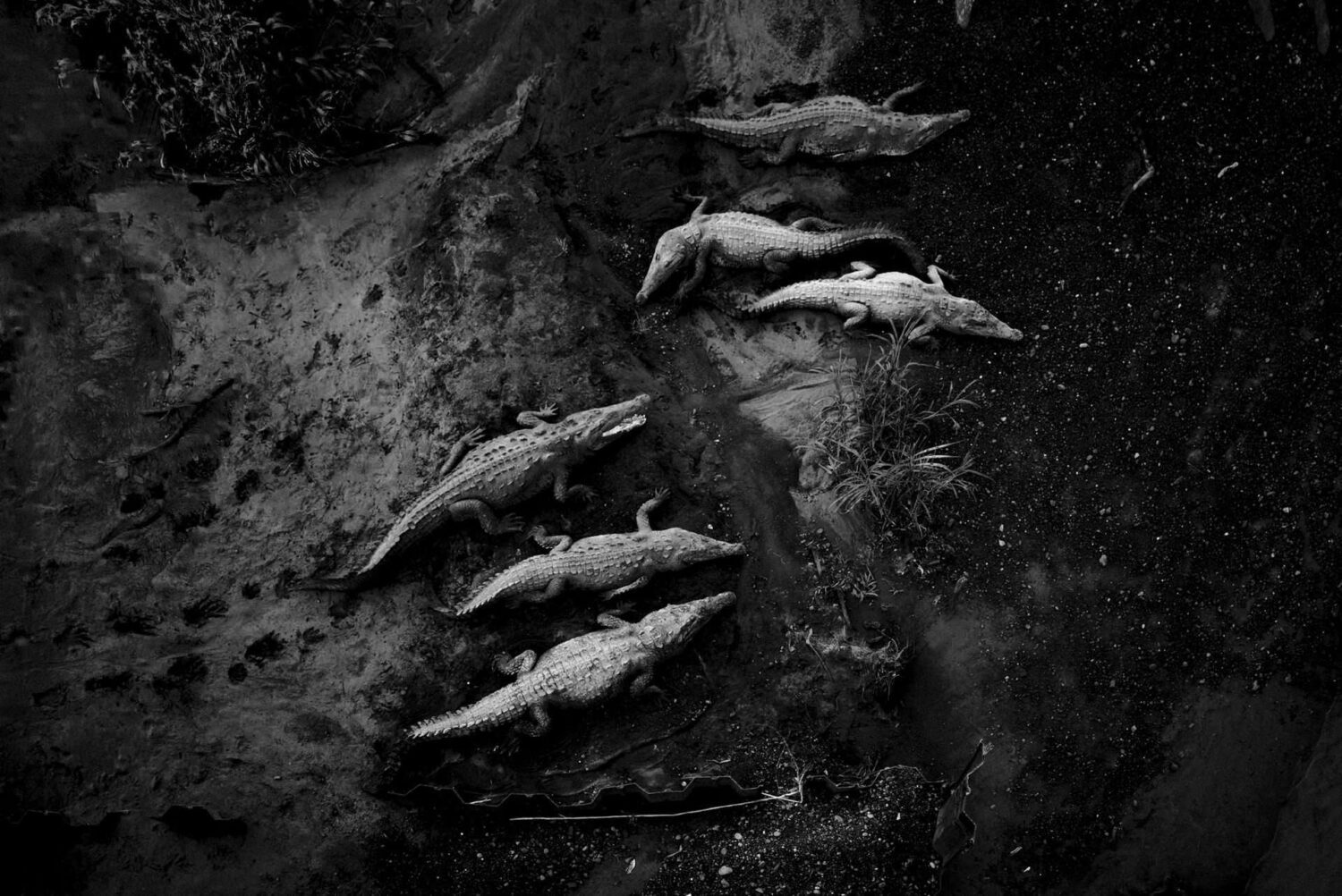
Tarcoles Crocodile Bridge Costa Rica
Tourism and Activities
Costa Rica caters for every kind of British traveller: zip-lining, white-water rafting, hot springs, coffee tours and cultural immersion in San José. The country pioneered adventure tourism in Central America, and the infrastructure reflects decades of experience welcoming international visitors.
Zip-lining originated here in the 1990s as a research tool before evolving into one of the country’s signature activities. Modern canopy tours combine adrenaline with education, guides explaining forest ecology between platforms. Some lines span over 750 metres, offering treetop perspectives impossible to gain otherwise.
White-water rafting caters to all skill levels. The Pacuare River ranks among the world’s most scenic, with Class III-IV rapids tumbling through pristine rainforest canyon. Multi-day trips camp riverside, falling asleep to the sound of rapids and howler monkeys. Gentler floats on the Sarapiquí suit families, combining manageable rapids with wildlife spotting.
Coffee tours reveal why Costa Rica’s beans command premium prices. British visitors can walk between plants learning to identify ripe cherries, watch processing from pulping to roasting, and taste the difference terroir makes. Many tours operate on family farms where generations have perfected cultivation, offering insights into both agriculture and Costa Rican culture.
San José, often dismissed by tourists rushing to beaches and rainforests, rewards those who linger. The capital’s museums house pre-Columbian gold, contemporary art, and fascinating exhibits on Costa Rican history. The National Theatre rivals European opera houses in grandeur, its coffee shop serving exceptional brews in ornate surroundings. Markets like the Mercado Central immerse visitors in daily life, with vendors selling everything from exotic fruits to traditional casado lunches.
Guardian Holidays markets it as a place where visitors can “see rainforest, wildlife and Caribbean beaches in one trip,” while The Times describes it as “a bucket-list adventure that rewards careful planning and early booking.” The diversity does mean choices: most visitors can’t experience everything in one trip, making careful itinerary planning essential.
Wanderlust itineraries emphasise the weather divide: “Pacific dry season: December to April; Caribbean drier: August to October.” Understanding these patterns helps British travellers time visits appropriately. Pacific beaches enjoy brilliant sunshine during European winter, making Costa Rica an appealing escape from British weather. The Caribbean coast follows different patterns, offering good conditions when the Pacific experiences afternoon rains.
Surfing culture pervades coastal areas, with breaks suitable for everyone from complete beginners to experienced surfers. Tamarindo offers surf schools with patient instructors, gentle waves, and a social scene. Santa Teresa attracts more serious surfers with powerful breaks and yoga retreats. The water stays warm year-round, requiring only board shorts or a spring suit.
The Stone Spheres in Costa Rica
Practicalities for UK Visitors
Getting There
Direct flights operate from London Gatwick to San José in around 11–12 hours. British Airways typically operates this route three times weekly during peak season, with aircraft configured for long-haul comfort. Alternatives connect via Madrid or US hubs, with Madrid connections through Iberia often proving economical for those willing to overnight in Spain.
US connections via Miami, Houston, or Newark offer numerous daily options, though they require clearing US immigration even for brief transits. European connections through Amsterdam or Frankfurt provide alternatives, particularly for travellers in northern England or Scotland who might prefer connecting flights over the long drive to Gatwick.
Regional airports like Manchester occasionally offer charter flights during peak season, worth monitoring for those in the north. Booking six to nine months ahead typically secures the best fares, with prices rising significantly within three months of departure.
Entry Requirements
As GOV.UK notes: “You can visit Costa Rica without a visa for up to 180 days under a tourist visa waiver.” British passport holders enjoy generous entry terms, among the most favourable for any Latin American destination.
Travellers must hold a return or onward ticket, proof often requested at check-in rather than arrival. Immigration officials may ask about accommodation arrangements and travel plans, though questioning is typically brief and courteous. Passport validity of six months beyond intended stay is recommended, though not strictly enforced.
Travel insurance is strongly advised. While Costa Rica’s healthcare is excellent, private clinics serving tourists charge international rates. Comprehensive insurance covering medical evacuation provides peace of mind, particularly for adventure activities.
When to Go
Costa Rica is year-round, but with distinct seasonal contrasts. Wanderlust notes: “March and April are considered the best months for a trip covering both coasts.” These shoulder months offer the best weather across the country, though they’re increasingly popular as word spreads.
The dry season (verano) runs roughly December through April on the Pacific side, coinciding with peak European winter. Hotels book solid over Christmas and Easter, requiring advance reservations. Wildlife viewing is excellent as animals concentrate around water sources. Dust on unpaved roads increases, and afternoon heat can be intense.
Green season (invierno), May through November, brings afternoon rains but hardly deserves being called winter. Mornings typically dawn clear, rains arriving like clockwork in late afternoon. The landscape explodes in green, rivers run full, and waterfalls reach maximum drama. Prices drop significantly, crowds thin, and many argue this is actually the best time to visit.
September and October see the heaviest rains, with some remote lodges closing. However, even these months offer viable travel, particularly to the Caribbean coast where the weather pattern differs. British visitors accustomed to drizzle will find tropical downpours more dramatic but shorter-lived, often clearing within hours.
Turtle nesting seasons add another consideration. Leatherbacks nest October through March on Caribbean beaches, while Pacific olive ridleys nest July through December. Witnessing arribadas (mass nestings) ranks among nature’s great spectacles, with thousands of turtles simultaneously coming ashore.
Nosara, Guanacaste Costa Rica
Weddings and Honeymoons

Costa Rica is increasingly popular for British couples marrying or honeymooning abroad. Condé Nast Traveller lists it among the world’s most desirable anniversary and honeymoon escapes, praising its “treehouses, natural hot springs and rainforests alive with exotic wildlife.”
The appeal is multifaceted: stunning natural backdrops for ceremonies, adventure activities for active couples, luxurious resorts for relaxation, and enough variety to please diverse guest lists. Beach ceremonies at sunset, rainforest clearings with waterfall soundtracks, or volcano-view terraces all provide dramatic settings impossible to replicate in Britain.
GOV.UK guidance is clear: “Find out the documents you’ll need to get married or form a civil partnership overseas.” Couples must comply with Costa Rican law, usually including two witnesses, and once validly performed, the marriage is recognised in the UK. Required documents typically include birth certificates, passports, and proof of marital status, all requiring apostille stamps. Many couples work with wedding planners who navigate the bureaucracy, allowing them to focus on celebration rather than paperwork.
Legal requirements include arriving in Costa Rica at least three days before the ceremony, allowing time for document processing. Most couples arrive earlier, combining wedding preparations with pre-wedding relaxation and guest activities.
Honeymoon possibilities range from adventurous to indulgent. Active couples might combine zip-lining, surfing lessons, and rainforest hikes with romantic dinners and couples’ spa treatments. Those seeking pure relaxation can find boutique hotels where the hardest decision is pool or beach, cocktail or massage.
The Independent frames Costa Rica as ideal for those who “want more than a beach holiday, blending romance with nature and adventure.” The country suits couples with varied interests, one might surf while the other does yoga, reuniting for sunset wildlife watching. This flexibility particularly appeals to British couples juggling different vacation preferences.
Multi-generational groups work well here too. Grandparents can relax by pools while younger generations tackle adventurous activities, everyone reconvening for shared meals and wildlife encounters accessible to all ages and fitness levels.
For more Costa Rica wedding guides and information, you can check our Costa Rica Weddings Blog the best source for deeper and detailed information about wedding photography and weddings in general.
Monteverde Costa Rica
Sustainability and Responsibility
Costa Rica’s green reputation is strong, but not without scrutiny. The Guardian has questioned whether its “green halo is fading,” citing agrochemical use, while still highlighting reforestation success. The banana and pineapple industries, crucial to the economy, rely heavily on pesticides and chemical fertilizers, creating runoff affecting both terrestrial and marine ecosystems.
Responsible travellers can make a difference through their choices. Selecting lodges with genuine sustainability credentials, solar power, water conservation, waste management, local employment, ensures tourism supports rather than undermines conservation. The country’s Certification for Sustainable Tourism (CST) programme rates hotels and operators, though independent research helps separate greenwashing from authentic commitment.
Condé Nast Traveller celebrates the country’s hospitality sector: “From hidden eco-lodges to famed beachside addresses, our editors round up the best hotels in Costa Rica.” The best properties integrate seamlessly into their surroundings, minimising environmental impact while maximising guest comfort. Many operate as reserves themselves, protecting significant acreage while showing guests why conservation matters.
Eco-lodges pioneered by Costa Rican visionaries decades ago set standards the world now emulates. Properties like Lapa Rios and Pacuare Lodge combine luxury with conservation, proving that protection and profit can coexist. Guests pay premium rates, but the money funds extensive private reserves, employs local communities, and demonstrates that standing forest has more value than cleared pasture.
For British readers, the lesson is balance: embrace Costa Rica’s pioneering conservation efforts, but support responsible operators and lodges to ensure travel has a positive impact. Ask questions about sustainability practices before booking. Choose locally owned businesses when possible. Avoid operators offering irresponsible wildlife encounters — no sloth selfies, no captive animals exploited for entertainment.
Volunteer tourism has gained popularity, but quality varies enormously. Legitimate programmes address genuine needs and provide proper training. Questionable operations create work to justify volunteer fees. Research thoroughly, favour established organisations with transparent operations, and ensure your skills match the need rather than assuming good intentions suffice.
Marine conservation deserves particular attention. Costa Rica’s coasts face pressures from overfishing, pollution, and development. Choosing operators practising responsible wildlife viewing, maintaining distance from dolphins and whales, not feeding or harassing animals, protects these populations. Many British visitors find witnessing natural behaviour far more rewarding than forced interactions anyway.
Conclusion
For British visitors, Costa Rica offers a rare mix: biodiversity, safety, political stability and cultural warmth. Whether for a wedding, honeymoon, family adventure or wildlife-focused holiday, it remains one of the world’s most rewarding destinations.
The country’s combination of natural wonders and developed tourism infrastructure creates a sweet spot rarely found elsewhere. You can experience genuine wilderness without sacrificing comfort, encounter extraordinary wildlife without enduring hardship, and feel confident about safety and logistics in ways challenging elsewhere in Latin America.
British travellers consistently cite Costa Ricans’ friendliness as a highlight. The Pura Vida ethos isn’t marketing spin but genuine cultural optimism and warmth. English proficiency in tourist areas smooths communication, though learning basic Spanish enhances interactions and opens doors to more authentic experiences.
Costa Rica works for various travel styles and budgets. Backpackers find hostels and local buses economical. Mid-range travellers balance comfort and cost with excellent boutique hotels. Luxury seekers discover world-class resorts rivalling anywhere globally. Importantly, all these travellers share access to the same natural treasures — the rainforest, beaches, and wildlife don’t discriminate by budget.
As The Guardian neatly put it: “Costa Rica is a small country with a big message.” That message, that conservation and development needn’t conflict, that happiness matters more than GDP, that protecting nature protects humanity, resonates particularly strongly with British visitors increasingly concerned about travel’s impact.
The country isn’t perfect. Overdevelopment threatens some coastal areas. Traffic around San José can be nightmarish. Popular sites sometimes feel crowded. But these imperfections don’t diminish Costa Rica’s fundamental appeal or its achievements in conservation and quality of life.
For first-time visitors to Central America, Costa Rica provides an ideal introduction: accessible, safe, beautiful, and welcoming. For seasoned travellers, it offers depth and variety rewarding repeated visits. Either way, most British visitors leave already planning their return, understanding why Costa Rica inspires such loyalty among those who’ve experienced its particular magic.



0 Comments