

A Street Photography Essay Unveiling the Spirit of the Andes
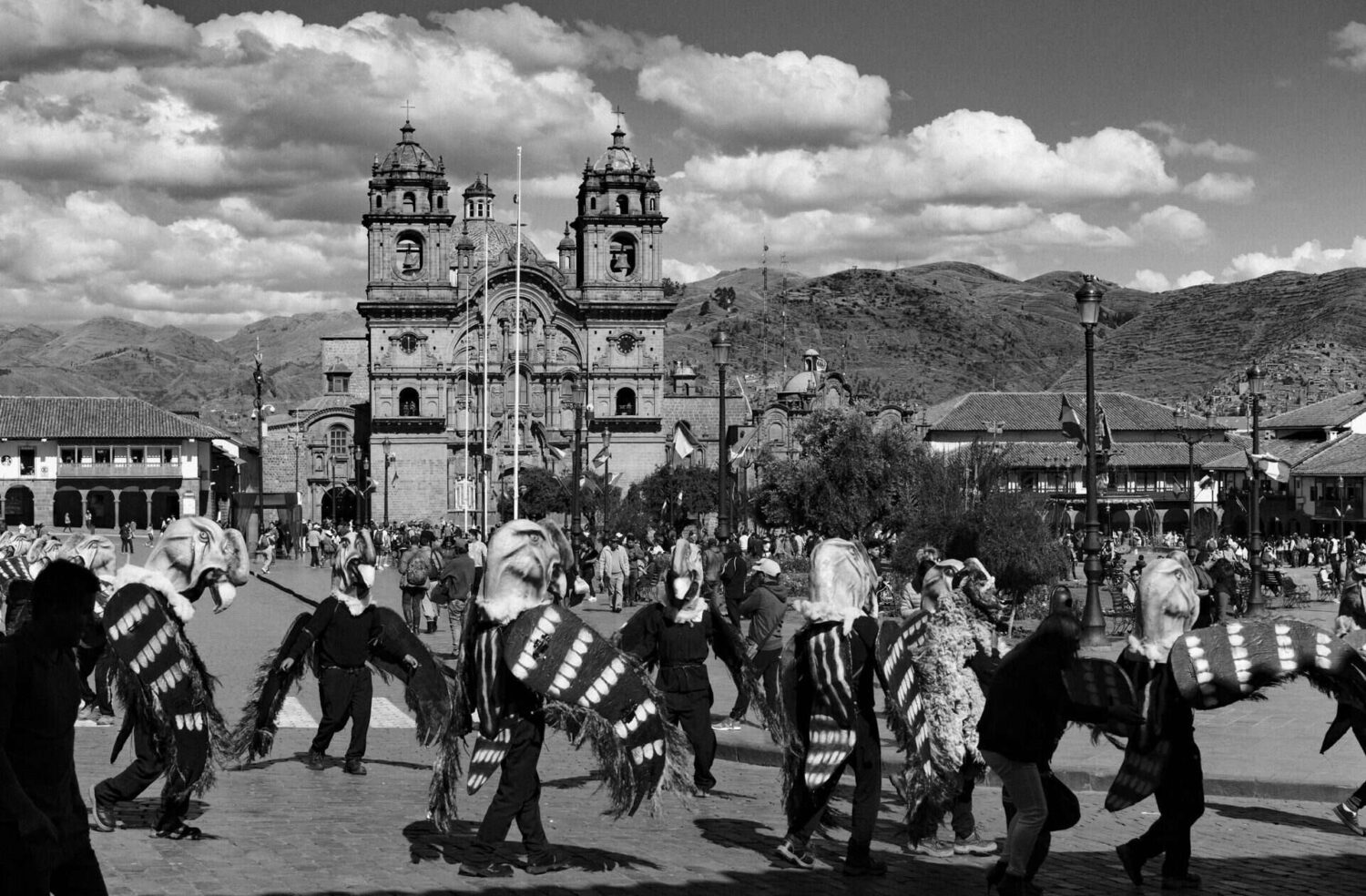
Cusco Street Photography. The air in Cusco is thin, but the atmosphere is thick with history. Every cobblestone street, every sun-drenched plaza whispers tales of ancient empires and colonial conquests. It’s easy to arrive in the “navel of the world” as a passive observer, pointing your camera at the magnificent ruins of Sacsayhuaman or the golden walls of Coricancha. But what if your camera could be more than a tool for documentation? What if it could be a key—a reason to look closer, to connect, and to feel the vibrant pulse of life in the heart of the Andes?
This photo essay is a glimpse into that possibility. It’s an exploration of Cusco street photography as an antidote to passive tourism. The world is full of stories waiting to be seen, and street photography pulls you out of your head and into the present moment. It’s about tuning into the human element that can be so incredibly energizing. And discovering that the true spirit of a place lives not in its stones, but in its people.
The Allure of the Ancient Capital: Setting the Scene in Cusco

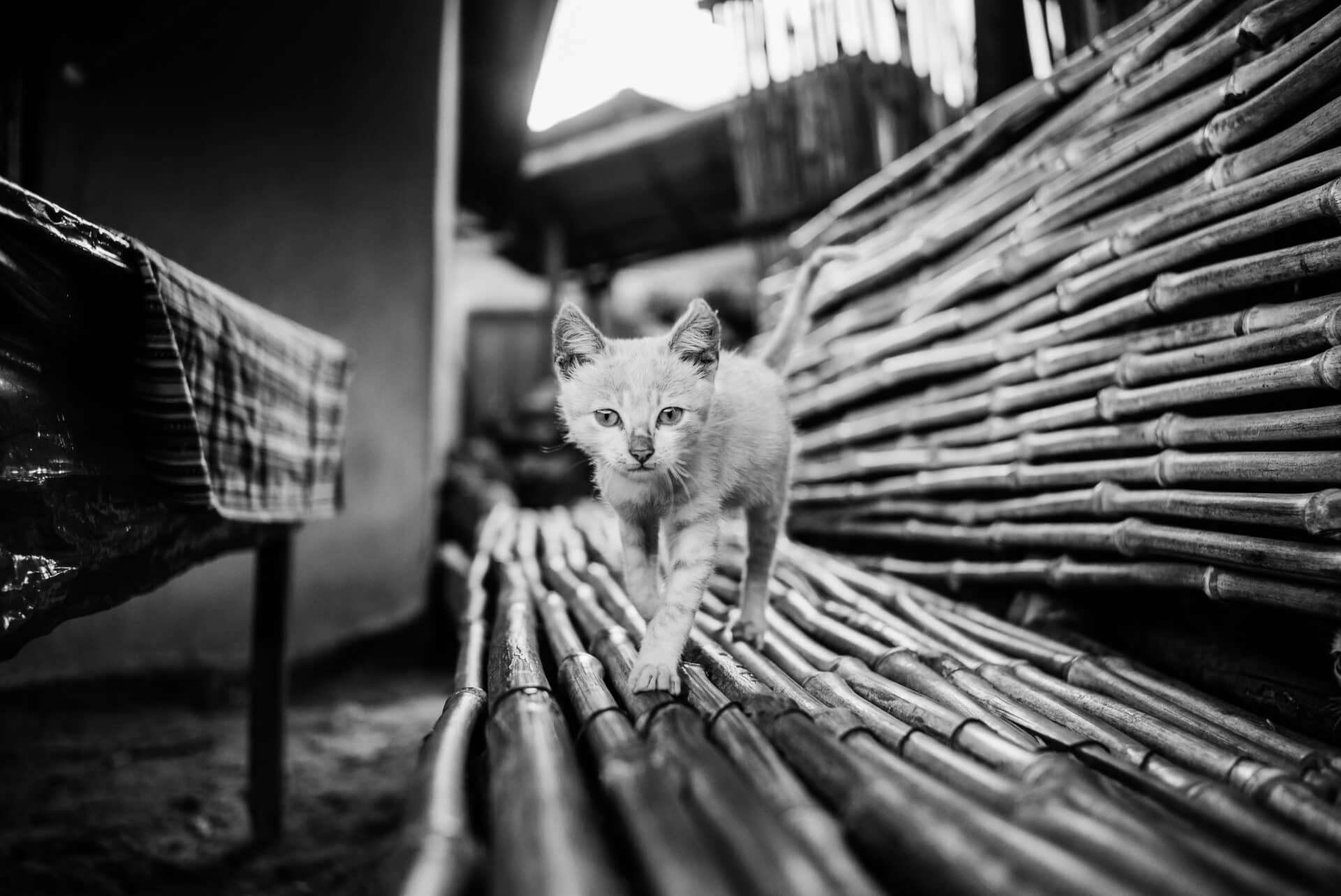
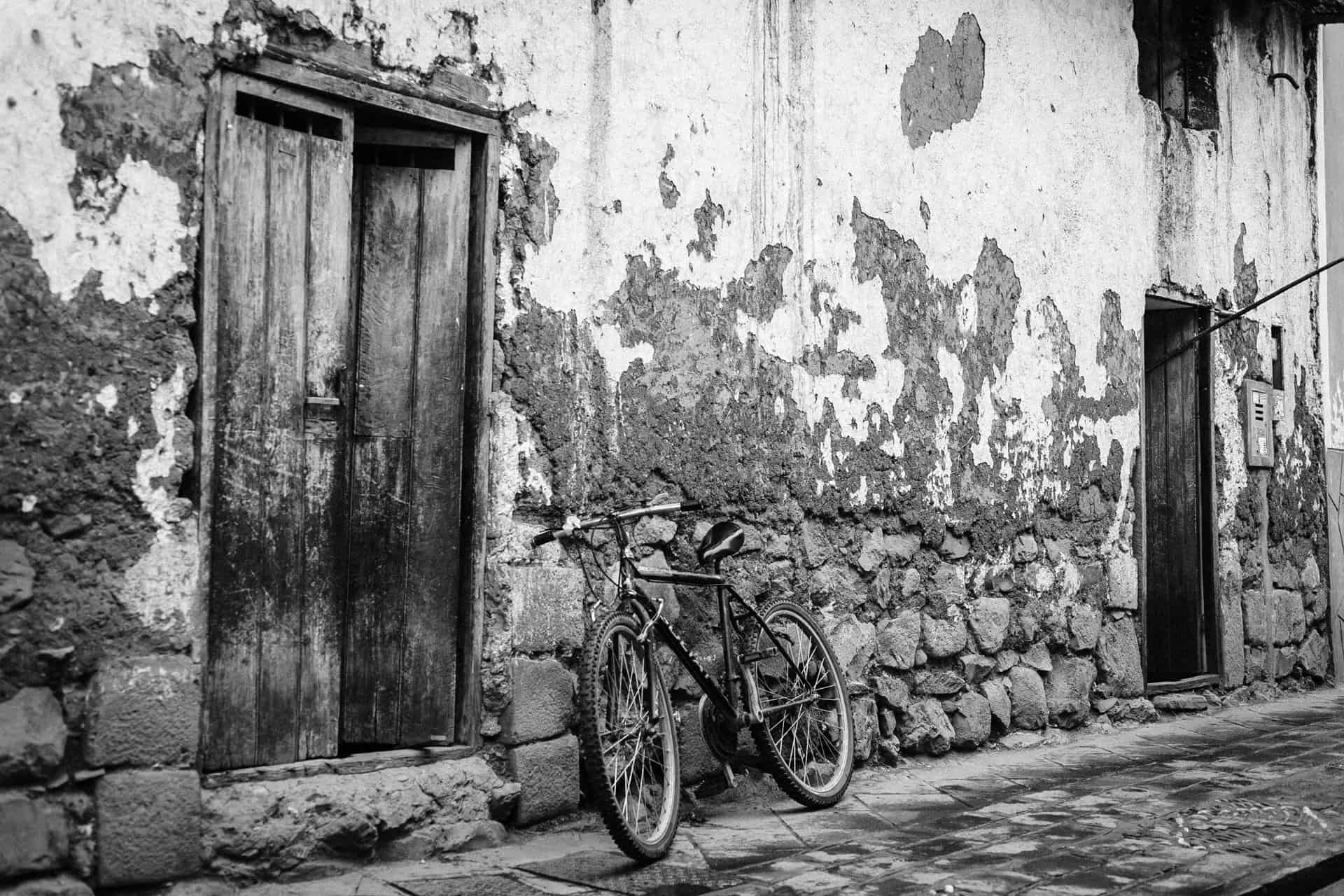
Cusco, the sacred capital of the Inca Empire, is a photographer’s dream. The city itself is a living museum, a canvas where monumental Inca stonework serves as the foundation for ornate Spanish colonial architecture. Wandering through the San Blas neighborhood, you’ll find narrow alleyways opening into courtyards. Where the brilliant colors of hand-woven textiles catch the high-altitude sun.
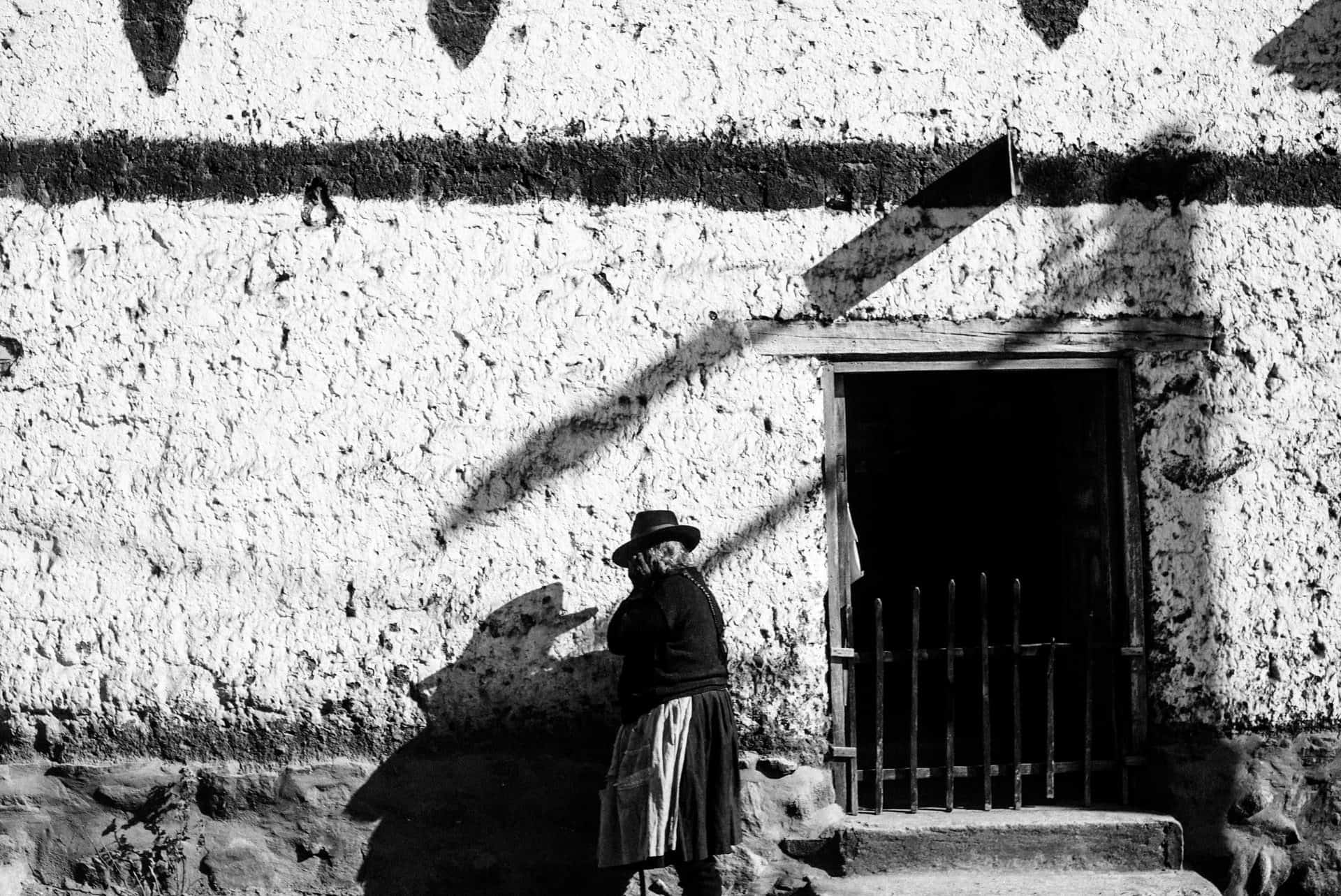
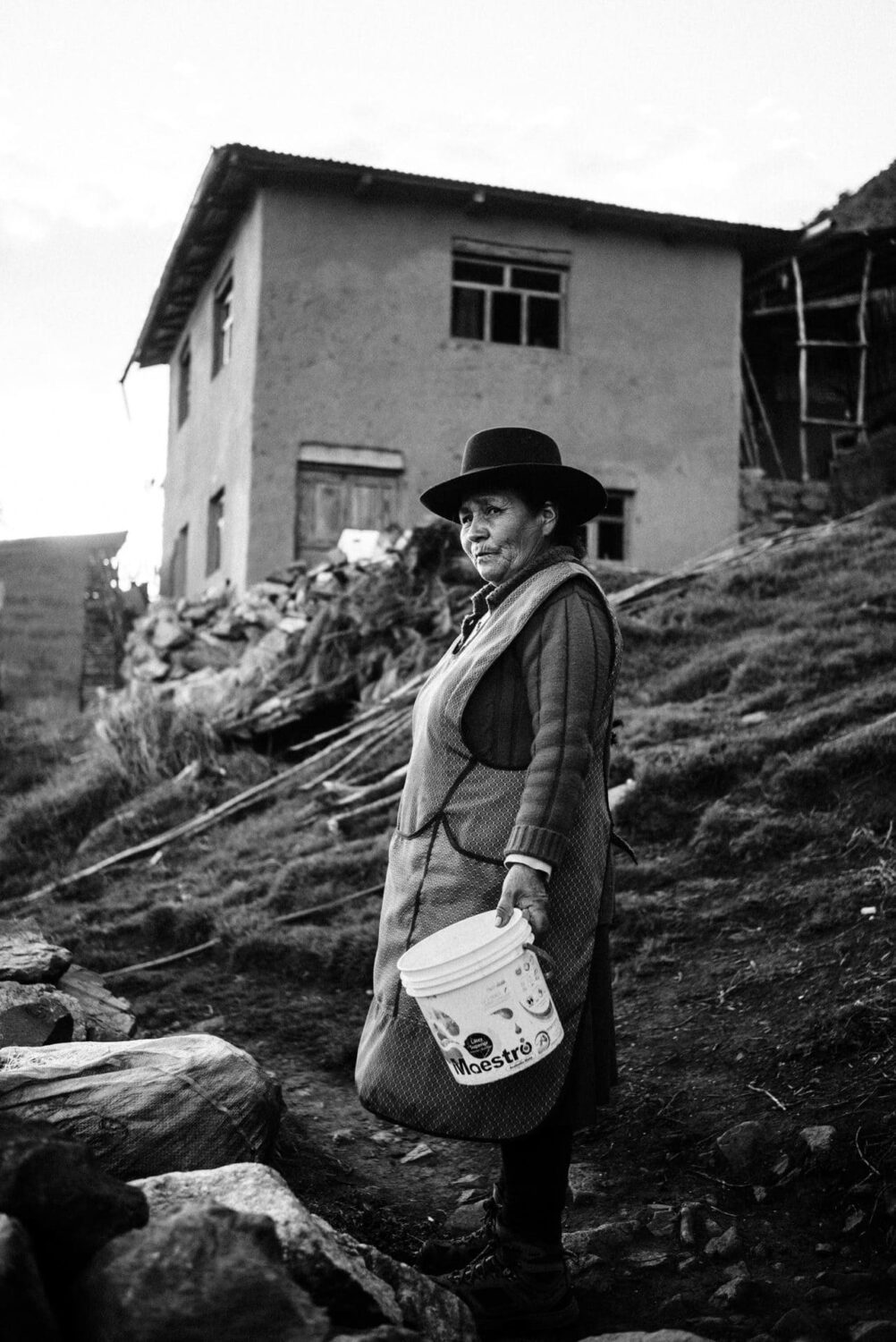
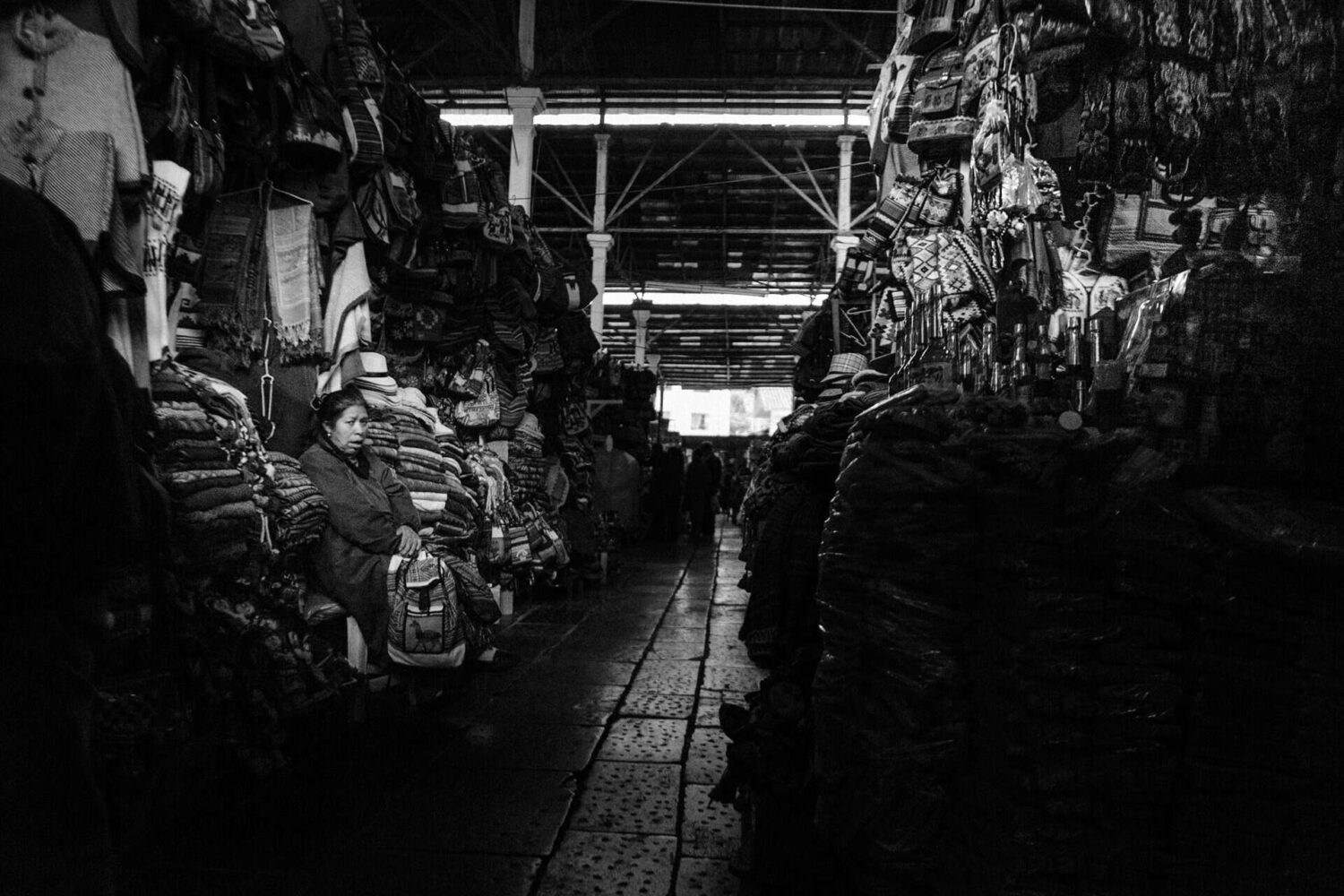
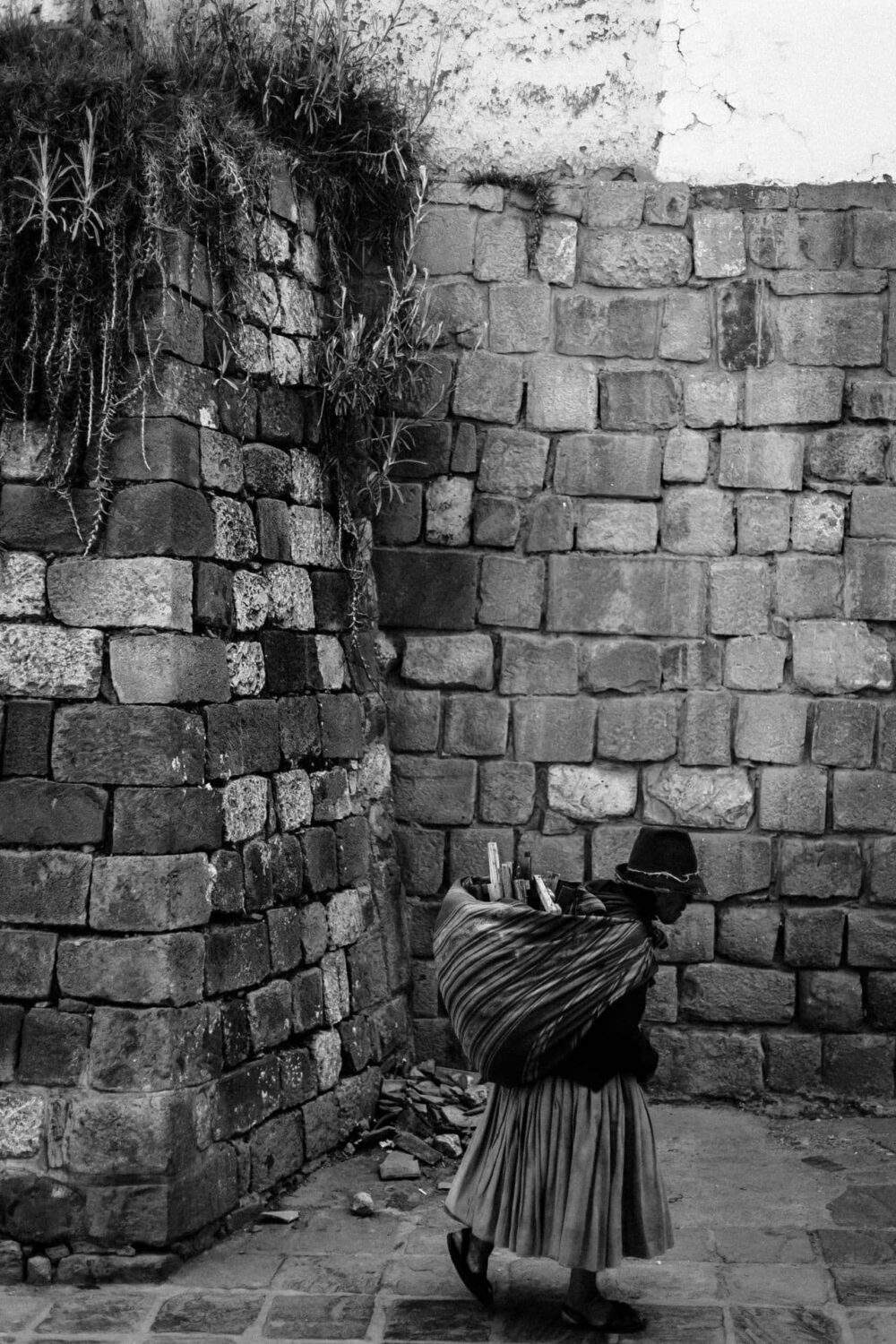
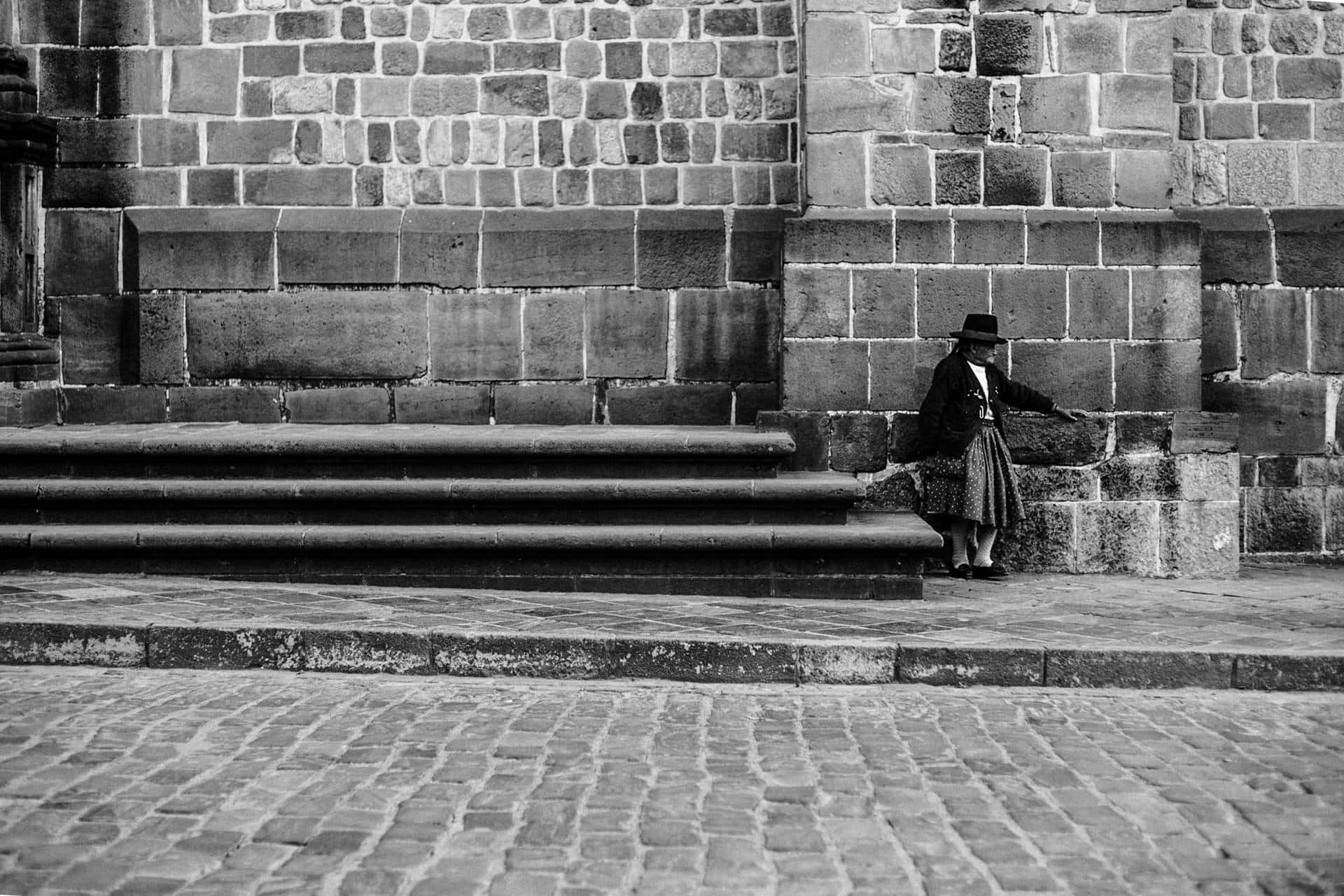
The visual richness is overwhelming. Market stalls overflow with strange and wonderful produce, women in traditional polleras (skirts) and monteras (hats) navigate the bustling streets. And the dramatic Andean light constantly reshapes the city’s landscape. This is the stage, but the most compelling stories are the ones that unfold upon it every single day.
From Passive Observer to Active Participant: The Thrill of Street Photography
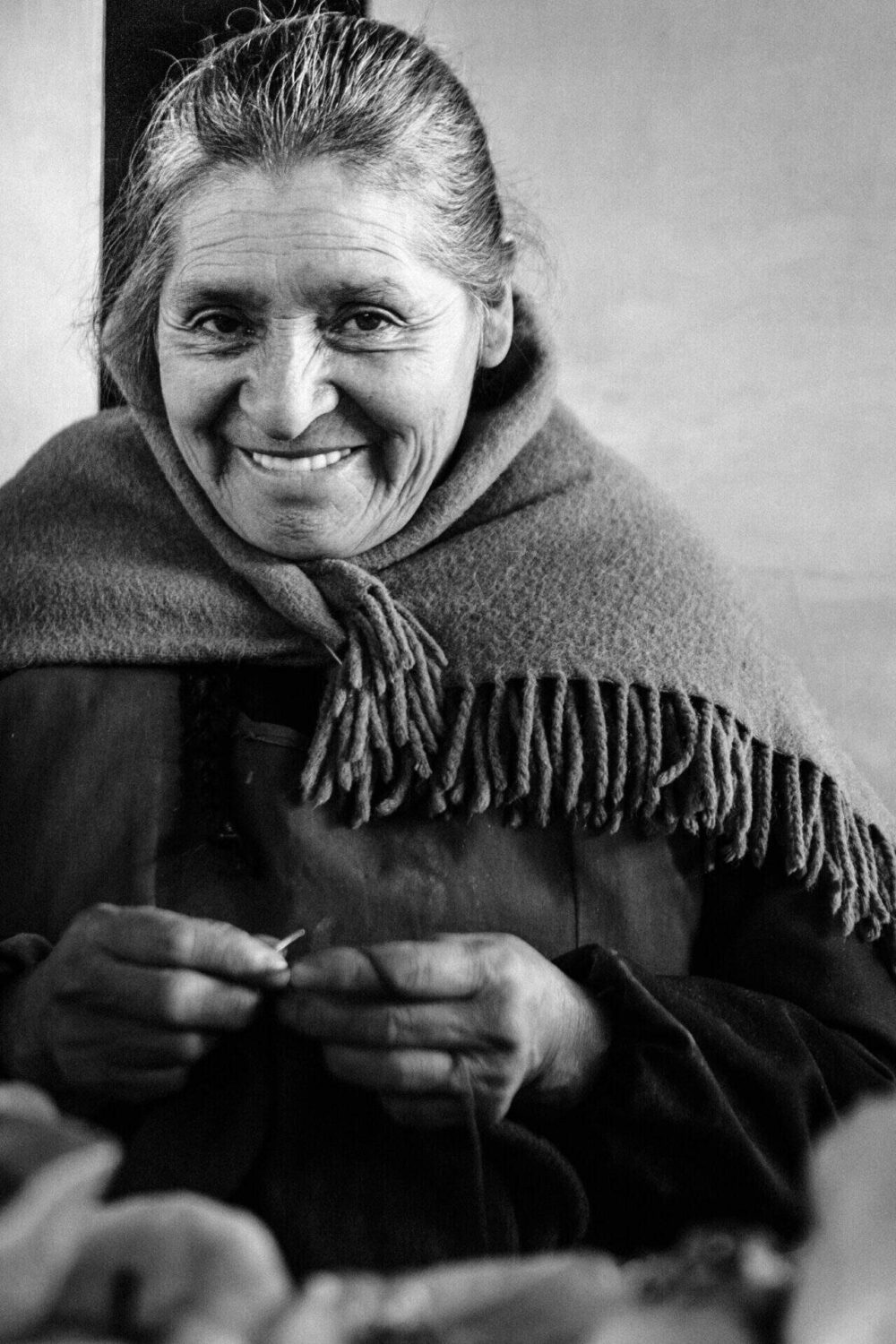
For many, the act of street photography is a “thrill plain and simple,” a “form of meditation” that forces you to be present. Instead of just walking through a scene, you begin to actively seek out moments of connection, emotion, and quiet beauty. You start noticing the world.
This shift from looking to truly seeing is transformative. The hesitation and shyness that many photographers feel when first pointing a camera at a stranger gives way to a sense of curiosity and adventure. It becomes less about “taking” a picture and more about participating in the life of the street. Each frame is the result of a decision to engage with the world, turning a simple walk into a deeper search for meaning and connection. If you’re looking for more inspiration on this approach, our guide on ethical street photography can help you start your journey.
Capturing the Faces of Cusco: Portraits and Connections
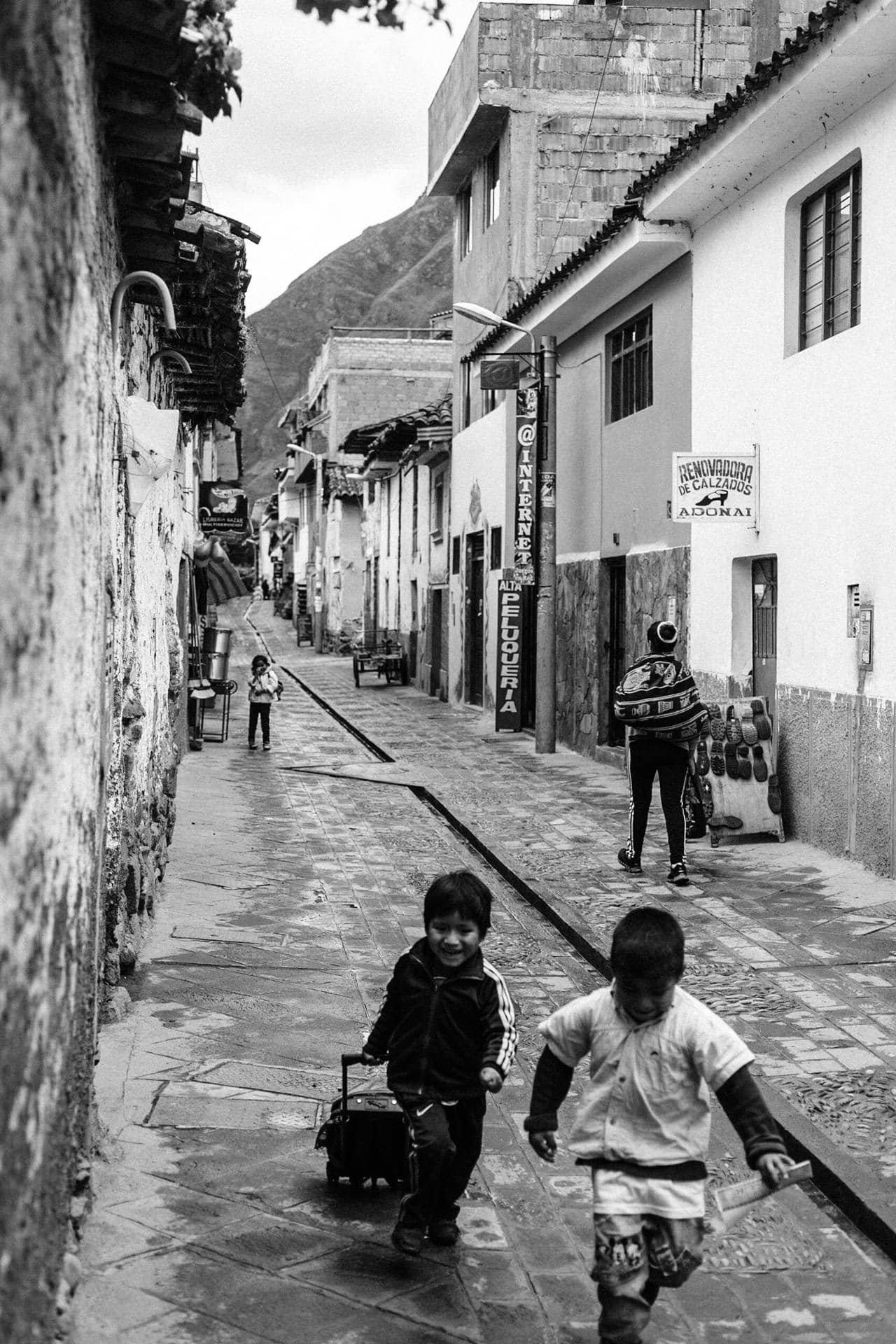
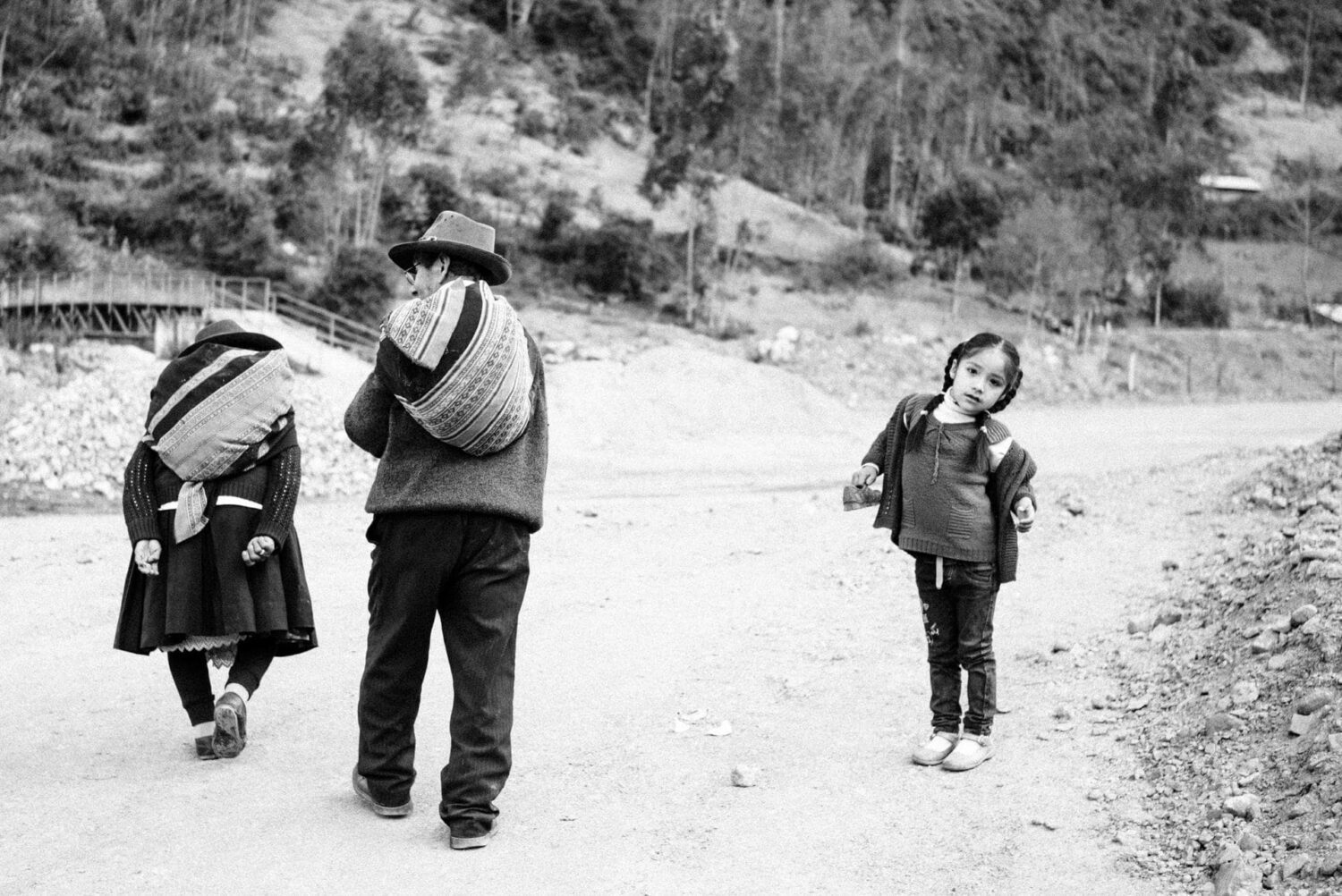
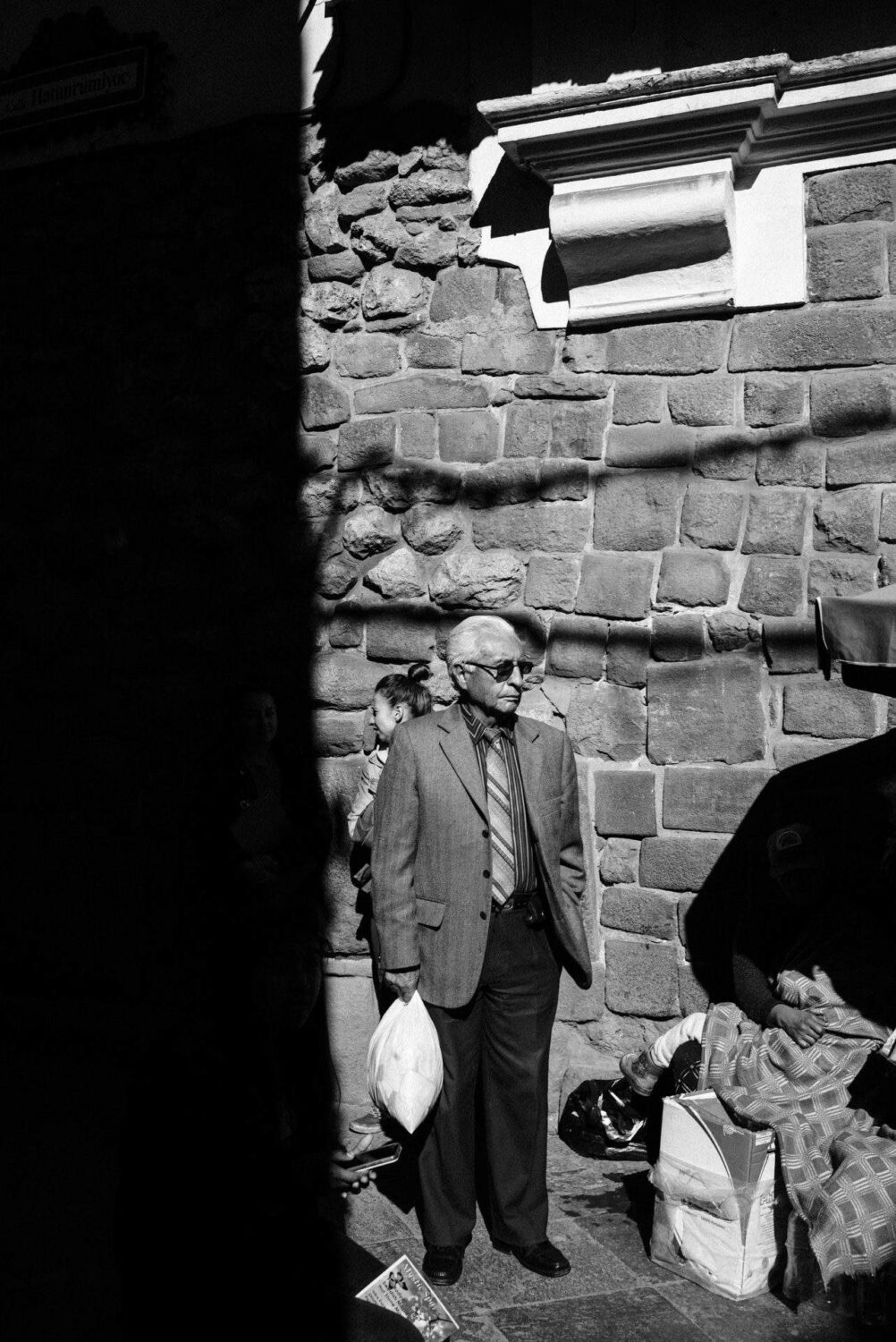
The true heart of Cusco beats in its people. Creating Andes cultural photos is about capturing the dignity, resilience, and warmth of its inhabitants. While some moments are best captured candidly, seeking to remain an “invisible” observer, some of the most powerful interactions come from direct engagement.
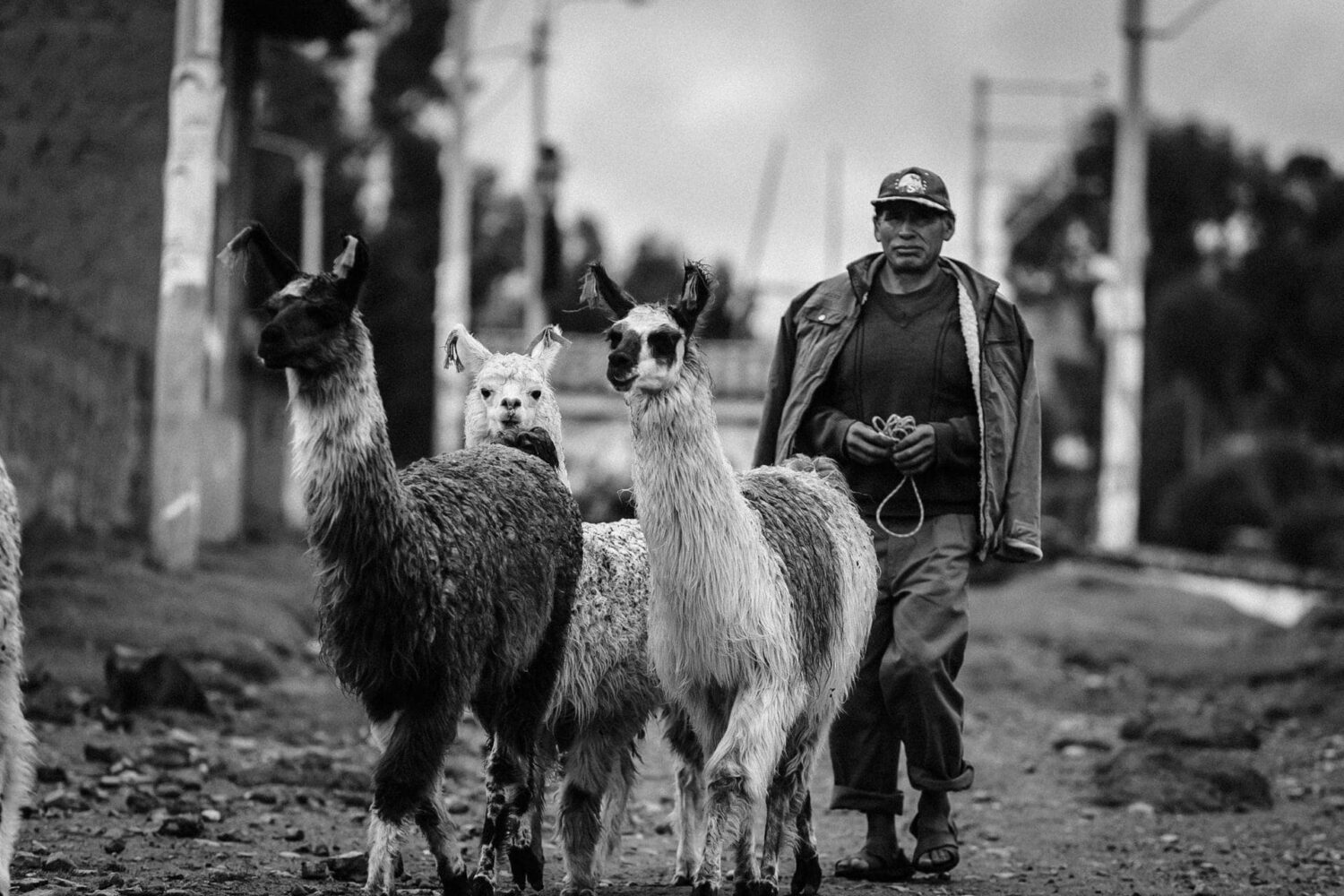
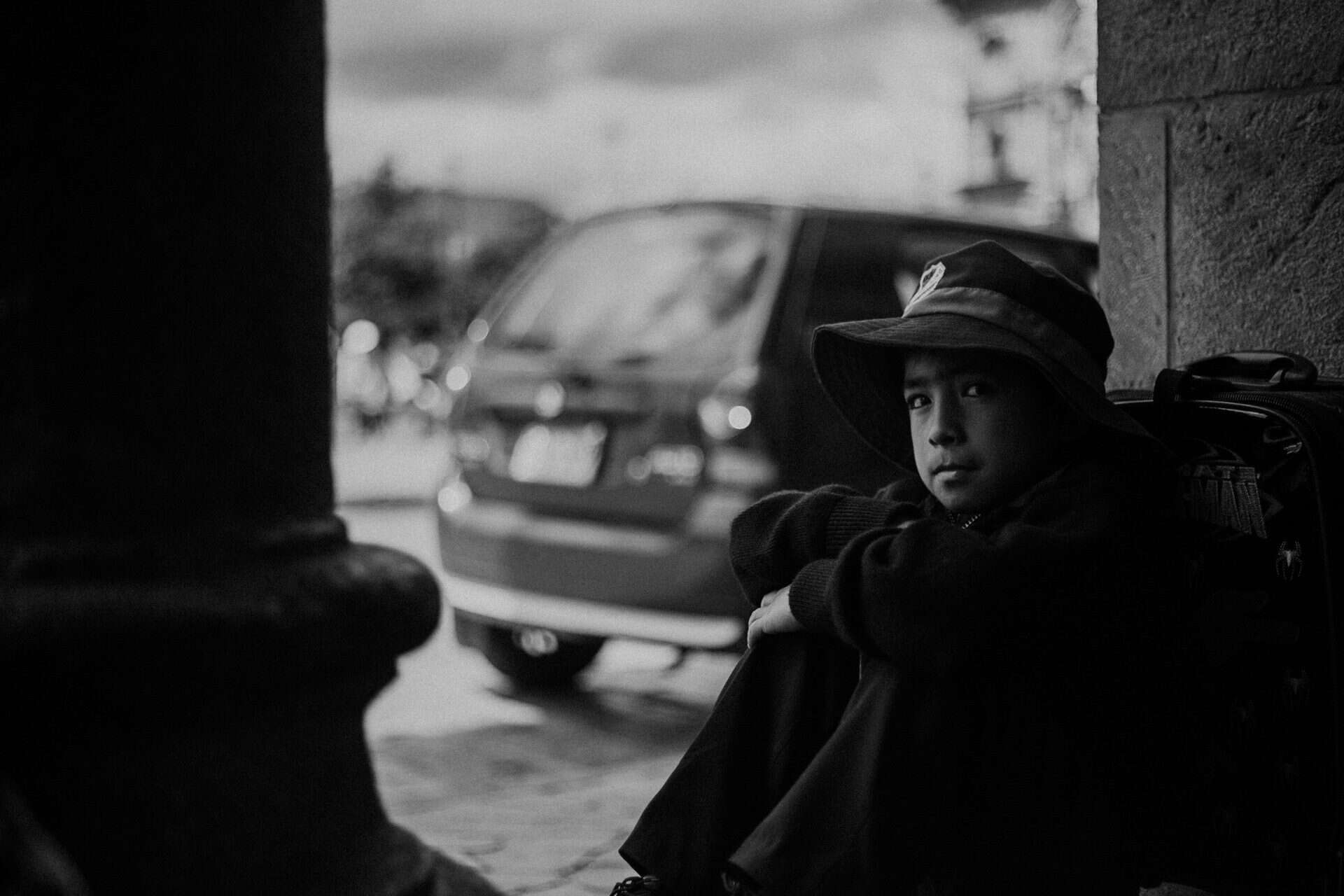
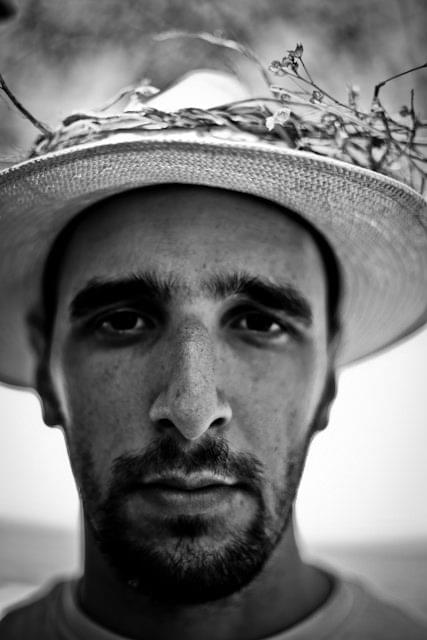
Approaching someone with a smile and a genuine interest can transform the photographic process into what photographer Sara Messinger calls an “exchange of hearts.” Carrying a small album of your work or simply being ready to show the person the photo you just took on your camera’s screen can build instant rapport. Suddenly, you’re not just a tourist; you’re sharing a moment. Whether it’s the weathered face of a potato farmer in the market or the joyful laugh of a child playing in the Plaza de Armas, these portraits become collaborations—shared stories frozen in time.
The Living Culture: Beyond Portraits into Daily Life
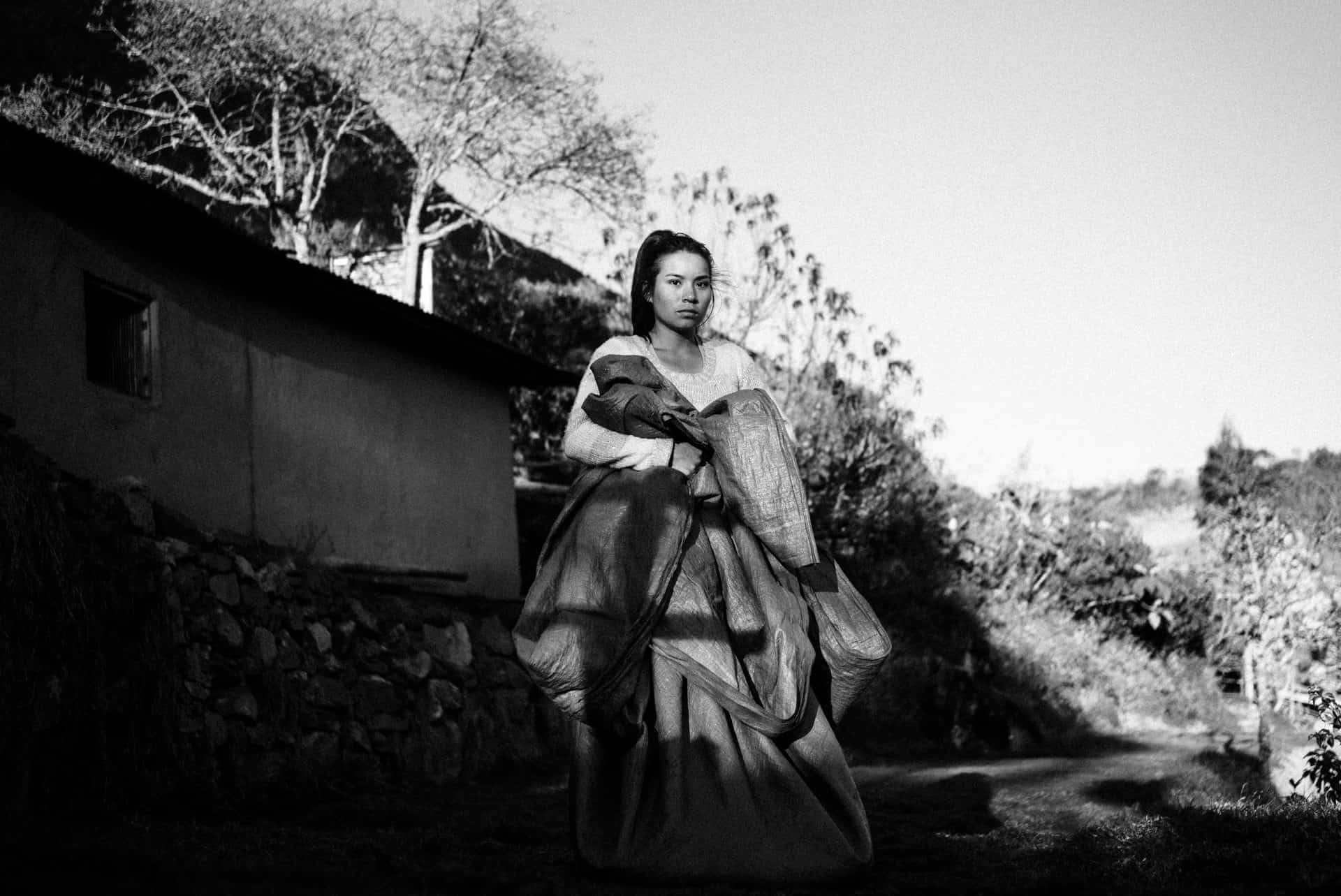
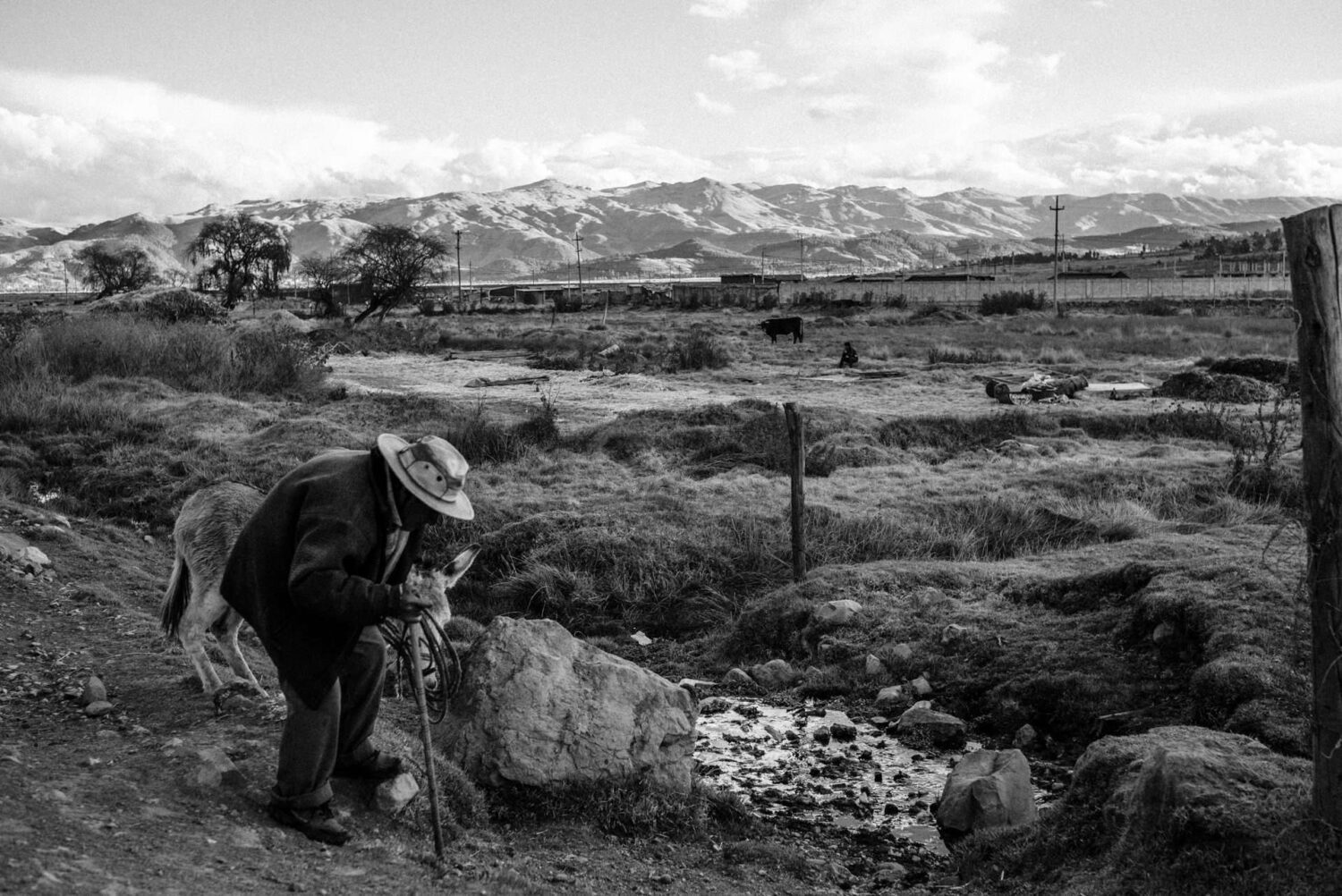
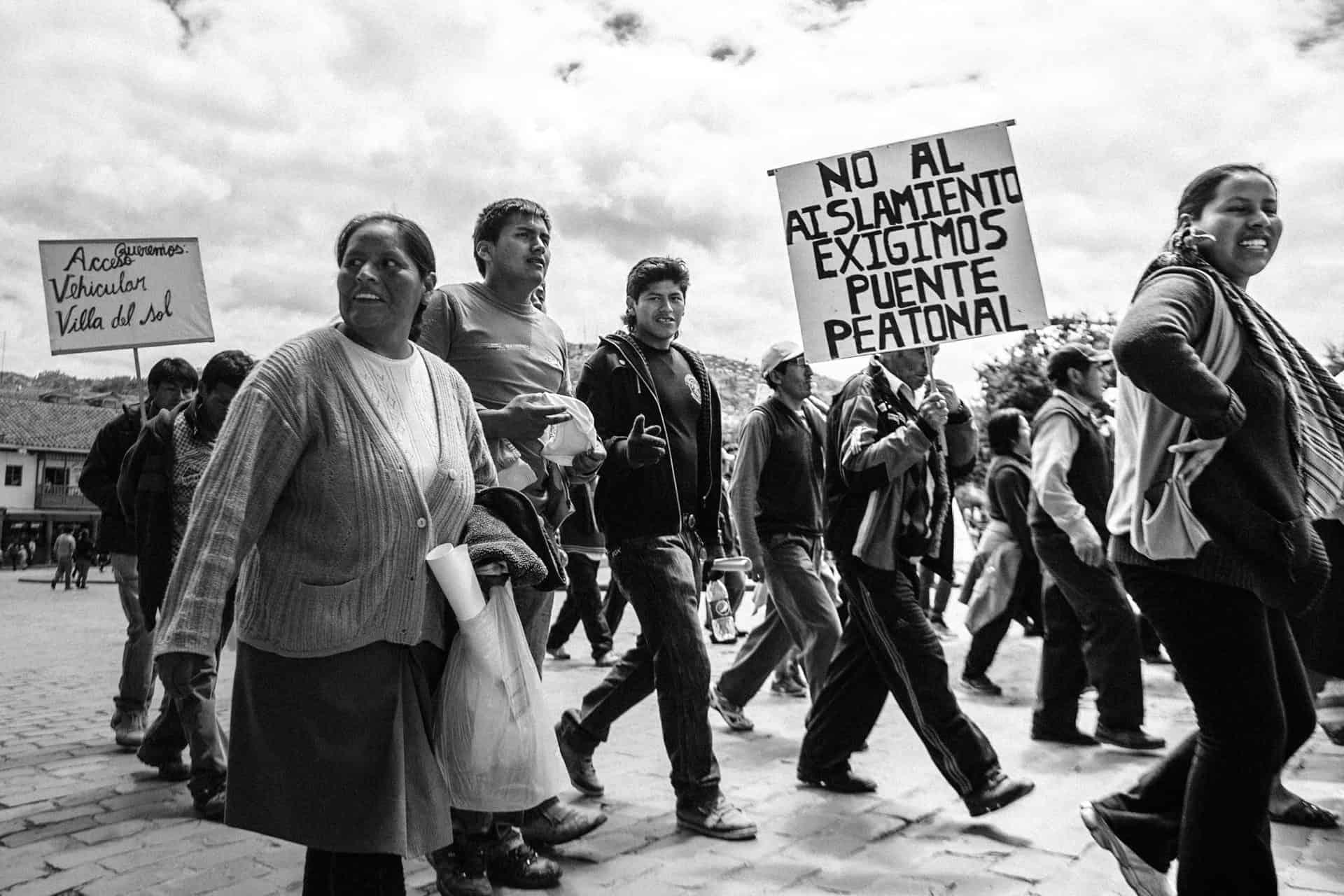
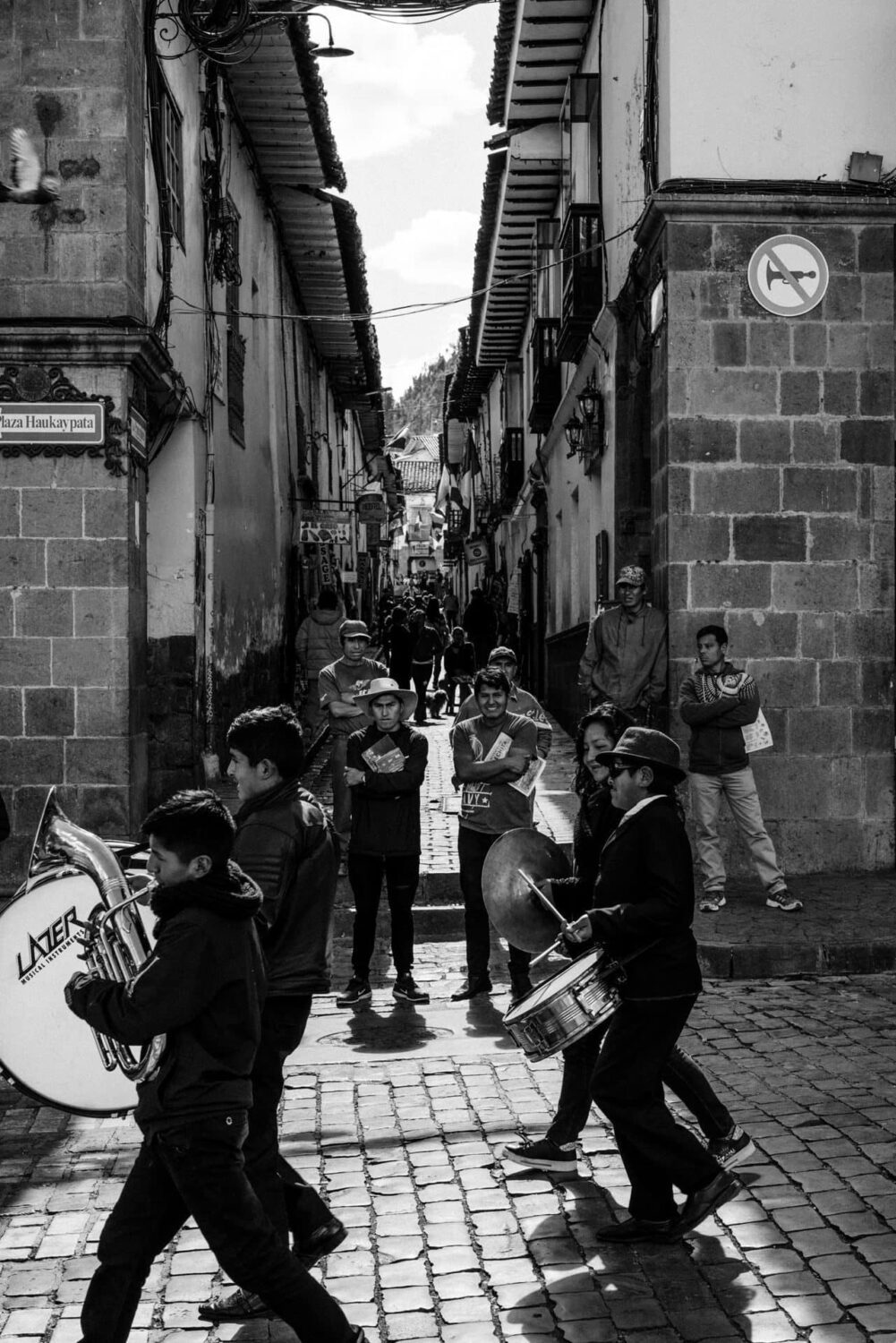
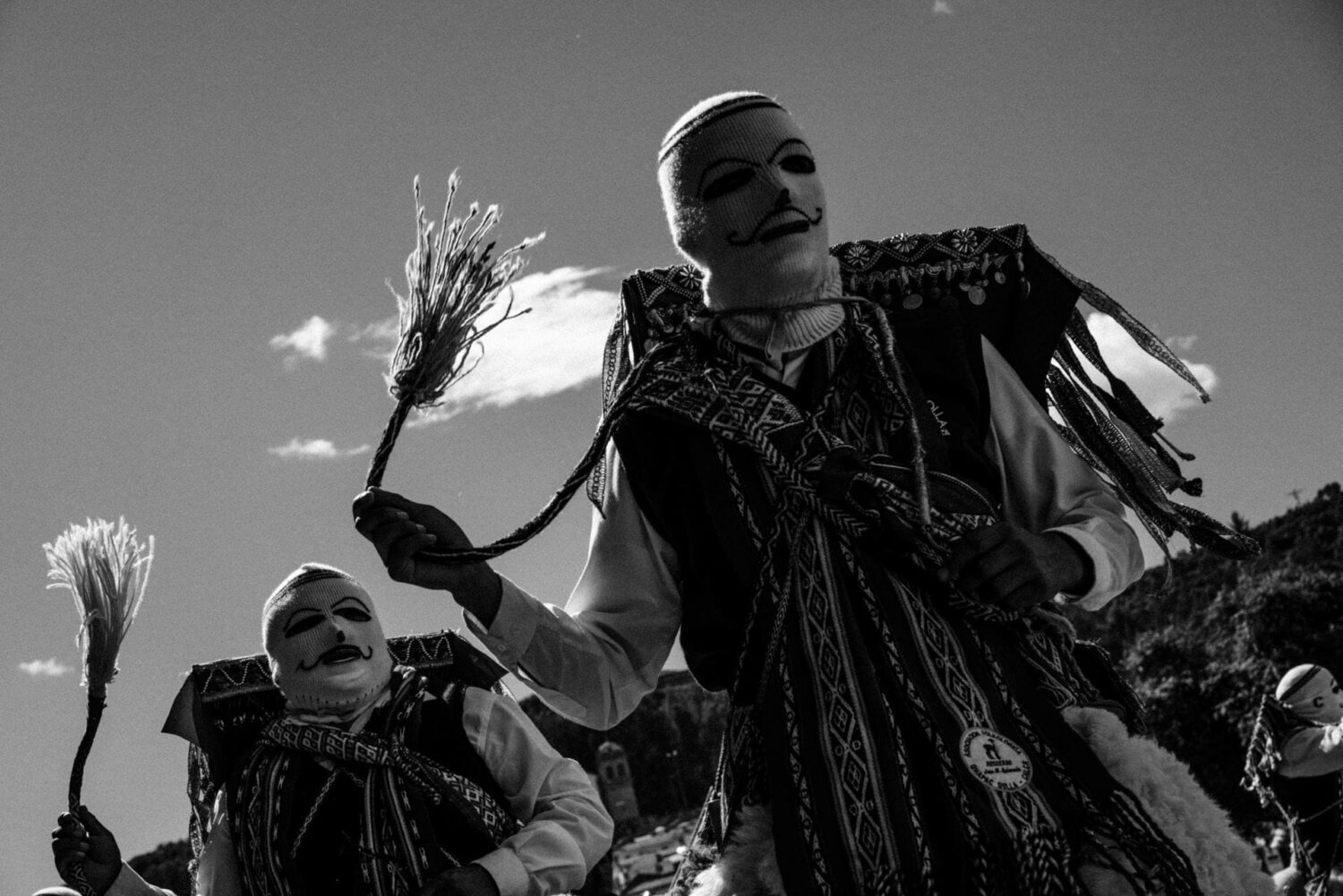
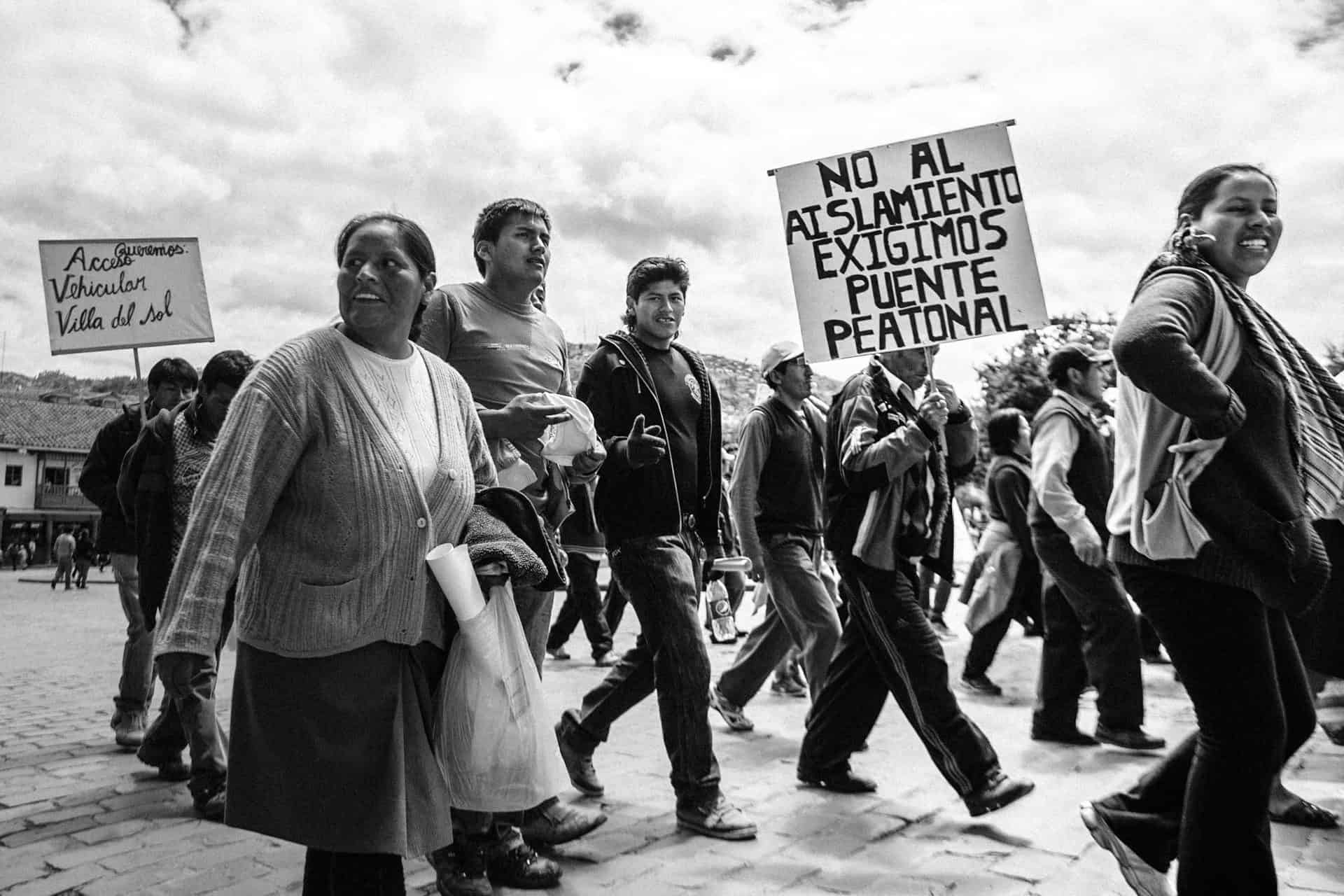
Street photography is the perfect medium to document a culture in motion. In Cusco, this means capturing the unique blend of ancient Andean traditions and modern Peruvian life. It might be a shot of an artisan meticulously carving a wooden frame in a San Blas workshop. Or a wide view of a religious procession where Catholic iconography mingles with indigenous symbols.
It’s about noticing the details, like the famous painting of the Last Supper in the Cusco Cathedral where a roasted cuy(guinea pig) is served, a nod to local gastronomy. These images tell a richer story, showing how culture is not a static relic but a constantly evolving force that shapes every aspect of daily existence. For a deeper dive into the city’s historical context, you can explore its status as a UNESCO World Heritage site.
A Photographer's Guide: Tips for Your Own Cusco Adventure
If you’re inspired to try your hand at Cusco street photography, here are a few tips to get you started.
Reading the Environment
Respect is your most important tool. Be aware of your surroundings and the local customs. Before you even lift your camera, take time to acclimate—not just to the 3,400m (11,152 ft) altitude, but to the rhythm of the city. A smile and a simple “buenos días” go a long way.
Gear and Settings
You don’t need a massive camera. A small, unobtrusive camera with a versatile prime lens (like a 35mm or 50mm) is perfect for blending in. The light in Cusco can be harsh and contrasty, so be prepared to shoot early in the morning or late in the afternoon for softer, more golden light.
Building Rapport
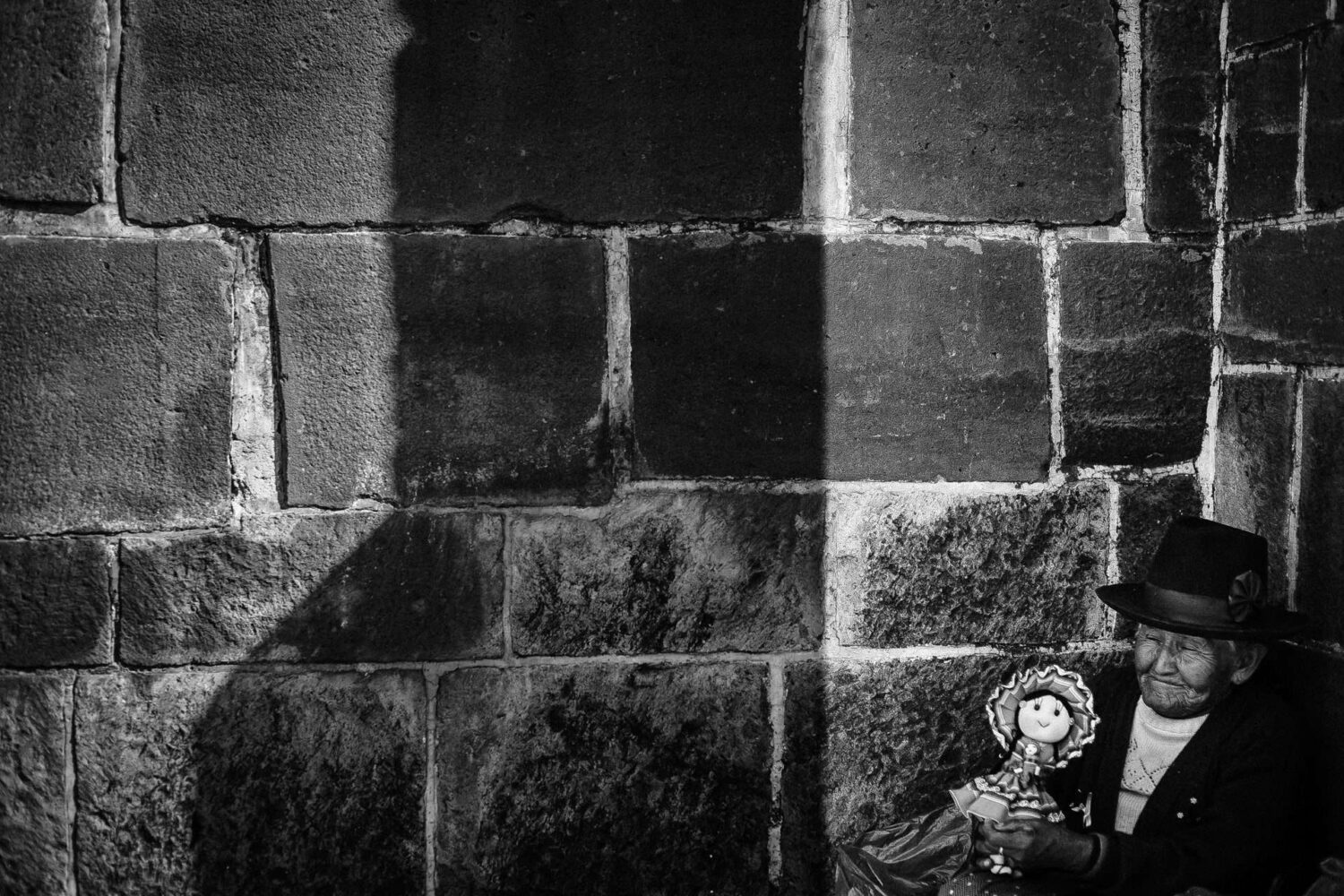
For portraits, always try to ask for permission. A simple “¿Puedo tomar una foto, por favor?” is usually enough. Be prepared for some people, especially elderly women in traditional dress, to ask for a small tip (propina) of a few soles. It’s a small price for a shared moment and a beautiful portrait. The goal is a positive interaction that honors the person you are photographing.
Conclusion
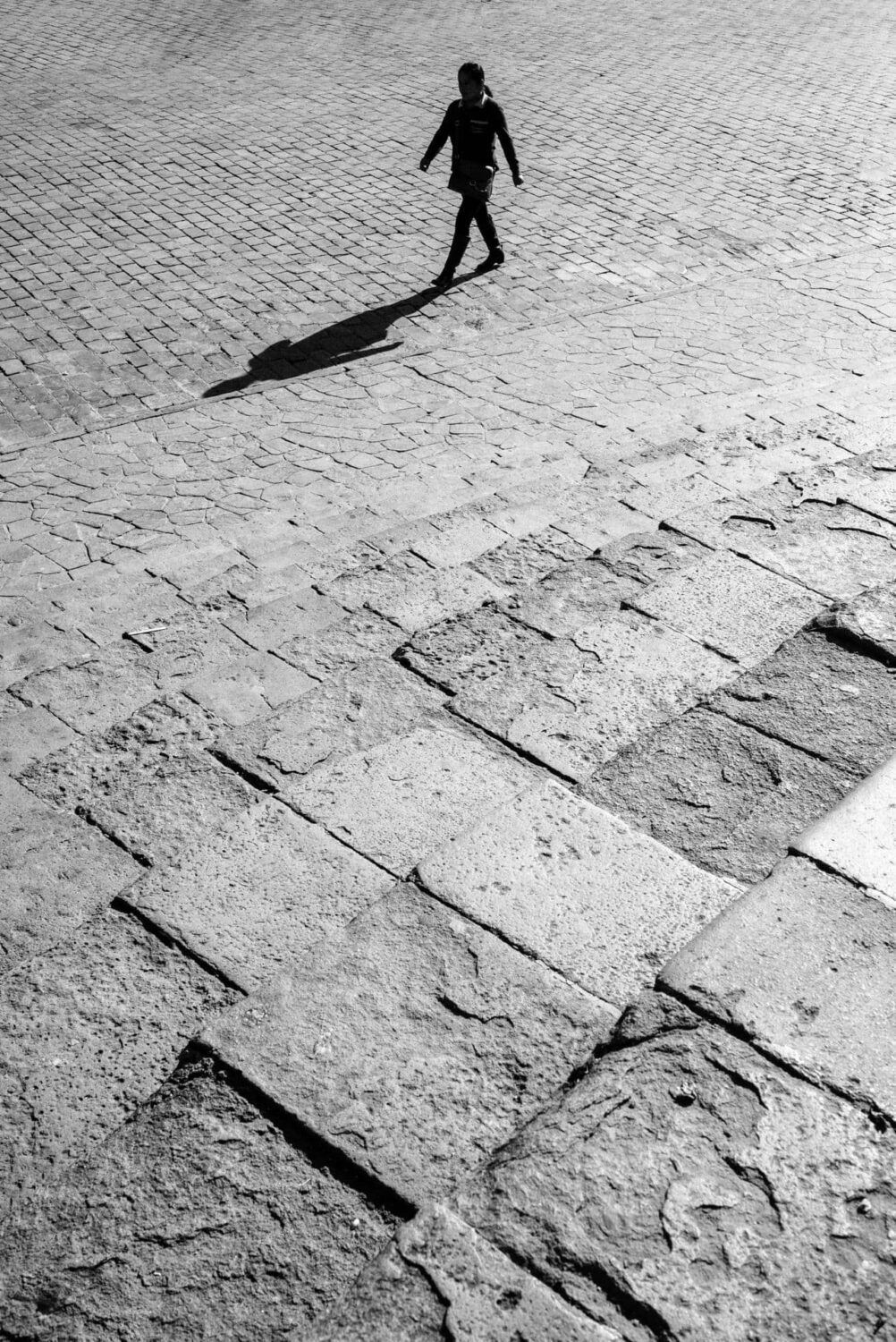
A journey through the streets of Cusco with a camera in hand is more than a photo expedition; it’s an invitation to connect. It’s a way to peel back the layers of a city known for its epic history and discover its living, breathing soul. By shifting from a passive tourist to an active observer, you don’t just come home with beautiful images of Cusco street photography—you come home with stories, connections, and a more energized perspective on the world.
If this journey has inspired you, explore more street photography from around the world here and get inspired to look closer at the world around you.
Have you practiced street photography in Cusco or the Andes?
Share your experiences and tips in the comments below!
Frequently Asked Questions about Cusco Street Photography
Q1: Is it safe to do street photography in Cusco?
A1: Yes, Cusco is generally safe for tourists and photographers. However, always be aware of your surroundings, especially in crowded markets like San Pedro. It’s wise to not flaunt expensive gear and to be respectful of personal space.
Q2: Do you need permission to photograph people in Cusco?
A2: While legally permissible in public spaces in Peru, it’s an ethical gray area. For close-up portraits, it’s always best to ask for permission (“¿Puedo tomar una foto?”). Many locals, particularly those in traditional attire in tourist-heavy areas, may expect a small tip (a few soles). Always be respectful if someone declines.
Q3: What is the best lens for street photography in Cusco?
A3: A versatile prime lens like a 35mm or 50mm is excellent. They are small, unobtrusive, and perform well in various light conditions, from bright plazas to narrow, shady streets. A small zoom lens (e.g., 24-70mm) can also be useful for capturing both wide street scenes and tighter details.

0 Comments