
Coffee Production in Tarrazú, Costa Rica
In the highlands of Tarrazú, coffee is more than a crop. It is history, identity, and daily labor shaped by generations. This project, produced in collaboration with Coopetarrazú, documents the human side of Costa Rica’s coffee production, from pickers in steep mountain fields to the researchers working toward more sustainable practices in a changing climate.
Coffee, Labor, and Change in the Highlands of Tarrazú
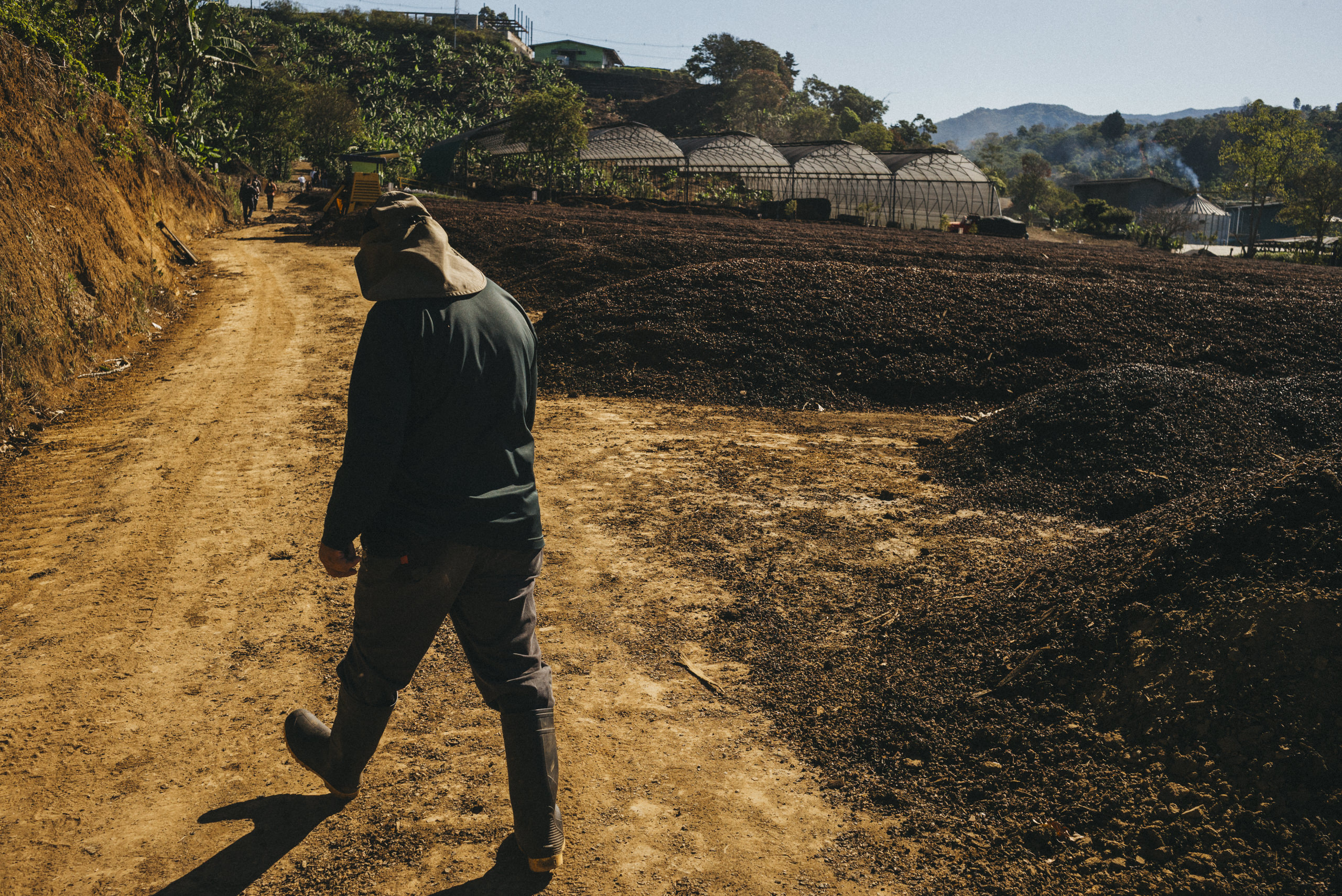
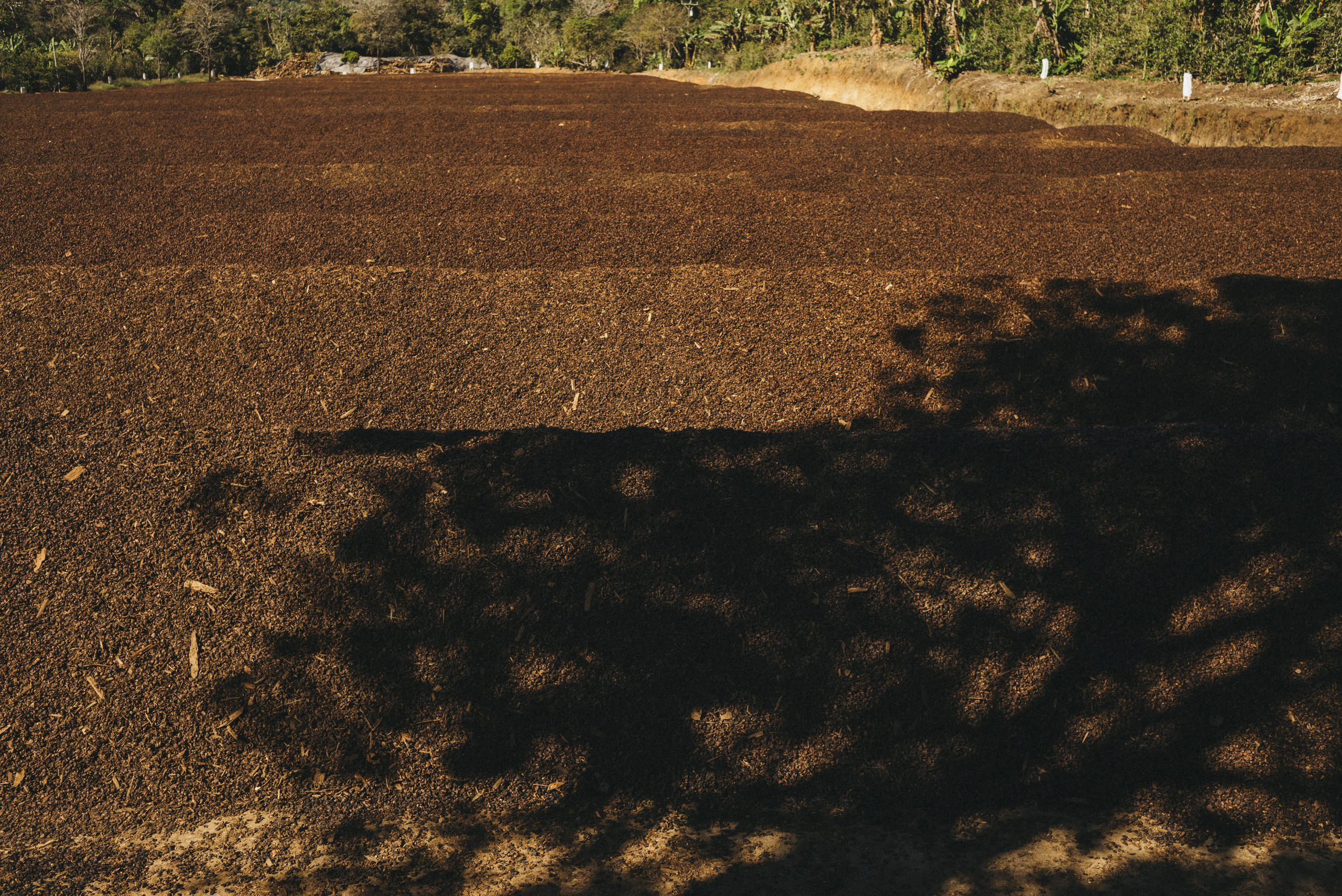
For more than two centuries, coffee has shaped Costa Rica’s social and economic landscape. In Tarrazú, one of the country’s most important producing regions, that history is still visible in the terrain and in the routines of the people who work it.
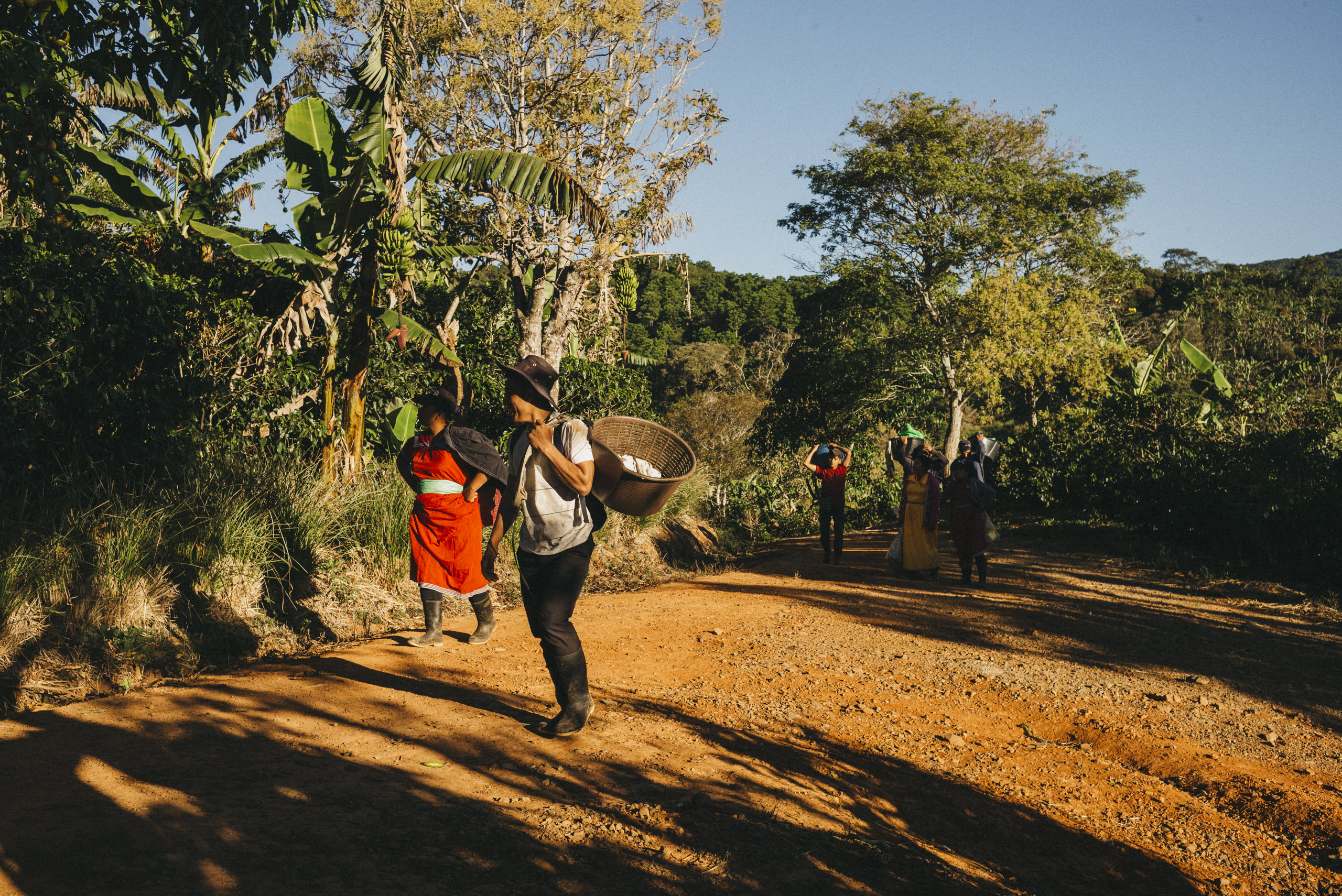
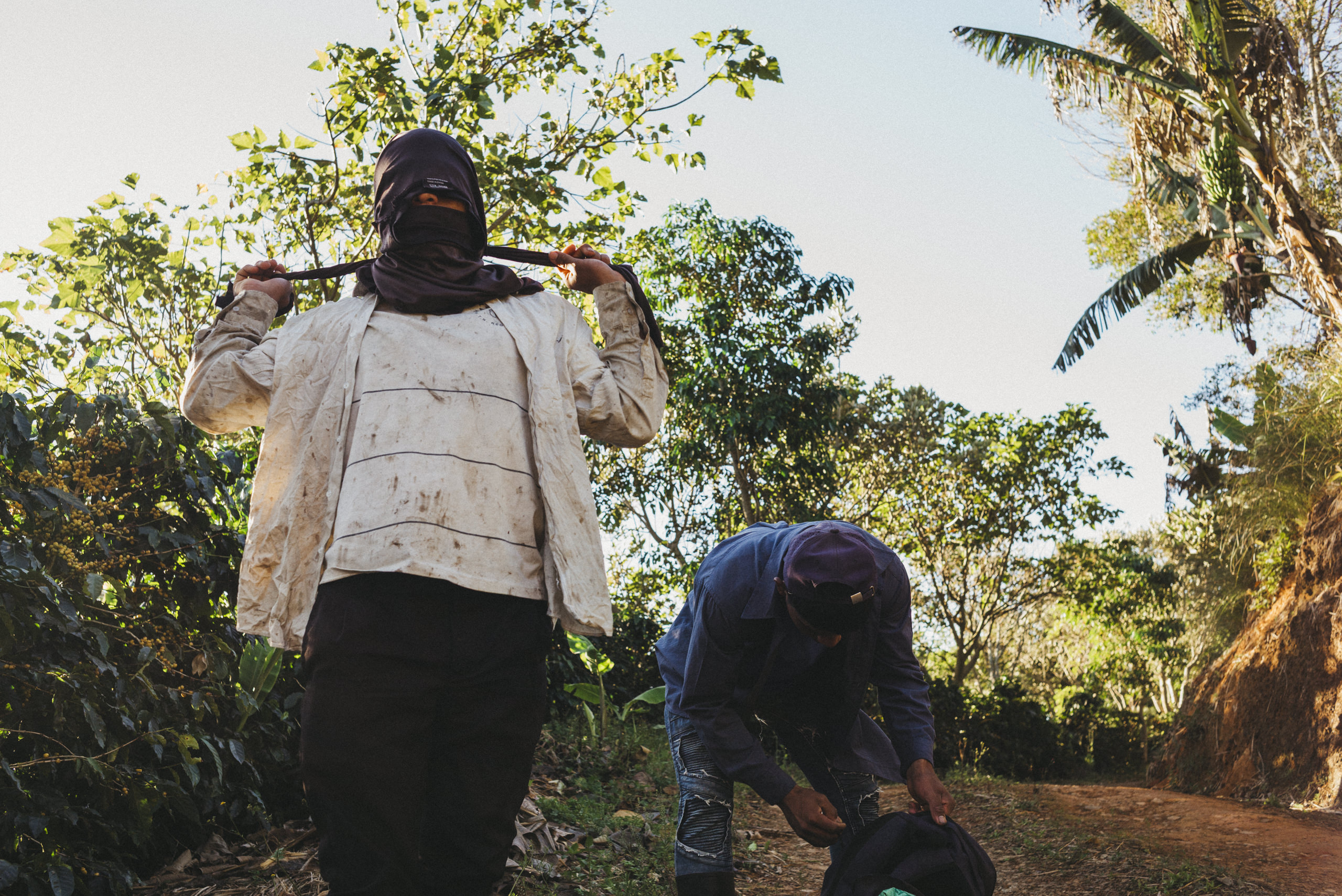
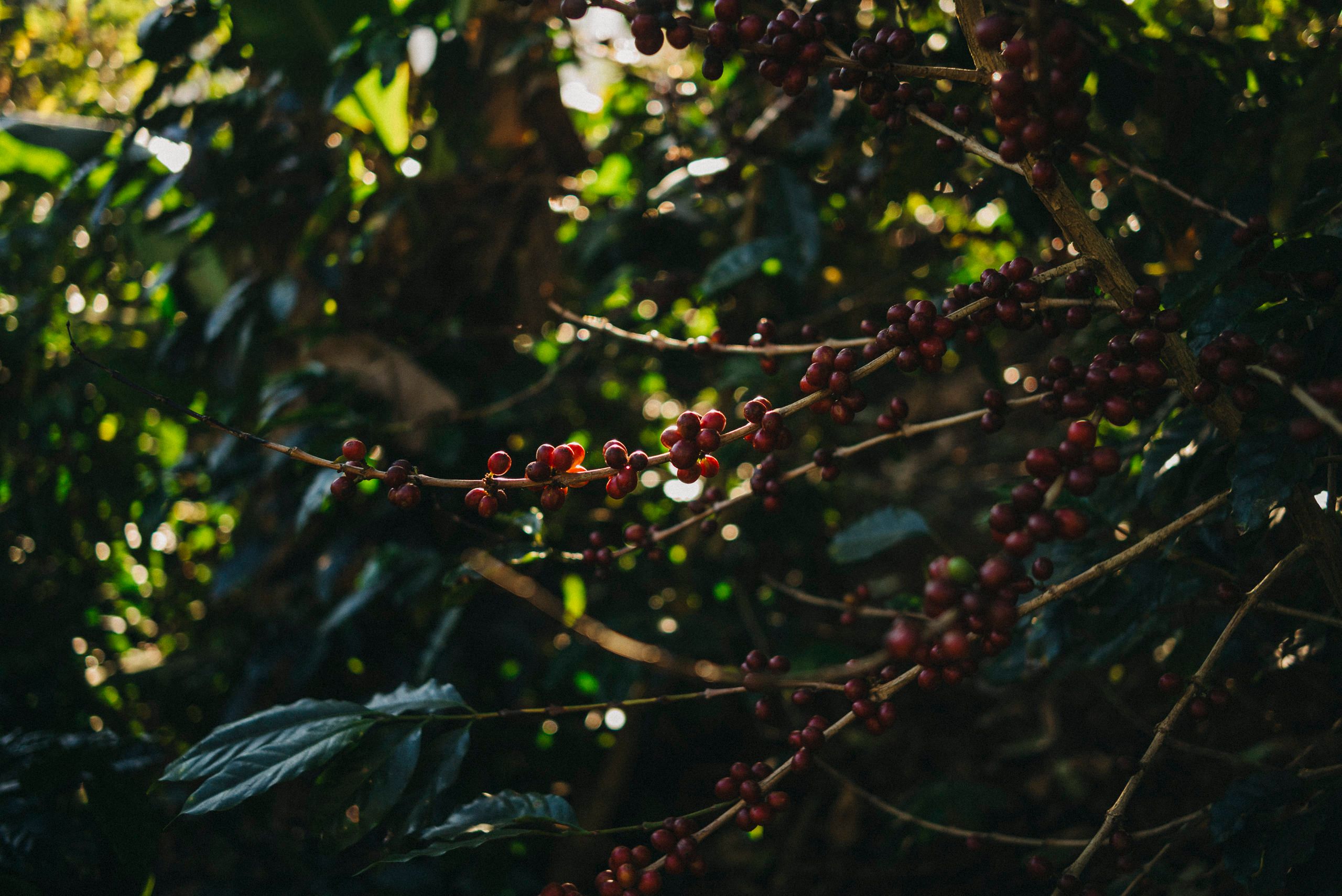
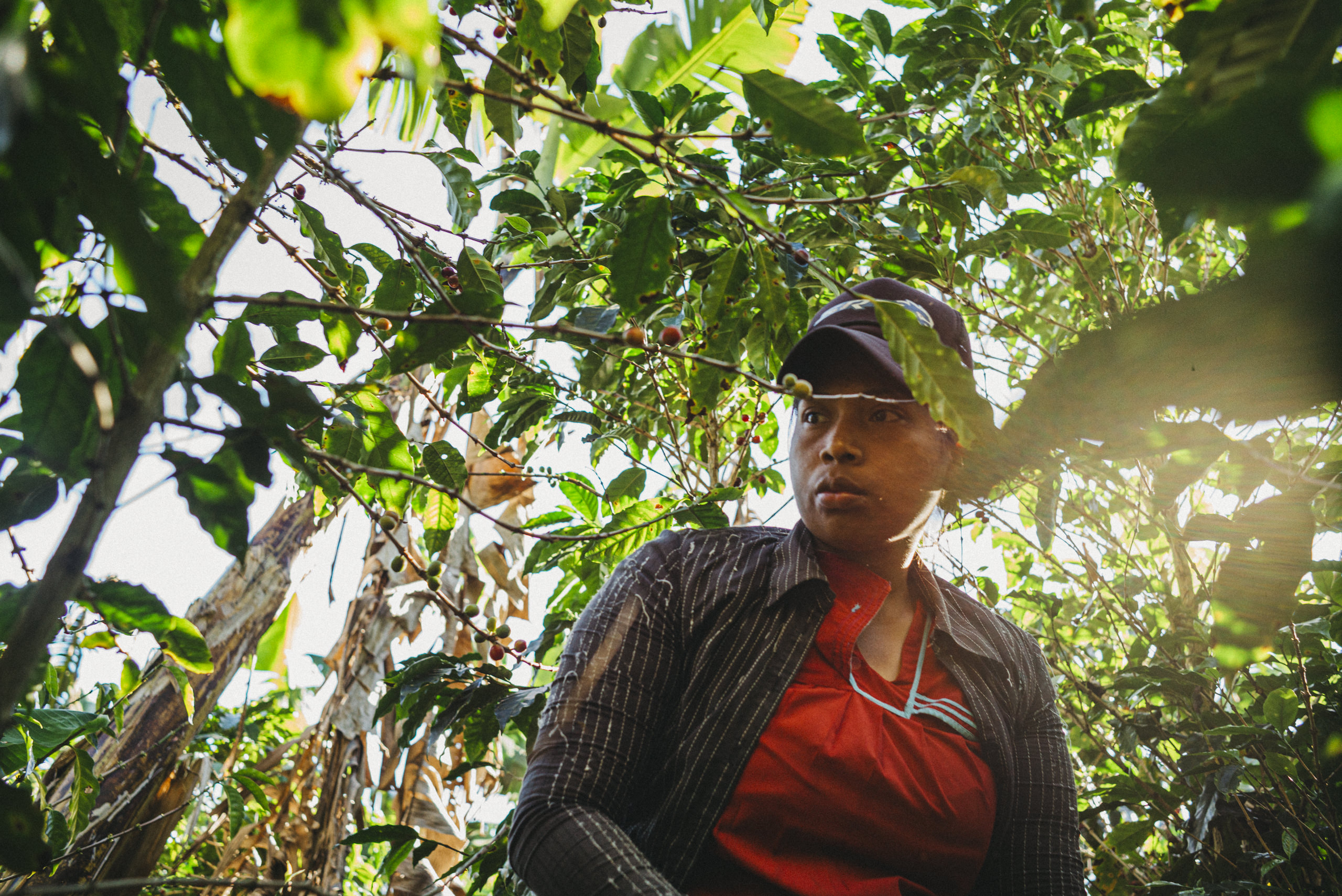
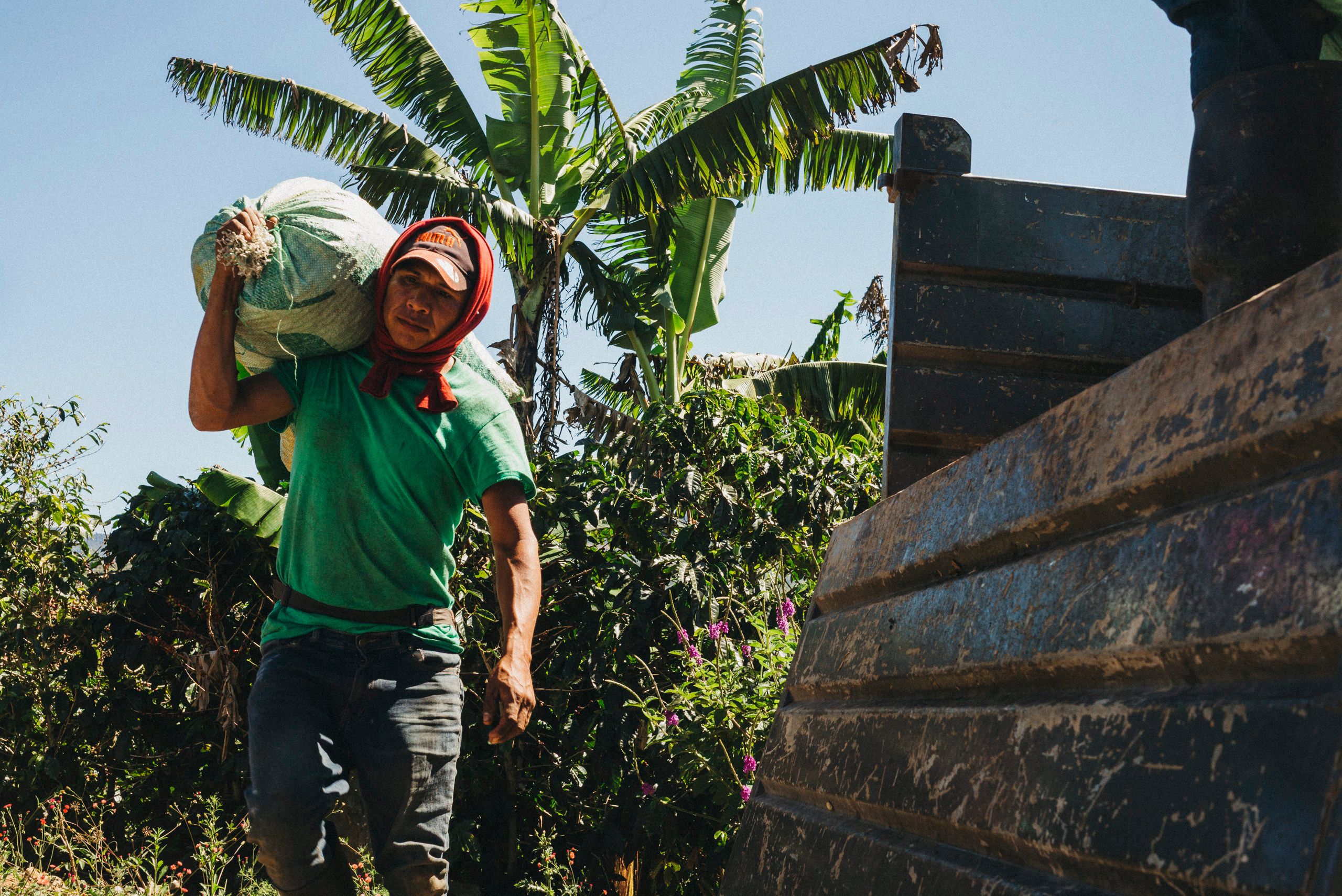
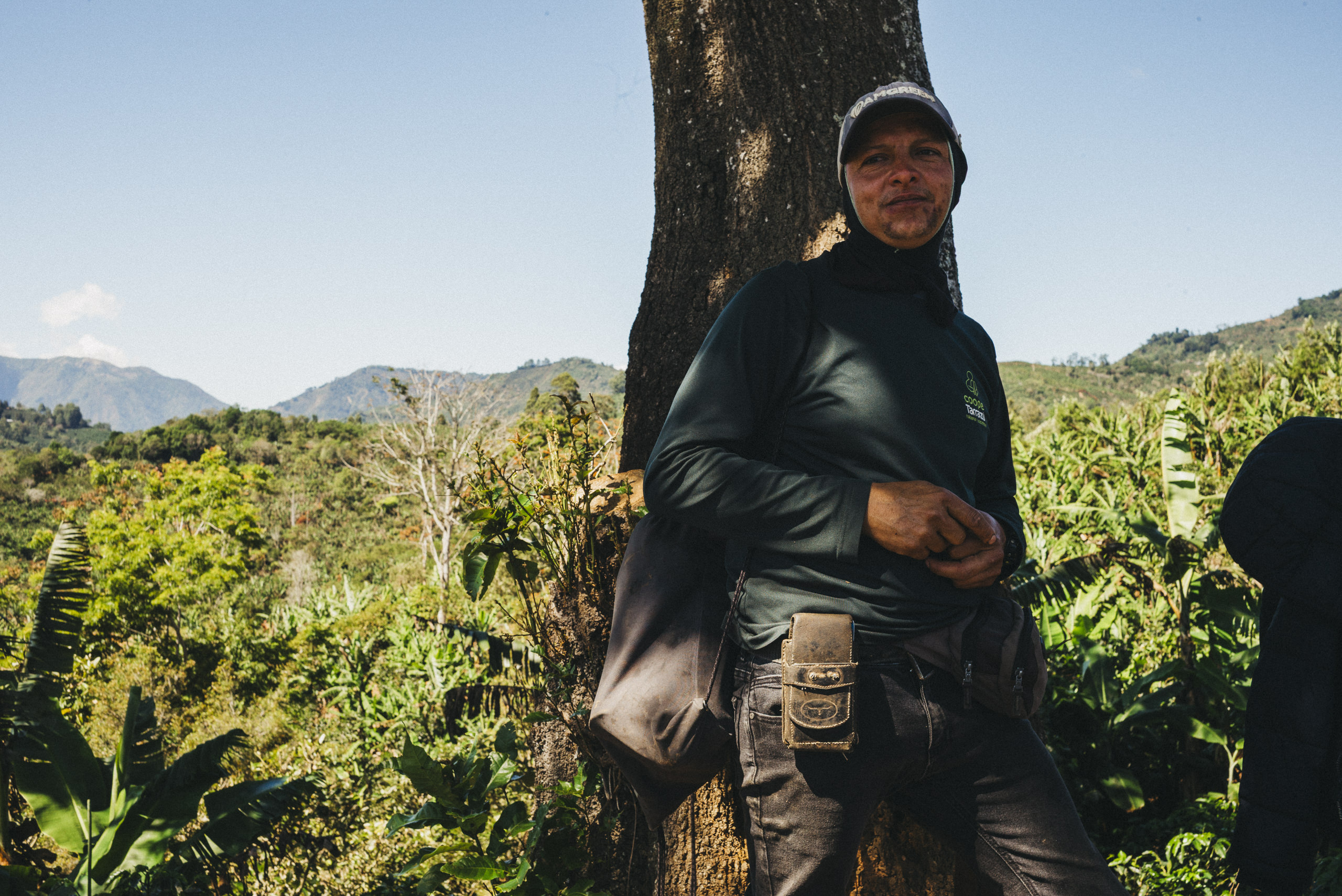
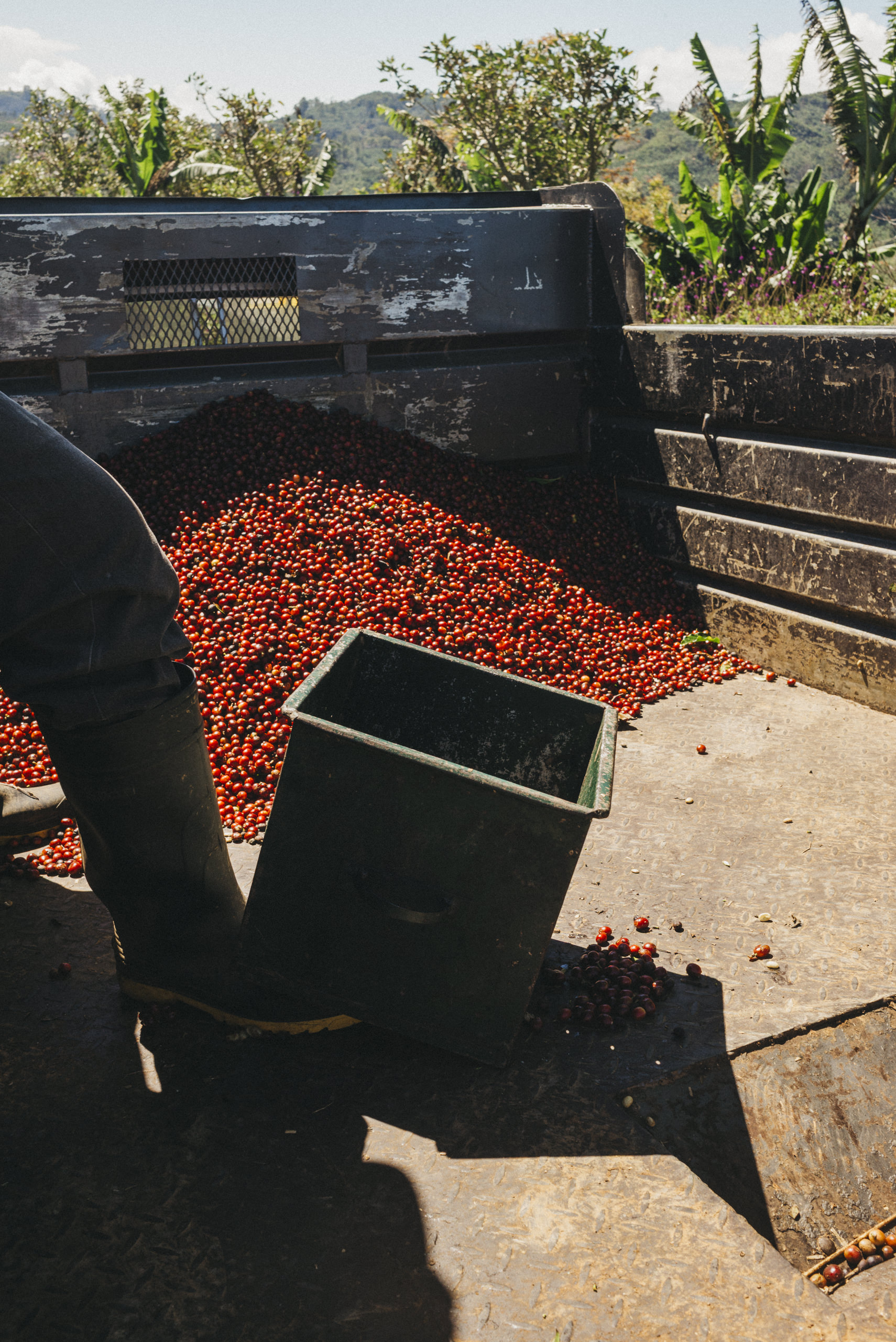
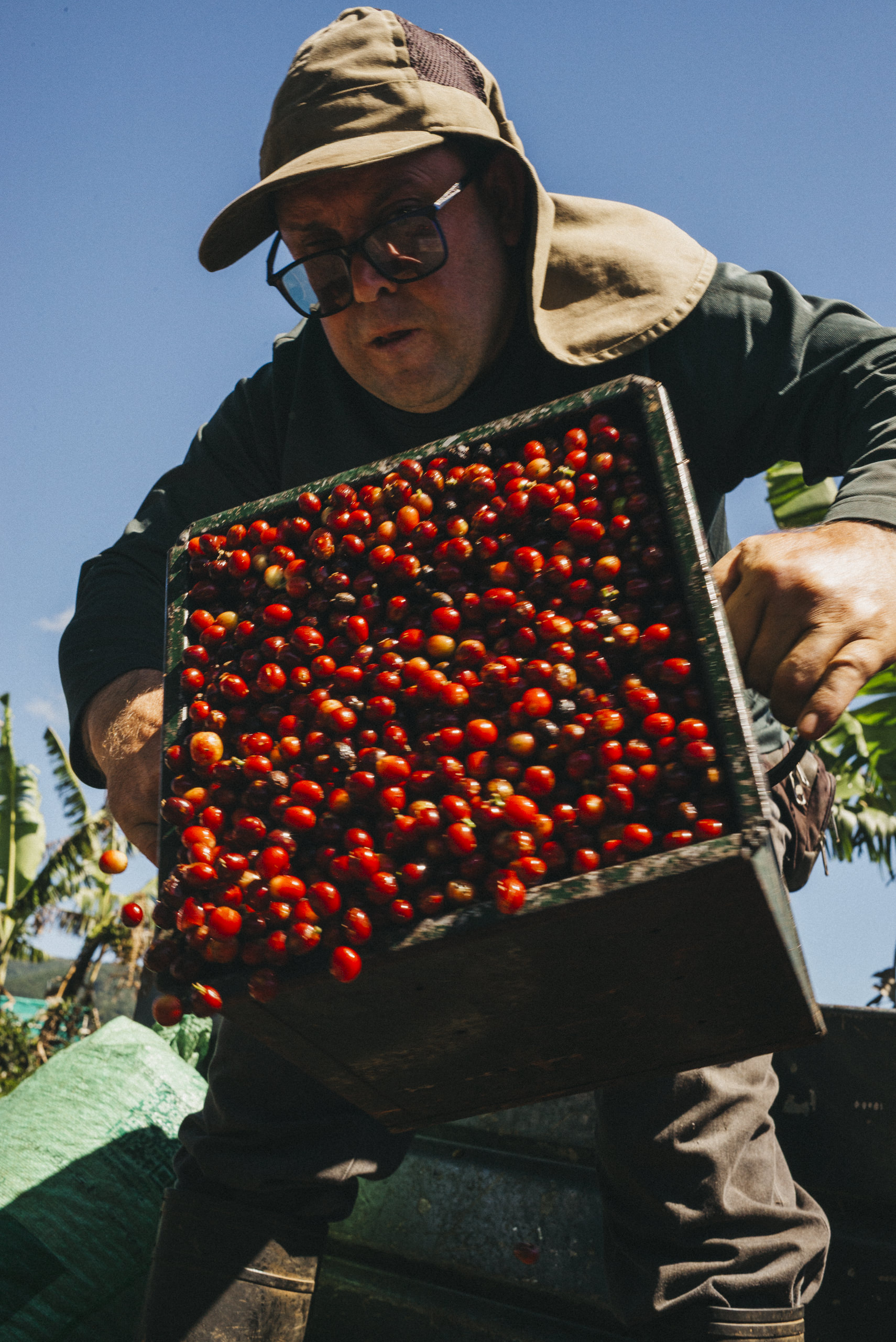
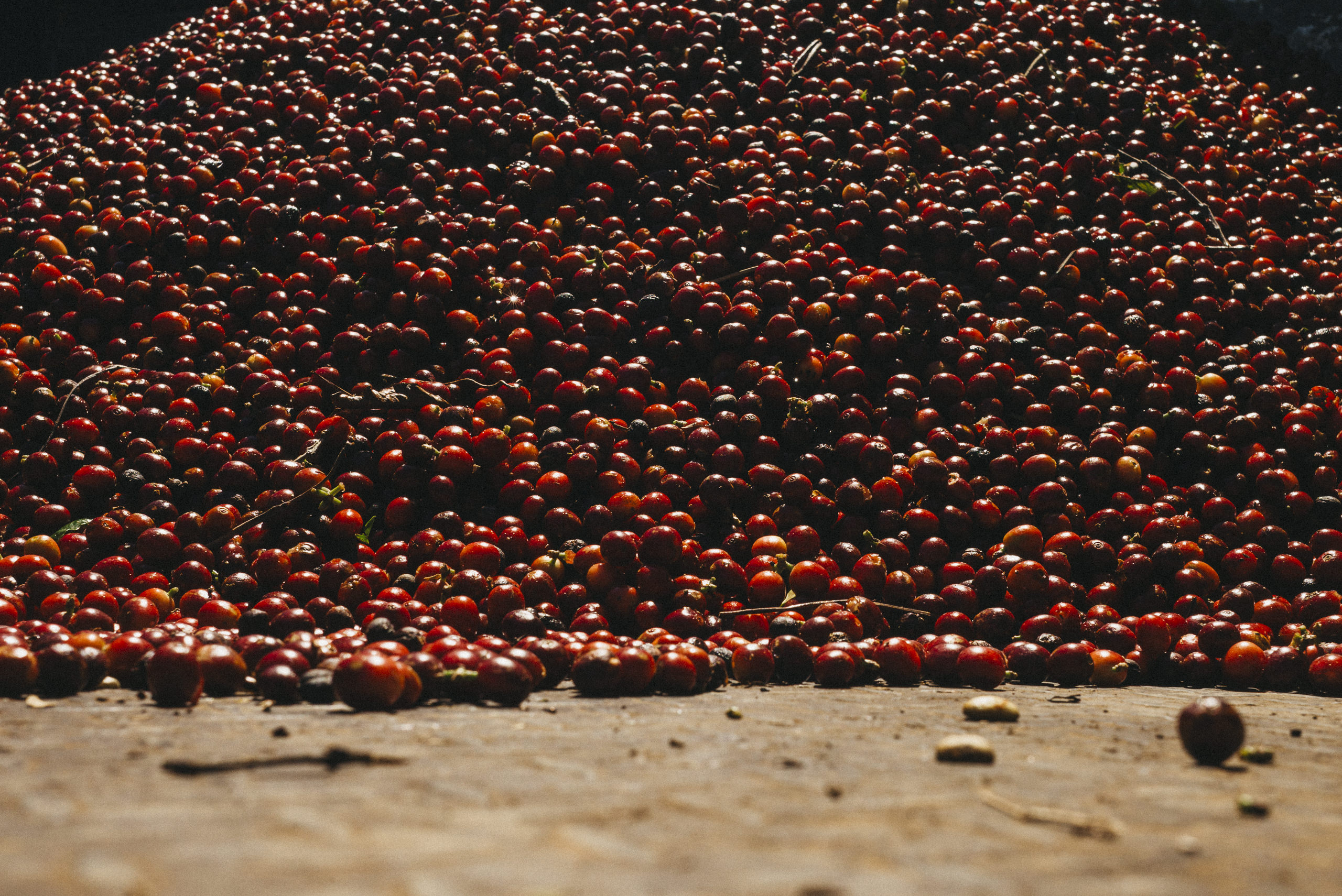
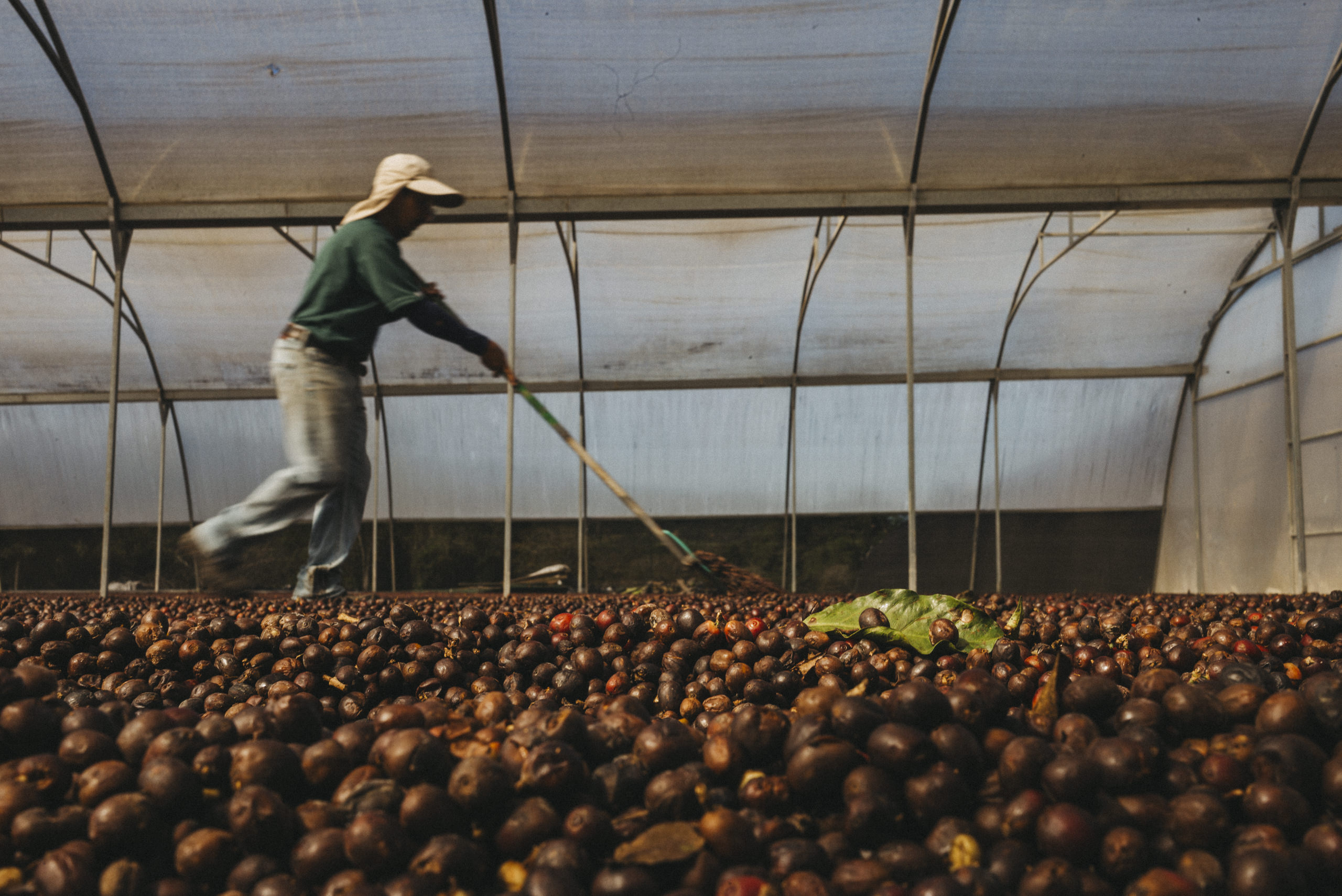
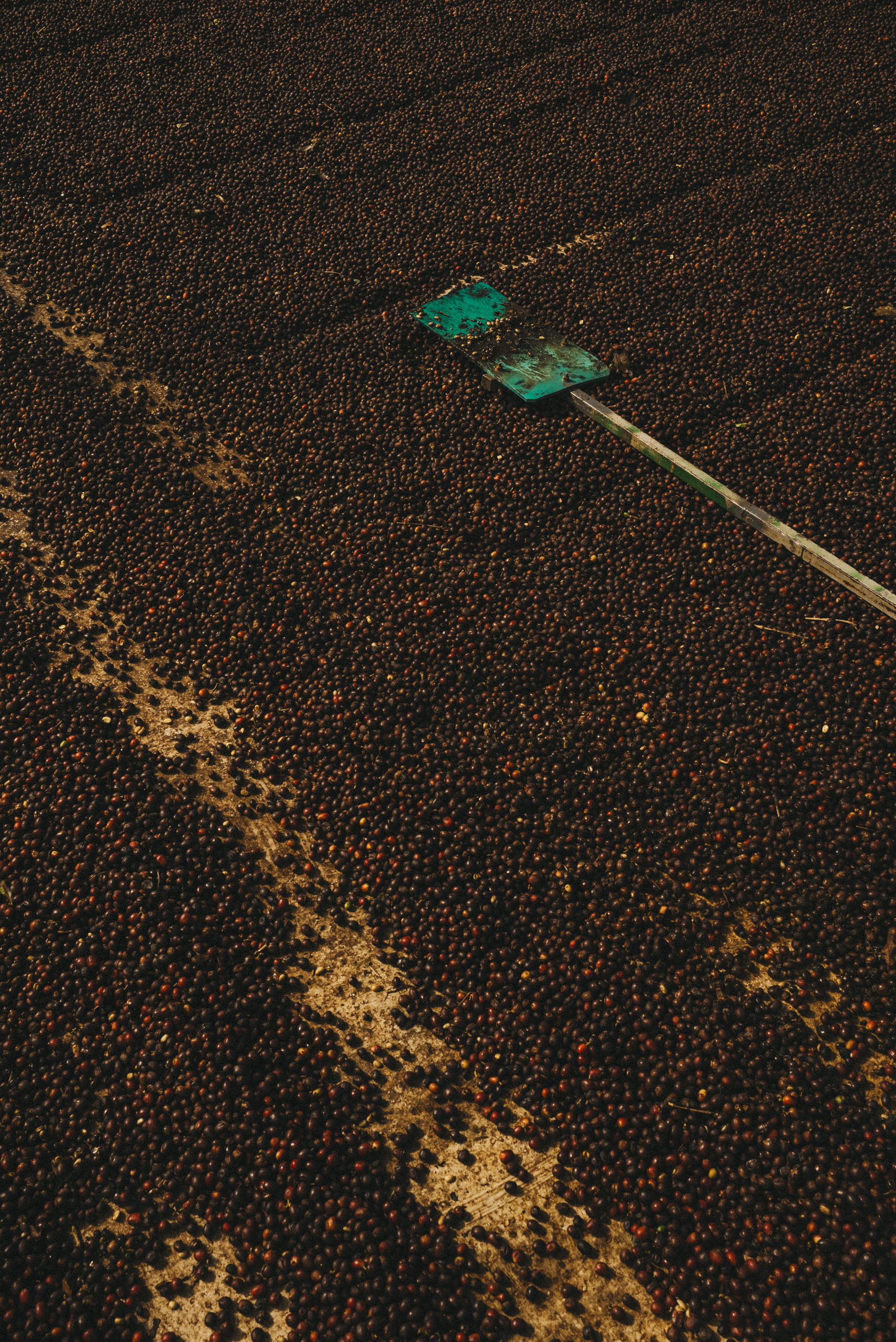
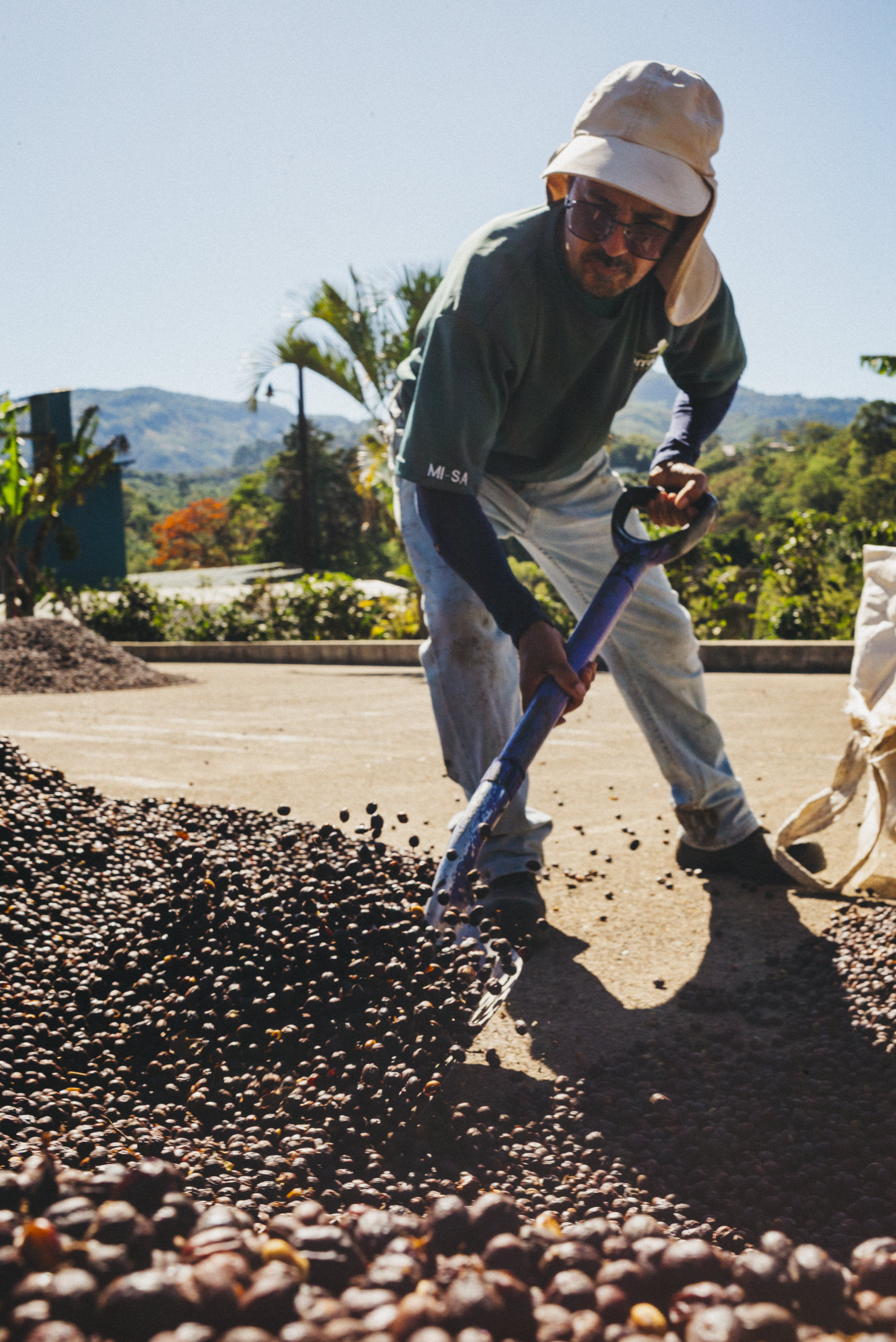
Harvest begins early. Pickers move carefully through narrow rows, selecting only ripe cherries by hand. The work is repetitive, physical, and deeply seasonal. Entire families organize their lives around the rhythm of the harvest. Behind every exported bag of green coffee is this manual precision, thousands of hands moving through branches, often in silence.
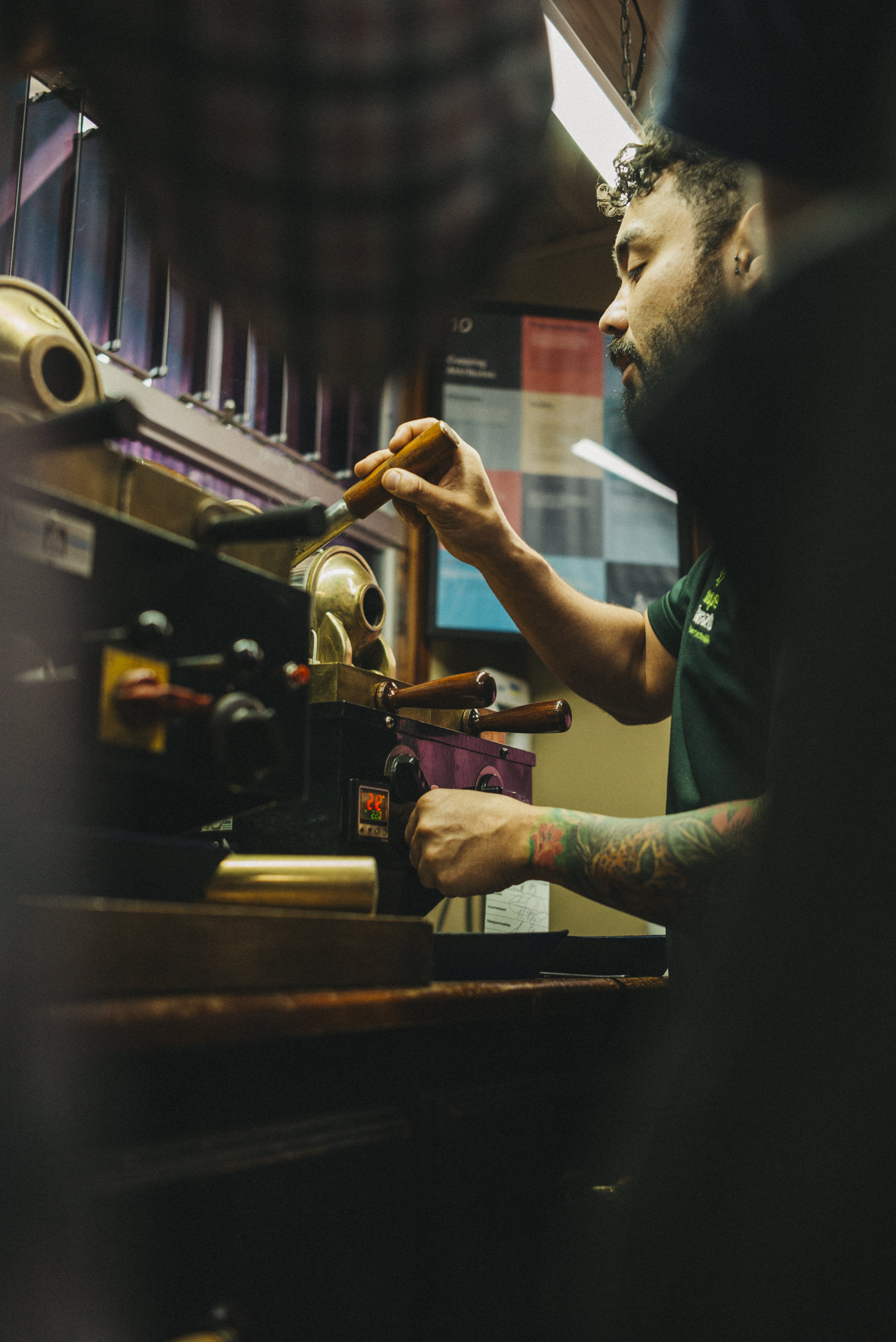
At the same time, coffee production here is evolving. Climate variability, soil health, labor realities, and international market pressure are reshaping how coffee is grown and processed. Through Coopetarrazú, agronomists and researchers are developing new approaches focused on traceability, carbon reduction, water management, and long-term sustainability. Data collection now sits alongside tradition. Innovation happens next to inherited knowledge.
This project focuses on that intersection.
Old practices still define the landscape: shade trees, steep volcanic soils, selective harvesting. But new systems, from low-emission initiatives to digital traceability platforms, are redefining what Costa Rican coffee must become in a global market that demands transparency and environmental responsibility.
What remains constant is the human presence.
The picker bent over a branch.
The truck driver waiting at the beneficio.
The technician analyzing soil samples.
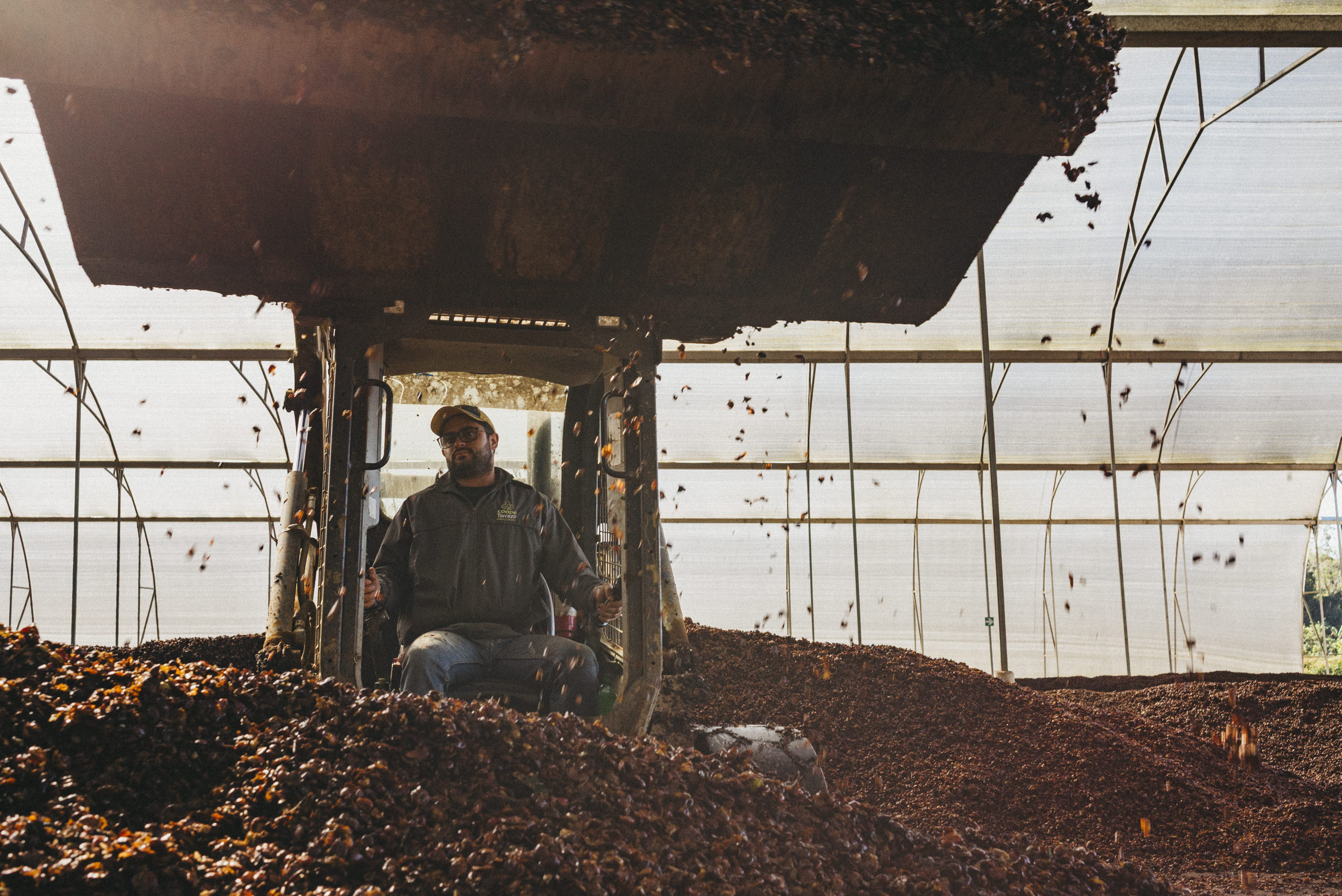
The cooperative staff coordinating logistics.
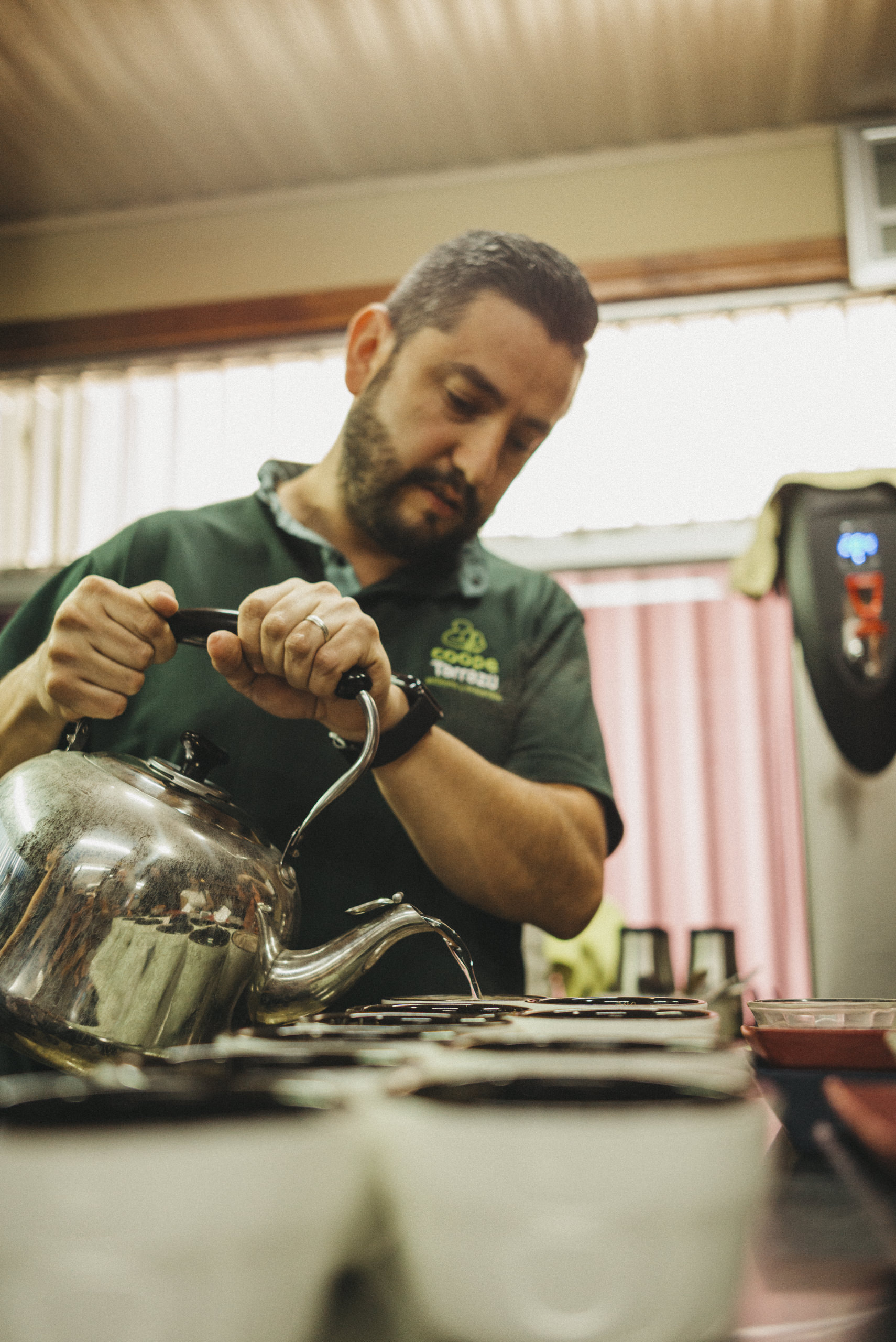
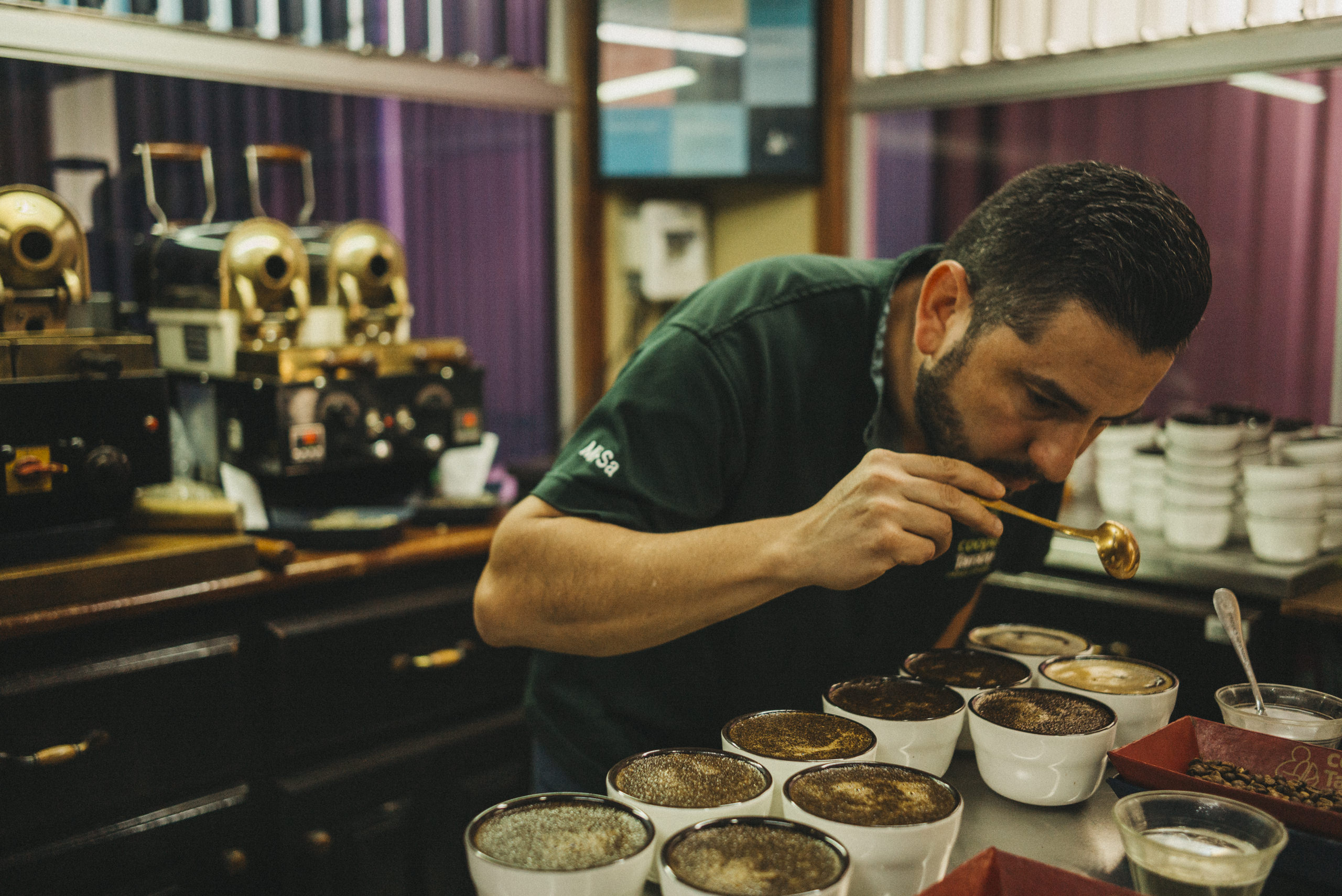
Coffee in Tarrazú is not only an export product. It is a chain of people connected by altitude, climate, economics, and tradition.
The photographs explore both the collective industry and the individual worker: the picker bent over a branch, the driver waiting at the beneficio, the technician studying soil samples, the cooperative staff coordinating logistics. Coffee here is not only an export product. It is a chain of people connected by altitude, climate, economics, and shared responsibility.



This essay is one chapter within a larger body of work. For nearly a decade, I have been documenting coffee culture and production across Costa Rica, building a long-term visual archive that examines how tradition, labor, and sustainability continue to shape one of the country’s defining industries.